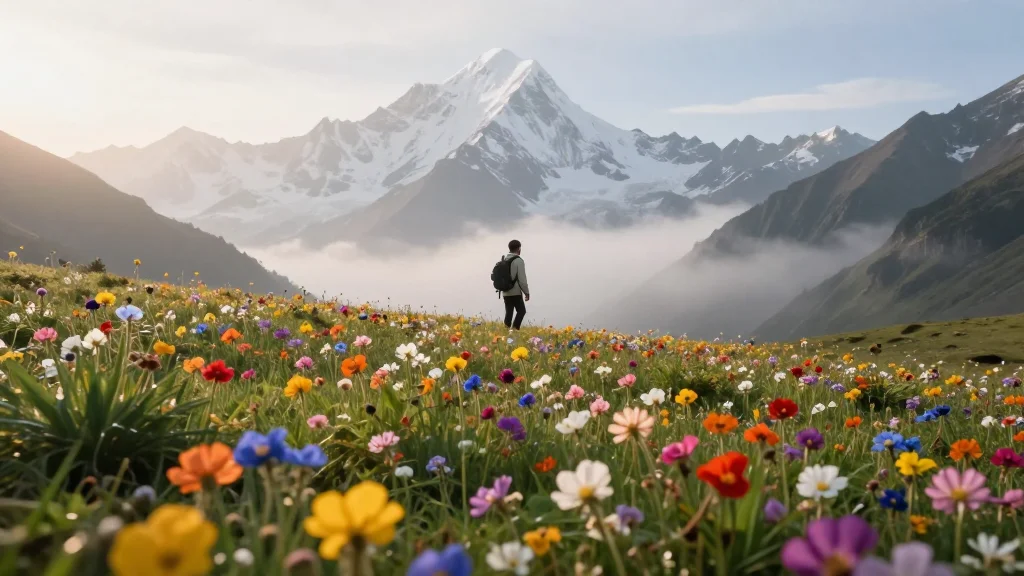
Uttarakhand’s Valley of Flowers Reopens, Welcoming International Hikers Until Oct. 31

Why It Matters
The Valley of Flowers’ reopening signals a resurgence of high‑value eco‑tourism in the Indian Himalayas, offering a template for balancing visitor access with biodiversity protection. By attracting a diverse international clientele, the site showcases how heritage destinations can generate economic growth for remote communities while reinforcing global conservation priorities. The strict guidelines and monitoring framework also provide a replicable model for other fragile alpine ecosystems facing tourism pressure. Moreover, the valley’s visibility on the world stage highlights the importance of trans‑national collaboration in preserving UNESCO sites. Researchers from multiple countries are now able to study rare plant species in situ, potentially contributing to broader scientific understanding of climate‑adapted flora and informing conservation strategies worldwide.
Key Takeaways
- •Valley of Flowers reopened May 30, 2026, open to tourists until Oct. 31
- •Home to >300 flower species, including rare and endangered varieties
- •Visitors from at least 7 countries (France, US, UK, Germany, Japan, Australia, Canada)
- •Forest Department imposes strict eco‑tourism rules: stay on trails, no plastic, limited daily visitors
- •State expects ~15 % rise in eco‑tourism revenue for the season
Pulse Analysis
The Valley of Flowers’ seasonal opening reflects a broader shift in Indian tourism policy toward high‑margin, low‑impact experiences. Historically, the site suffered from unchecked foot traffic that threatened its delicate alpine flora. By instituting a permit‑based system and capping visitor numbers, Uttarakhand is moving from a volume‑driven model to one that monetizes exclusivity and sustainability. This approach aligns with global trends where premium eco‑destinations command higher per‑visitor spend while preserving natural capital.
Economically, the influx of affluent international travelers is likely to accelerate ancillary services, from guided trekking outfits to boutique accommodations. However, the reliance on a narrow seasonal window creates revenue volatility; any climatic anomaly—such as early monsoon or late snowfall—could compress the already brief operating period. The upcoming post‑season ecological audit will be a critical data point for investors and policymakers assessing the scalability of this model.
Looking ahead, the valley could become a living laboratory for climate‑change research, given its sensitivity to temperature shifts and glacial melt. Partnerships with foreign universities and NGOs may emerge, leveraging the site’s UNESCO status to secure research funding. If the 2026 season demonstrates that strict visitor controls can coexist with robust tourism demand, other Himalayan sites—like Hemkund Sahib and Nanda Devi—may adopt similar frameworks, reshaping the region’s overall tourism architecture.
Uttarakhand’s Valley of Flowers Reopens, Welcoming International Hikers Until Oct. 31
Comments
Want to join the conversation?
Loading comments...