Why It Matters
Hosting the World Cup positions South Korea as a new hub for mountain‑bike tourism and equipment sales, accelerating industry growth and elevating the country’s outdoor‑sports profile.
Key Takeaways
- •2026 MTB World Cup set to debut in South Korea
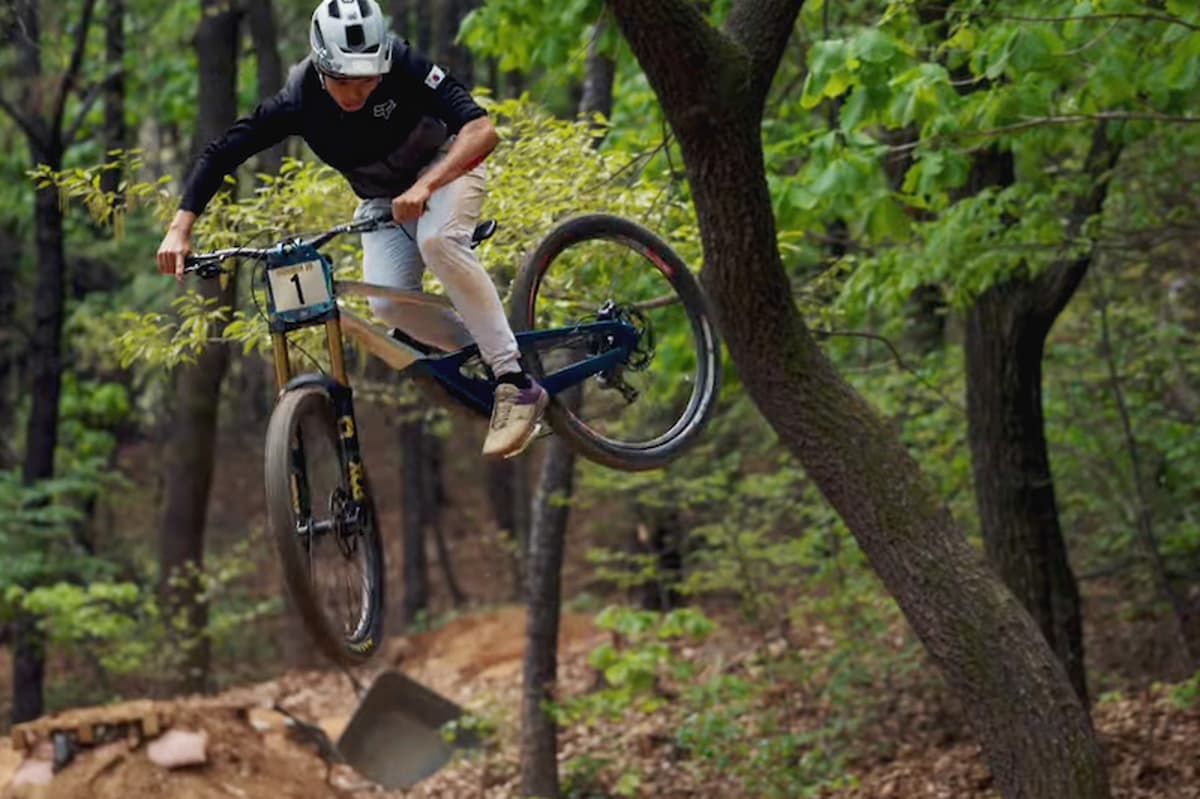
- •South Korean riders showcase rapid skill development and enthusiasm
- •Grassroots trail builders expand network of mountain bike routes
- •Gen Z cyclists increasingly adopt street‑style mountain biking
- •Local bike shops report rising sales ahead of international event
Pulse Analysis
South Korea’s entry onto the Mountain Bike World Cup calendar marks a pivotal moment for an industry traditionally dominated by Europe and North America. While the country’s MTB scene remains modest in size, it mirrors a global surge in off‑road cycling as consumers seek adventure‑focused recreation. Local clubs, such as the Seoul Trail Riders, have been mapping new singletrack routes in the nation’s rugged mountain ranges, leveraging government‑backed green‑space initiatives to legitimize the sport. This grassroots momentum aligns with the International Cycling Union’s strategy to diversify host locations, tapping into Asia’s burgeoning middle class and its appetite for premium outdoor experiences.
The economic ripple effects of the World Cup are already evident. Bike shops in Busan and Jeju report a 20‑percent uptick in sales of high‑end frames, components, and protective gear as enthusiasts gear up for the event. Hospitality venues anticipate a surge in international visitors, with the Korean Tourism Organization projecting an additional 150,000 inbound tourists during the race weekend, translating into roughly $250 million in ancillary spending. Moreover, the event spurs infrastructure investment; municipalities are allocating funds to upgrade trail networks, install signage, and improve safety measures, creating jobs for local contractors and reinforcing the sport’s long‑term viability.
Looking ahead, South Korea’s MTB community is poised for accelerated growth, driven by a tech‑savvy Gen Z cohort that blends street‑style riding with social‑media amplification. Partnerships between domestic bike manufacturers and global brands are emerging, promising co‑development of lightweight frames tailored to the country’s terrain. However, challenges remain, including the need for standardized trail maintenance and broader public awareness. If the World Cup delivers a compelling showcase, it could catalyze a virtuous cycle of investment, participation, and international recognition, cementing South Korea as a rising star in the global mountain‑bike arena.
Video: Inside South Korea's Mountain Bike Scene
Comments
Want to join the conversation?
Loading comments...