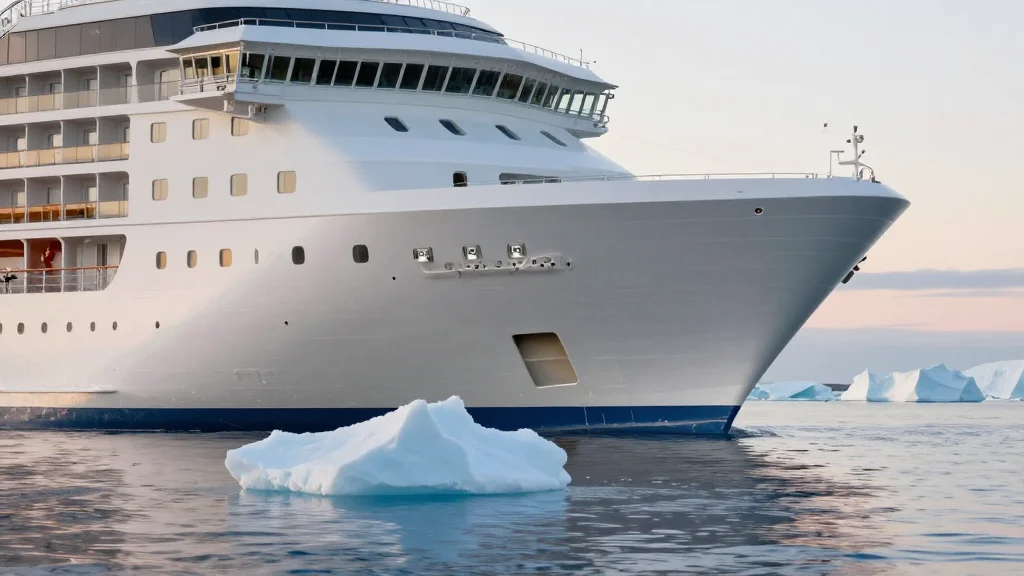
Viking Opens 2028‑29 Arctic & Antarctica Expedition Cruise Bookings, Expands Polar Fleet

Why It Matters
Viking’s 2028‑29 polar expedition rollout illustrates the accelerating demand for luxury adventure travel that blends comfort with environmental responsibility. By committing to new itineraries now, the company signals confidence in the market’s willingness to pay a premium for low‑impact experiences, potentially reshaping how cruise lines allocate capital toward purpose‑built vessels. The move also puts pressure on regulatory bodies and conservation groups to refine visitor‑management frameworks, ensuring that expanding tourism does not erode the pristine ecosystems that underpin the industry’s appeal. Furthermore, Viking’s emphasis on scientific collaboration and expanded viewing platforms may set new standards for passenger engagement, encouraging other operators to integrate education and research into their product offerings. This could deepen public awareness of climate change impacts in the polar regions, turning vacationers into informal ambassadors for conservation.
Key Takeaways
- •Viking opens bookings for 2028‑29 Arctic, Antarctica and Great Lakes expeditions.
- •Two Polar Class ships, Viking Octantis and Viking Polaris, each carry 378 guests in 189 staterooms.
- •Itineraries feature expanded indoor/outdoor viewing areas and scientific programming.
- •Launch targets a market that has grown 15% YoY in expedition‑cruise bookings.
- •Industry observers note heightened competition and calls for stricter environmental oversight.
Pulse Analysis
Viking’s early‑bird booking strategy reflects a broader shift in the expedition cruise sector toward longer planning horizons. By locking in revenue streams well before the ships set sail, Viking mitigates the financial risk associated with the high capital outlay of Polar Class vessels, which can exceed $800 million each. This approach also gives the company leeway to fine‑tune itineraries based on emerging climate data and regulatory changes, a flexibility that could become a competitive advantage as ice conditions grow more unpredictable.
Historically, expedition cruising has been a niche market dominated by a few legacy players. Viking’s entry, backed by its mainstream brand and extensive marketing reach, may democratize access to polar travel, attracting a new cohort of affluent but environmentally conscious travelers. If Viking can deliver on its sustainability promises—particularly low‑emission propulsion and waste‑reduction—its model could pressure rivals to accelerate similar investments, potentially raising the overall environmental standards of the industry.
However, the rapid expansion also amplifies the risk of overtourism in fragile regions. While Viking cites compliance with IAATO guidelines, the cumulative effect of multiple operators scaling up capacity could outpace the current regulatory framework. Stakeholders—including NGOs, local communities and governments—will likely push for more robust, enforceable caps on passenger numbers and stricter reporting mechanisms. The outcome of this tension will shape not only Viking’s brand reputation but also the long‑term viability of polar expedition cruising as a sustainable tourism segment.
Viking Opens 2028‑29 Arctic & Antarctica Expedition Cruise Bookings, Expands Polar Fleet
Comments
Want to join the conversation?
Loading comments...