Vivobarefoot Tracker AT II Review: Can Zero-Drop Boots Make You a Better Hiker?
Why It Matters
Zero‑drop footwear is reshaping how hikers balance natural biomechanics with protection, influencing product development and consumer expectations across the outdoor industry.
Key Takeaways
- •Zero-drop boots increase foot-ground feedback, improve gait awareness
- •Lightweight (13.4 oz) design enhances agility on short trails
- •Calf and arch fatigue appear after ~5 miles without conditioning
- •Waterproof membrane keeps feet dry, but offers limited winter insulation
- •Best for day hikes; not recommended for heavy alpine packs
Pulse Analysis
Zero‑drop shoes have moved from niche running circles into mainstream hiking gear, promising a more natural foot posture by eliminating heel‑to‑toe elevation. Biomechanical studies suggest that aligning the foot with the ground can engage intrinsic muscles, improve balance, and reduce knee or lower‑back strain—provided the wearer transitions slowly. The market response has been a surge of minimalist models that blend barefoot sensations with modern durability, challenging traditional boot manufacturers to rethink cushioning and support strategies.
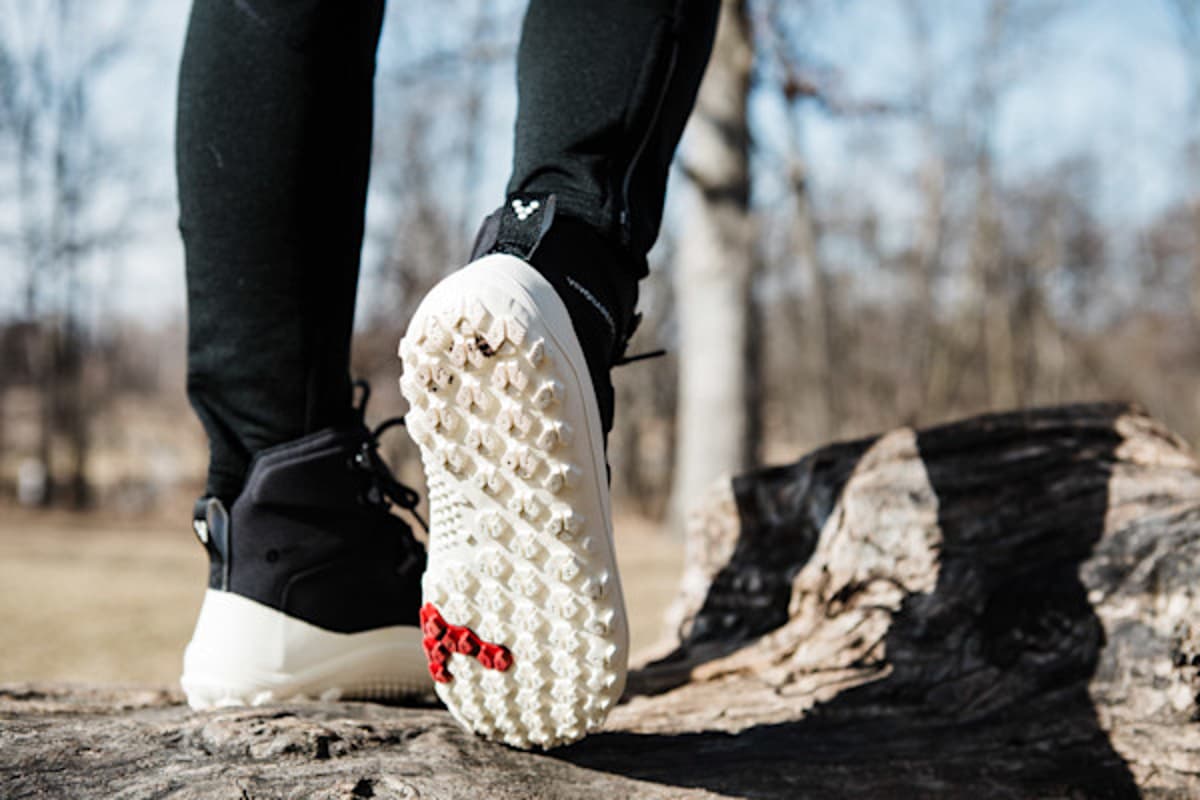
In the field, Vivobarefoot’s Tracker Textile AT II delivers on many minimalist promises. At 13.4 oz per shoe, the boot feels featherlight, and its multi‑directional lugs offer reliable traction on dry terrain. The wide toe box encourages natural toe splay, while a breathable waterproof membrane and sealed seams keep water out during stream crossings. However, the zero‑drop platform forces the calf and arch muscles to work harder; the reviewer noted noticeable fatigue after five miles, echoing Dr. Conley’s warning that strength training is essential before tackling longer distances. The removable thermal insole adds modest temperature regulation, but the shoe lacks the insulation and aggressive tread needed for deep‑snow or high‑altitude expeditions.
For hikers, the Tracker represents a compelling option for day‑long outings, trail runs, and strength‑building sessions where ground feel outweighs bulk protection. Those accustomed to traditional boots should view it as a training shoe rather than a replacement for heavy‑pack treks. Alternatives like Lems Trail Blazer, Altra Lone Peak 9+ GTX, and Merrell Wrapt Mid provide varying degrees of cushioning, waterproofing, and drop, allowing consumers to match footwear to terrain and fitness level. As the industry continues to blend minimalist philosophy with performance tech, the key takeaway for outdoor enthusiasts is to prioritize gradual adaptation and select the right shoe for the intended adventure.
Vivobarefoot Tracker AT II Review: Can Zero-Drop Boots Make You a Better Hiker?
Comments
Want to join the conversation?
Loading comments...