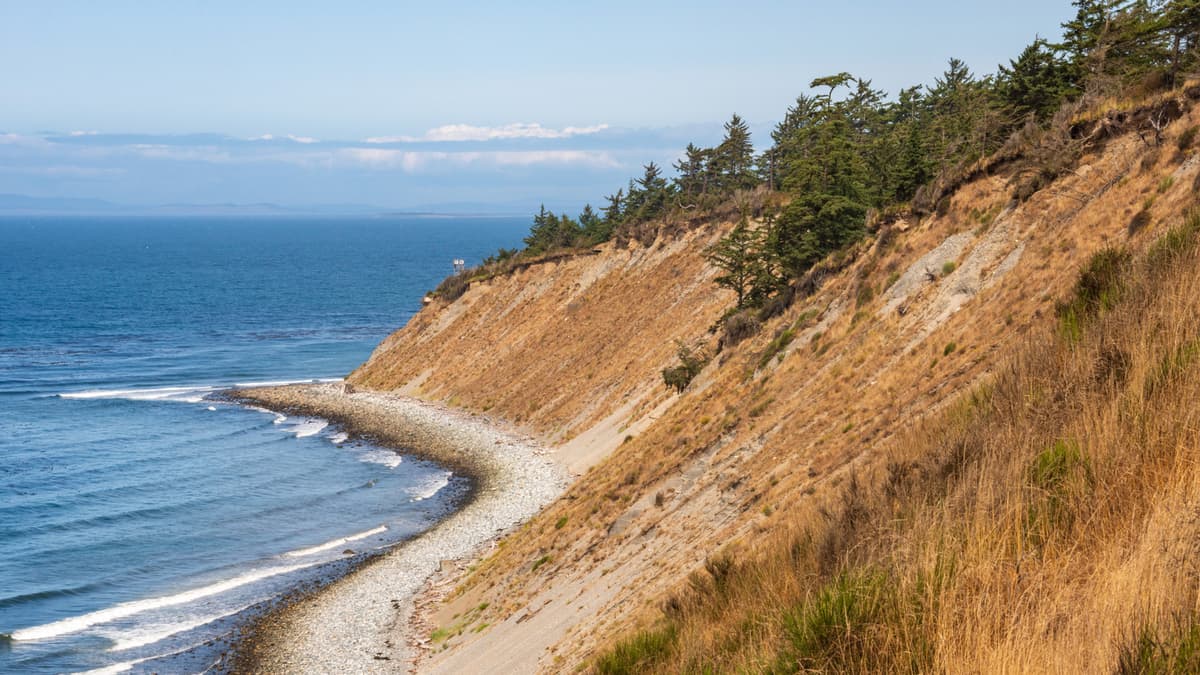
Washington's Once-Thriving Military Fort Is Now A Coastal State Park Gem With Trails, Fishing, And Beach Fun
Why It Matters
The park demonstrates how adaptive reuse of historic military land can drive regional tourism and generate economic activity while preserving cultural assets. It adds a high‑value outdoor destination to Washington’s already robust recreation economy.
Key Takeaways
- •Fort Ebey spans 651 acres on Whidbey Island, former WWII fort
- •28 miles of trails include 2.7‑mile Bluff Trail and 7.3‑mile loop
- •Campground offers 50 coastal sites, open March‑October
- •Lake Pondilla stocked with smallmouth bass for freshwater fishing
- •Paragliders launch from bluffs; seaweed harvesting allowed April‑May
Pulse Analysis
Fort Ebey’s transformation from a wartime artillery post to a state‑park centerpiece illustrates a broader trend of repurposing defense sites for public benefit. Built in the early 1940s, the fort’s Battery 248 housed twin six‑inch guns and radar equipment that guarded Puget Sound’s western approaches. After the war, the military dismantled the armaments, and the Washington Department of Natural Resources acquired the land, establishing a park that safeguards the concrete bunkers and offers a tangible link to the Pacific theater’s coastal defenses.
Today the park’s 28 miles of trails cater to a diverse audience, from casual walkers on the 2.7‑mile Bluff Trail to seasoned mountain bikers tackling the 7.3‑mile loop. The mix of shoreline, forest, and meadow ecosystems supports wildlife viewing, tide‑pool exploration, and seasonal seaweed harvesting, while Lake Pondilla provides a quiet, stocked bass fishery. With 50 campsites operating March through October, Fort Ebey draws weekenders from Seattle, Tacoma, and beyond, contributing to local hospitality revenues and reinforcing Washington’s reputation as an outdoor‑recreation powerhouse.
Economically, the park’s proximity—just a 90‑minute drive from Seattle—makes it a low‑cost, high‑value attraction that complements the state’s tourism portfolio. Visitor spending on gear rentals, food services, and nearby accommodations fuels small‑business growth on Whidbey and Camano Islands. Moreover, the site’s historic interpretation programs educate the public about mid‑century coastal defense strategies, enhancing cultural tourism. As climate‑resilient recreation gains traction, Fort Ebey’s blend of heritage and nature positions it for sustained popularity and potential investment in trail upgrades and sustainable camping infrastructure.
Washington's Once-Thriving Military Fort Is Now A Coastal State Park Gem With Trails, Fishing, And Beach Fun
Comments
Want to join the conversation?
Loading comments...