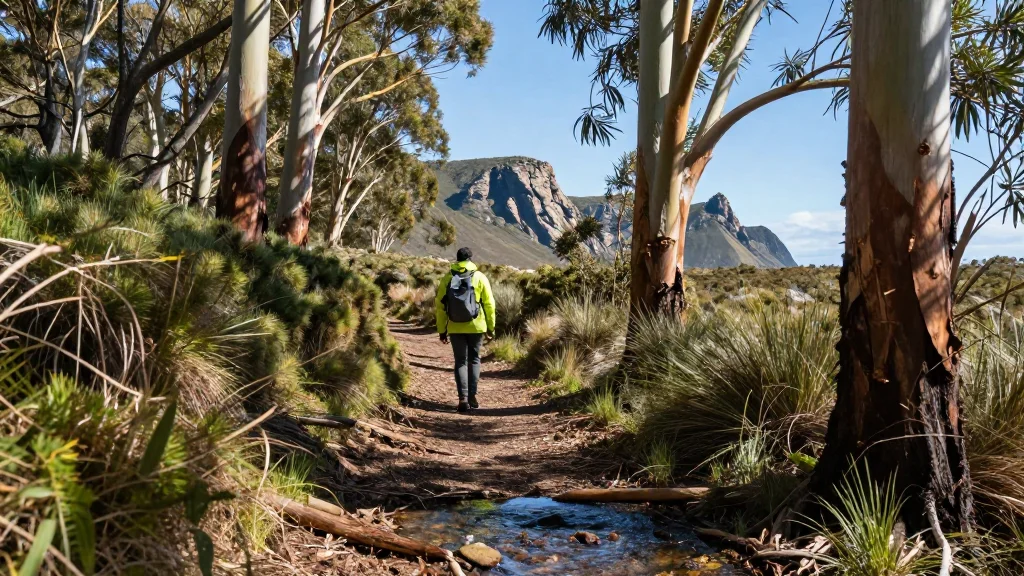
Wayyln Turner, Daniel Masion - Wilsons Promontory - Northern Circuit - 2026-05-02
Key Takeaways
- •Completed 17.2 km circuit in 13h 25m 42s.
- •Overgrown trail required extensive bush‑bashing, head‑height shrubs.
- •Only water source: Lower Barry Creek after 11 hours.
- •Dry conditions left Chinaman Swamp completely dry.
- •Wayyln suffered bee sting, affecting pace.
Pulse Analysis
The Wilsons Promontory Northern Circuit has become a benchmark for endurance athletes seeking to set Fastest Known Times (FKTs). Turner and Masion’s 13‑hour‑plus finish demonstrates not only personal stamina but also the evolving nature of the trail itself. Compared with their 2023 attempt, the route now demands significantly more navigation and physical effort, as dense, head‑height vegetation replaces previously clear passages. This shift illustrates how even well‑documented trails can change dramatically over a few years, compelling athletes to adapt their strategies and equipment.
Environmental conditions played a decisive role in the 2026 attempt. A prolonged dry spell left Chinaman Swamp completely arid and reduced Miranda Creek to a narrow 1.5‑meter flow, while Lower Barry Creek remained the sole reliable water source after more than 11 hours on the trail. Such scarcity amplifies the logistical challenges of ultra‑distance events, where hydration planning is critical. The overgrowth, driven by a combination of favorable growth cycles and limited fire management, signals broader climate‑related trends that are reshaping bushland ecosystems across southeastern Australia.
For the ultra‑trail community and race organizers, this case study highlights the need for dynamic route monitoring and flexible support plans. Athletes must factor in potential vegetation density, water availability, and wildlife encounters—such as the bee sting that briefly impeded Turner’s pace—when preparing for record attempts. Event planners may consider pre‑season trail clearing, additional water caches, or real‑time GPS updates to mitigate risks. As climate variability intensifies, proactive adaptation will become essential to preserve both athlete safety and the integrity of iconic routes like Wilsons Promontory.
Wayyln Turner, Daniel Masion - Wilsons Promontory - Northern Circuit - 2026-05-02
Comments
Want to join the conversation?