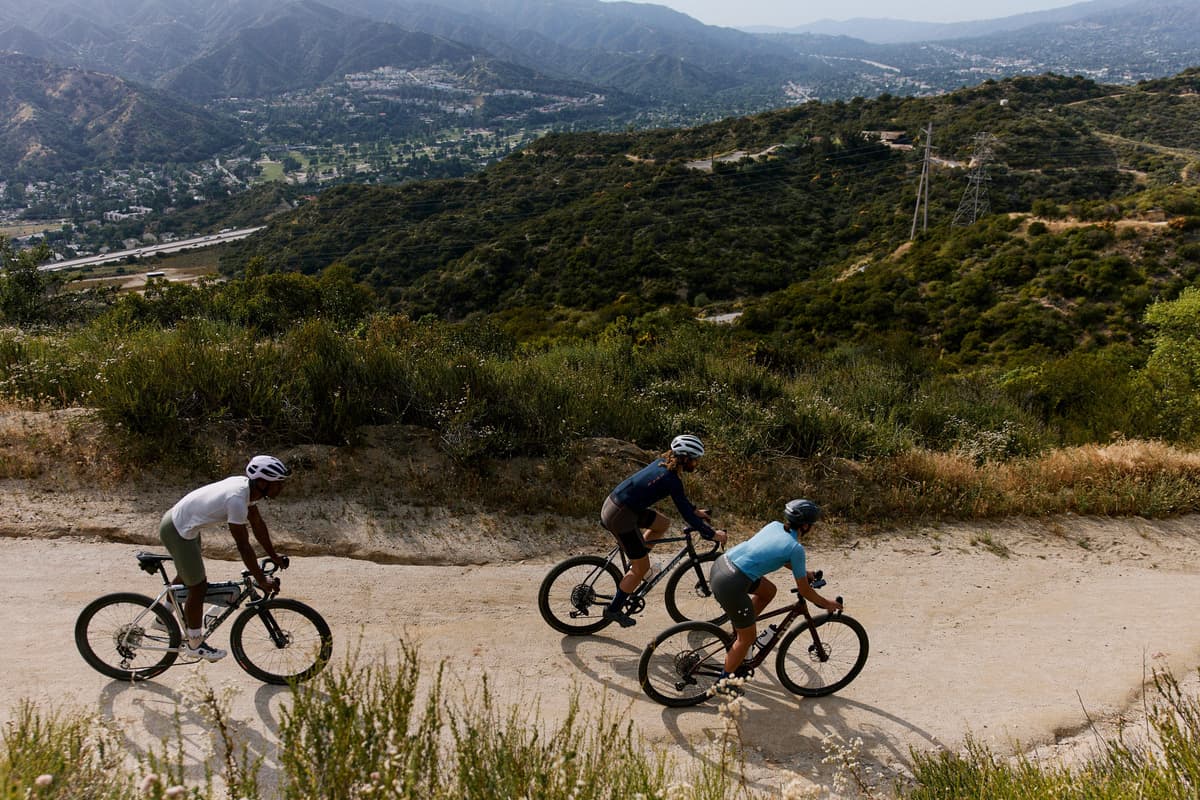
We Test Dozens of Gravel Bikes Each Year—These 12 Are the Ones Our Editors Keep Recommending
Companies Mentioned
Why It Matters
The guide helps consumers cut through a crowded market, ensuring they invest in a bike that matches terrain, performance goals, and budget, while emphasizing tire clearance as the key spec for gravel performance.
Key Takeaways
- •Gravel bike market exploded, with hundreds of models released in a decade
- •Canyon Grizl CF 6 tops editors' list for overall performance and versatility
- •Trek Checkpoint ALR offers best value with upgrade‑friendly aluminum frame
- •State All‑Road Carbon V2 provides carbon option under $2,500, 2.2‑in clearance
- •Tire clearance (50‑57 mm) is the primary factor when choosing a gravel bike
Pulse Analysis
The past decade has seen gravel riding transition from niche adventure to mainstream pursuit, driven by a blend of fitness trends, pandemic‑era outdoor enthusiasm, and the appeal of mixed‑terrain exploration. Bike manufacturers responded with a flood of models, each promising a balance of speed, comfort, and durability on unpaved surfaces. This surge has intensified competition, pushing brands to innovate on frame geometry, carbon integration, and component compatibility, while also expanding the price spectrum to accommodate both casual commuters and race‑focused enthusiasts.
Bicycling’s editorial testing isolates the most compelling offerings across three core categories: performance‑oriented carbon racers, versatile aluminum all‑rounders, and budget‑centric options that still deliver essential gravel capabilities. The Canyon Grizl CF 6 earns top honors for its blend of lightweight carbon construction, 56 mm tire clearance, and a 12‑speed SRAM Apex XPLR drivetrain that handles steep climbs and long descents with ease. Meanwhile, the Trek Checkpoint ALR stands out for its upgrade‑friendly design—standard mounts, non‑proprietary components, and a price point that leaves room for higher‑capacity tires and accessories. For riders seeking carbon performance without breaking the bank, State’s All‑Road Carbon V2 offers a sub‑$2,500 package with 2.2‑inch clearance and internal storage, illustrating how manufacturers are democratizing high‑end tech.
For prospective buyers, the most critical decision factor remains tire clearance; a bike that accommodates 50‑57 mm tires provides the flexibility to tailor grip, rolling resistance, and comfort to specific routes. Beyond clearance, consider the availability of mounts for racks, fenders, and bottle cages if you plan bikepacking or commuting. As the gravel segment matures, we can expect further integration of disc‑brake refinements, wider drivetrain ranges, and more sustainable carbon fiber options, reinforcing the market’s momentum and giving riders a richer palette of choices than ever before.
We Test Dozens of Gravel Bikes Each Year—These 12 Are the Ones Our Editors Keep Recommending
Comments
Want to join the conversation?
Loading comments...