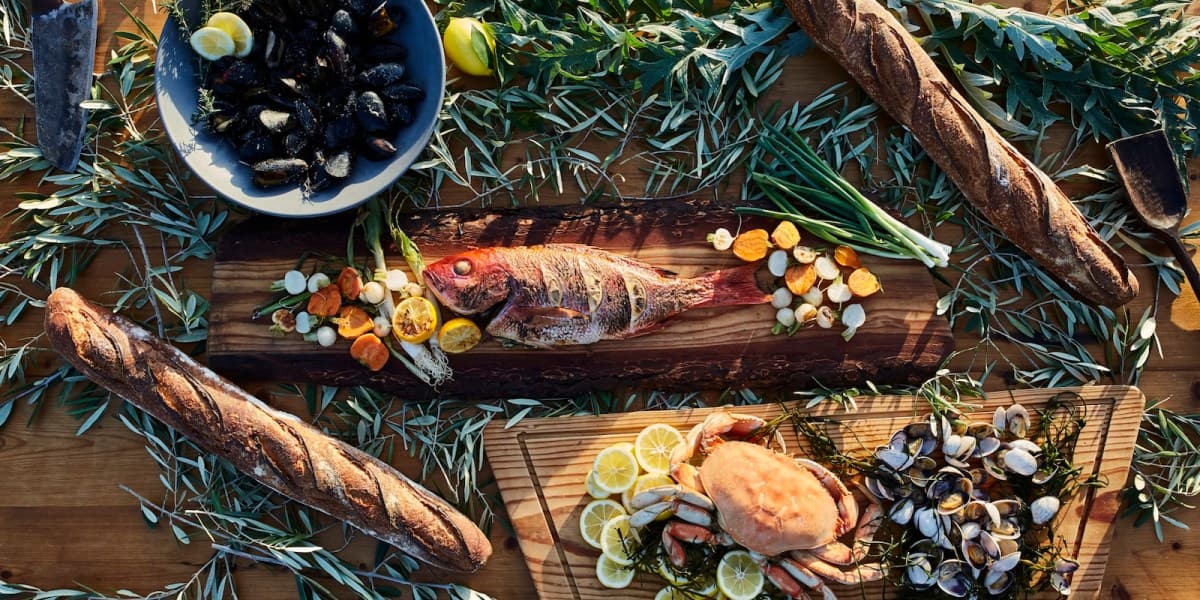
What a Foraging Expert Wants You to Know About Finding (and Eating) Wild Foods This Spring
•March 11, 2026
0
Why It Matters
The surge in spring foraging offers new revenue streams for eco‑tourism and expands local, sustainable food sources, while proper education mitigates health risks and environmental impact.
Key Takeaways
- •Spring surge yields abundant edible mushrooms, greens, and seaweed.
- •Guided foraging ensures safety, legal compliance, and skill acquisition.
- •Ethical practices include leaving third of seaweed, respecting protected areas.
- •Apps like iNaturalist aid identification but not sole reliance.
- •Weather patterns directly affect mushroom and shellfish availability.
Pulse Analysis
The mild, rain‑laden winter across Northern California has created ideal conditions for a spring foraging boom along the Pacific coast. Increased precipitation and longer daylight accelerate the growth of mushrooms, wild greens, and intertidal algae, turning ordinary trails into seasonal supermarkets. For culinary entrepreneurs and local restaurants, this natural harvest reduces reliance on imported produce and opens niche menu opportunities centered on hyper‑local ingredients. At the same time, eco‑tour operators see higher demand for guided outings, turning foraging into a measurable component of regional outdoor recreation revenue.
Safety remains the primary barrier for newcomers, especially after recent toxic mushroom incidents in the state. Expert guides like Maria Finn provide rapid knowledge transfer, teaching participants how to differentiate edible boletes from deadly amanitas, respect marine protected areas, and harvest seaweed sustainably by leaving a third of the blade. Digital tools such as iNaturalist and Seek complement field instruction but should never replace expert verification. Proper licensing, adherence to local ordinances, and low‑impact harvesting practices protect both public health and fragile ecosystems.
Looking ahead, climate variability will continue to dictate the timing and abundance of wild foods, making real‑time monitoring essential for foragers and businesses alike. As consumers gravitate toward transparent, locally sourced diets, the market for prepared wild‑food products—fermented sodas, pickled greens, and mushroom‑infused oils—is poised to expand. Investing in education programs, sustainable harvesting guidelines, and partnerships with mycological societies can solidify foraging’s role in the regional food system while safeguarding biodiversity for future seasons.
What a Foraging Expert Wants You to Know About Finding (and Eating) Wild Foods This Spring
0
Comments
Want to join the conversation?
Loading comments...