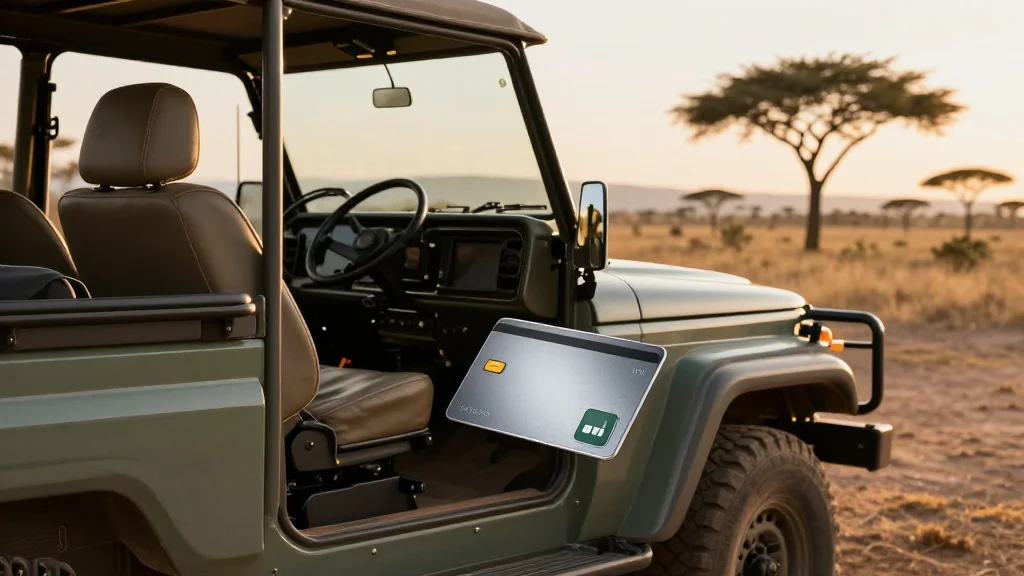
What to Expect on a Kenya Safari: Masai Mara, Big Five, and Beyond
Why It Matters
The guide equips travelers with practical timing, wildlife, and logistics insights, helping them maximize wildlife encounters and choose experiences that fit budget and comfort, thereby driving higher-value tourism to Kenya’s conservation areas.
Key Takeaways
- •Dry season July‑Oct offers highest Great Migration sightings
- •Masai Mara hosts dense lion populations; Amboseli features elephants with Kilimanjaro backdrop
- •Private conservancies provide night drives and walking safaris unavailable in parks
- •Accommodation ranges from luxury tents to budget camps, all offering wildlife access
- •Road transfers take 5‑6 hrs; bush flights cut travel to 45 minutes
Pulse Analysis
Timing is the cornerstone of a successful Kenya safari. While the dry months from July through October align with the peak of the Great Migration, the shoulder months of January and February also deliver rewarding wildlife action, especially during the calving season that draws predators to the southern Masai Mara. Travelers seeking the iconic Big 5 will find lion densities unrivaled in the Mara, while Amboseli offers unforgettable elephant encounters against the backdrop of snow‑capped Kilimanjaro. For those craving rarer species, Samburu’s “Special Five” and Ol Pejeta’s black‑rhino sanctuary broaden the continent’s biodiversity showcase.
Accommodations cater to a spectrum of preferences, from opulent tented camps with en‑suite facilities and private game drives to modest camps that still deliver front‑row wildlife views. Luxury lodges often sit within private conservancies, granting exclusive access to night drives, spotlighting nocturnal predators, and guided walking safaris—experiences prohibited in national parks. Mid‑range properties strike a balance, offering comfortable bush immersion without the premium price tag, while budget camps provide an authentic, communal atmosphere that appeals to solo adventurers and cost‑conscious travelers alike.
Logistical choices shape the overall itinerary and budget. The conventional 5‑6‑hour road transfer from Nairobi traverses the dramatic Great Rift Valley, offering scenic vistas for early‑day travelers. Conversely, bush flights shave travel time to under an hour, enabling multi‑park itineraries and appealing to high‑end clientele seeking efficiency. These transport options, combined with the country’s well‑established park infrastructure, fuel Kenya’s reputation as a premier safari destination, sustaining tourism revenue that underpins conservation efforts and local economies.
What to Expect on a Kenya Safari: Masai Mara, Big Five, and Beyond
Comments
Want to join the conversation?
Loading comments...