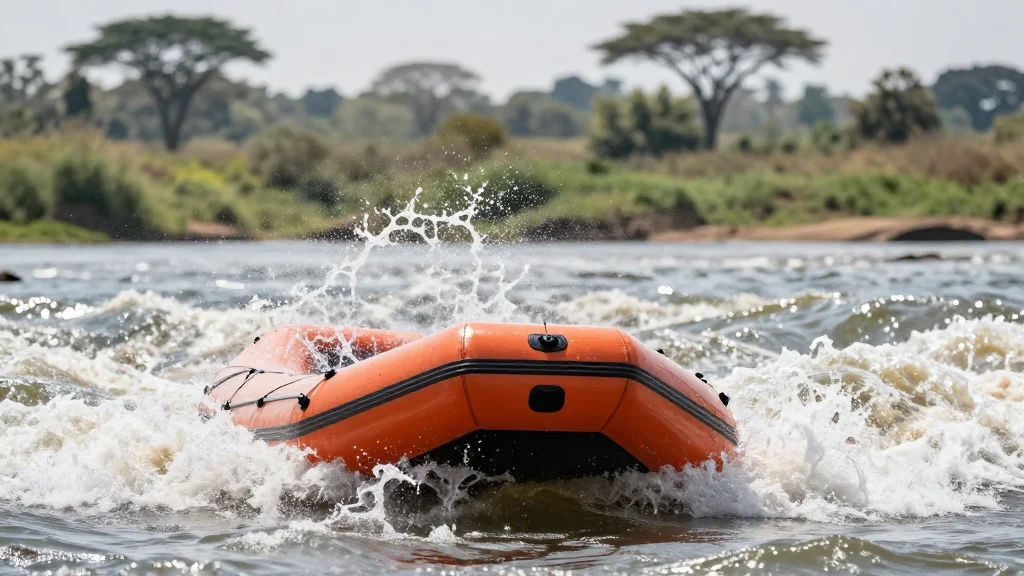
World Rafting Cup and African Championships Head to Kenya's Tana River in July

Why It Matters
Hosting the World Rafting Cup alongside the African Championships elevates Kenya’s status on the global outdoor‑sport stage and provides a platform for African athletes to compete against the world’s best without traveling abroad. The event also serves as a catalyst for regional economic development, spurring investment in river‑based tourism infrastructure and creating jobs in hospitality, guiding, and safety services. Moreover, the visibility of the Tana River’s challenging rapids may inspire other African nations to develop competitive white‑water venues, diversifying the continent’s adventure‑tourism portfolio. The tournament’s media coverage and live‑streaming component will broadcast African landscapes to a worldwide audience, potentially attracting future adventure‑tourism visitors and sponsors. By integrating elite sport with local culture and eco‑tourism, the event could set a template for sustainable outdoor‑event hosting across emerging markets.
Key Takeaways
- •World Rafting Cup and African Championships scheduled for July 6‑13, 2026 in Sagana, Kenya
- •Competitions will take place on the Tana River’s Grade III‑IV rapids
- •Event combines international World Cup athletes with African continental champions
- •Organizers expect thousands of adventure tourists and significant local economic impact
- •Live streaming planned to reach a global paddling audience
Pulse Analysis
The decision to pair the World Rafting Cup with the African Championships is a calculated move to leverage economies of scale while amplifying Africa’s presence in elite outdoor sports. Historically, World Cup stops have been concentrated in Europe and North America, where infrastructure and sponsor networks are mature. By shifting a marquee event to Kenya, World Rafting not only taps into a new market but also forces a re‑evaluation of where high‑performance white‑water venues can thrive. The Tana River’s technical grade offers a comparable challenge to classic European runs, proving that world‑class conditions exist outside traditional strongholds.
From a commercial perspective, the dual‑event format offers sponsors a broader narrative: a global brand can associate with both the pinnacle of the sport and the development of African talent. This could attract multinational outdoor‑gear companies seeking to diversify their market reach. Additionally, the influx of athletes and spectators will likely accelerate Sagana’s tourism infrastructure, creating a virtuous cycle where improved facilities attract more events, further boosting the local economy.
Looking ahead, the success of this week‑long showcase could inspire other governing bodies—such as the International Mountain Biking Union or the World Trail Running Association—to consider similar joint‑host models in emerging regions. If the Kenyan event delivers on its promise of high‑quality competition, media exposure, and economic benefit, it may become a blueprint for expanding the global outdoor‑sport calendar into untapped territories, reshaping the geography of adventure tourism for the next decade.
World Rafting Cup and African Championships Head to Kenya's Tana River in July
Comments
Want to join the conversation?
Loading comments...