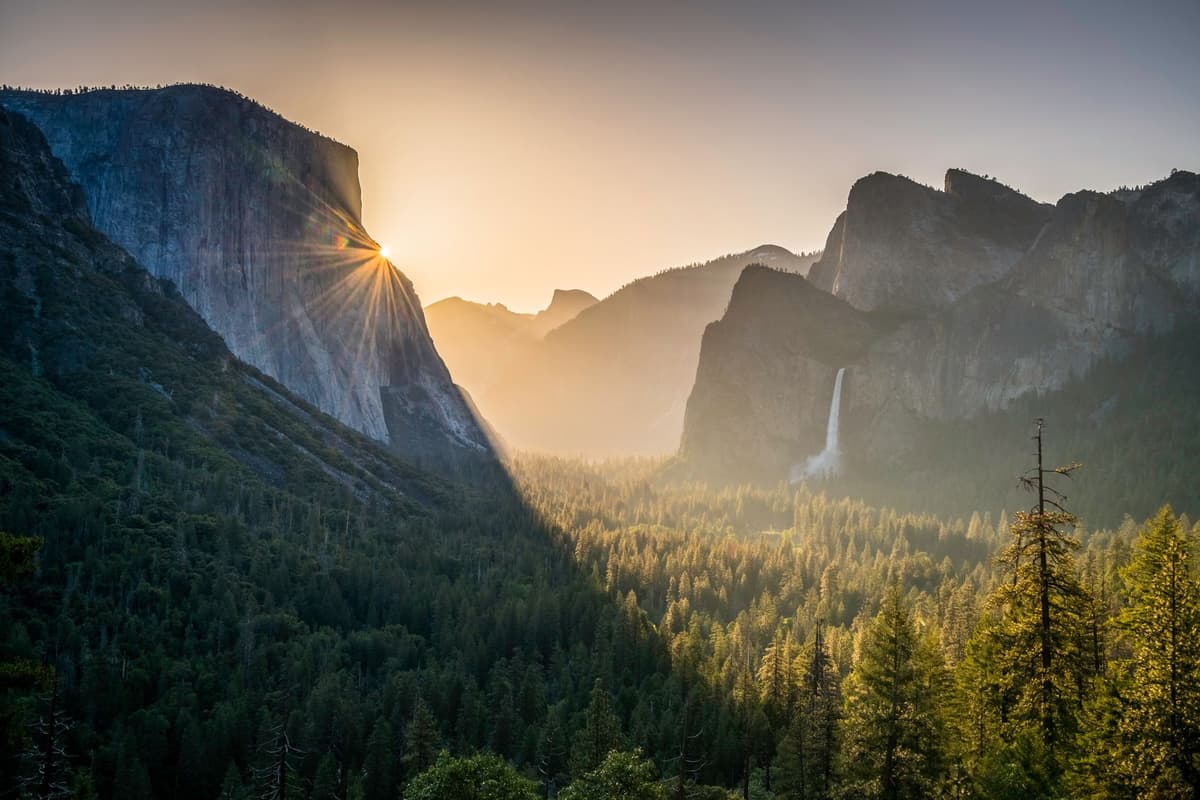
Yosemite National Park No Longer Requires Entry Reservations—Here's What to Know
Why It Matters
Unrestricted access reshapes visitor flow, intensifying congestion and environmental pressure while altering revenue streams for the National Park Service and surrounding hospitality businesses.
Key Takeaways
- •Yosemite cancels entry reservations for 2026, reopening unrestricted access
- •First May weekend saw 90‑minute entrance backups and full parking
- •Early‑morning arrivals before 7 a.m. remain best crowd‑avoidance strategy
- •Non‑resident travelers now face an extra $100 surcharge per vehicle
- •Glacier, Arches and Mount Rainier also dropped reservation requirements
Pulse Analysis
The National Park Service’s decision to suspend Yosemite’s timed‑entry reservation system for the 2026 season marks a reversal of the pandemic‑era traffic controls that have shaped park access for five years. Officials say a thorough analysis of vehicle counts, parking utilization and overall visitation showed that most weekdays still operated within capacity, prompting a data‑driven rollback. Yosemite is not alone; Glacier, Arches and Mount Rainier announced similar lifts, signaling a broader shift toward open‑access policies as demand stabilizes across the U.S. park system.
The immediate effect has been palpable. On the first weekend of May, entrance stations recorded backups of up to 90 minutes and valley parking filled before noon, forcing late arrivals into overflow loops. For travelers, the most reliable tactic remains an early‑morning entry—arriving before 7 a.m. typically secures a spot and access to shuttles. Mid‑week trips or shoulder‑season visits in early May or late October also reduce crowd density. Additionally, a new $100 surcharge for non‑resident and international vehicles adds a cost consideration for out‑of‑state tourists.
Beyond the visitor experience, the policy shift raises questions about revenue and resource management. While open access may boost overall visitation, it also strains fixed parking and shuttle infrastructure, potentially prompting future investments in capacity upgrades. The $100 non‑resident fee partially offsets lost reservation‑related income, but its impact on tourism dollars remains to be seen. Operators such as AutoCamp Yosemite, Rush Creek Lodge and the historic Ahwahnee stand to benefit from increased spontaneous bookings, underscoring how lodging markets adapt to fluctuating park policies.
Yosemite National Park No Longer Requires Entry Reservations—Here's What to Know
Comments
Want to join the conversation?
Loading comments...