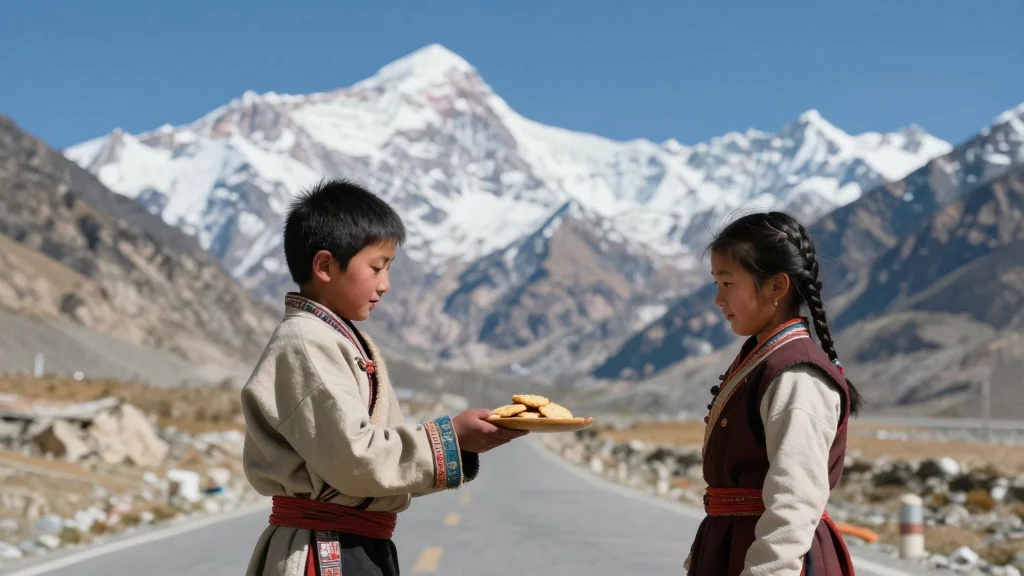
Zanskar’s ‘Toll Booth’ Kids Spark Travel Surge to Remote Himalayan Valley

Why It Matters
The Zanskar toll‑collector video illustrates how social media can rapidly elevate obscure destinations into mainstream travel itineraries, reshaping tourism flows in the outdoors sector. By spotlighting a remote Himalayan valley, the clip encourages diversification of adventure travel away from over‑touristed sites, potentially easing pressure on popular locales while injecting economic activity into isolated communities. If managed responsibly, the surge could fund infrastructure upgrades, improve safety for trekkers, and provide locals with new income streams. Conversely, unchecked growth risks environmental degradation and cultural dilution. The episode underscores the need for proactive destination management that leverages digital virality while safeguarding natural and cultural assets.
Key Takeaways
- •A viral Instagram clip of Zanskar children demanding biscuits as a toll has sparked a tourism surge.
- •Shinku La pass now connects the Manali‑Leh highway to Zanskar, enabling 4×4 access during summer months.
- •Padum guesthouses report a 30 % rise in bookings compared to the previous year.
- •Local guide Sonam Dorjee notes increased inquiries and demand for authentic cultural experiences.
- •Officials warn that infrastructure must expand to protect the valley’s ecosystem amid growing visitor numbers.
Pulse Analysis
The Zanskar phenomenon is a textbook case of digital word‑of‑mouth accelerating niche tourism. Historically, remote Himalayan valleys relied on word‑of‑mouth among trekking circles; now a single short video can generate global curiosity within hours. This shift empowers smaller communities to tap into a broader market without large‑scale marketing budgets, but it also compresses the planning horizon for local authorities.
From a market perspective, the surge aligns with a broader trend of travelers seeking authentic, off‑the‑beaten‑path experiences post‑pandemic. Adventure brands are already curating itineraries that include Zanskar’s high‑altitude deserts, honey‑comb monasteries, and the quirky toll‑collector tradition. The challenge will be to scale services—lodging, transport, waste management—without eroding the very cultural fabric that attracted visitors. Partnerships between local cooperatives and responsible‑tourism operators could provide a template for sustainable growth.
Looking ahead, the next wave of interest will likely be driven by user‑generated content on platforms like TikTok and YouTube, where the visual appeal of Zanskar’s stark landscapes and heartfelt interactions can be amplified. Policymakers should consider implementing visitor caps during peak months, investing in low‑impact infrastructure, and promoting community‑led tours that ensure revenue stays local. If these measures are adopted, Zanskar could become a model for how viral moments translate into lasting, responsible tourism development.
Zanskar’s ‘Toll Booth’ Kids Spark Travel Surge to Remote Himalayan Valley
Comments
Want to join the conversation?
Loading comments...