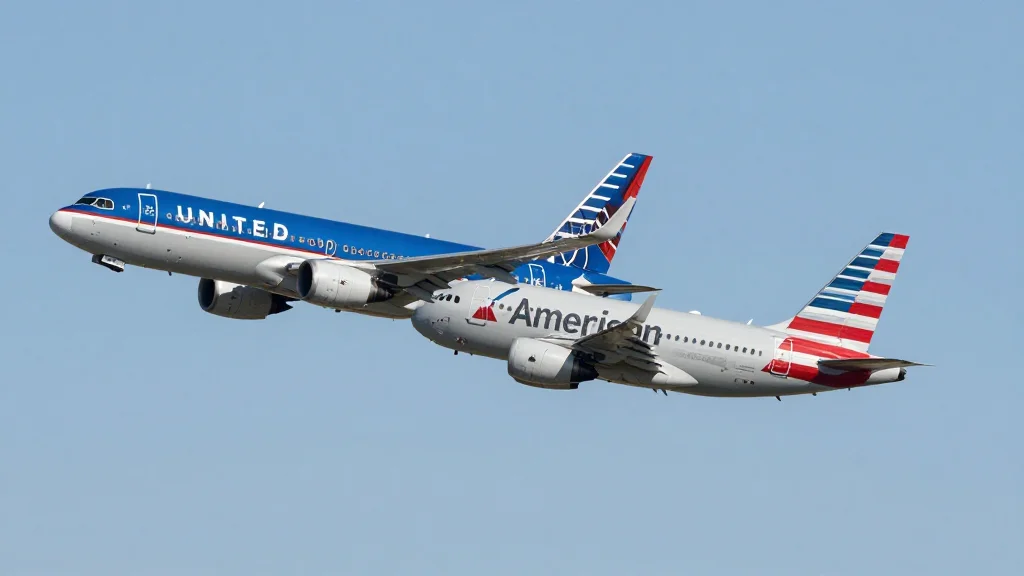
United Airlines CEO Has Floated The Idea Of Buying American Airlines
Key Takeaways
- •United CEO Scott Kirby publicly floated United‑American merger
- •Kirby pitched idea to senior U.S. government officials
- •Merger would create near‑monopoly on Latin America routes
- •Antitrust scrutiny would be intense under any administration
- •Analysts see JetBlue acquisition as more realistic path
Pulse Analysis
The airline sector has been inching toward consolidation for years, driven by volatile fuel costs, labor pressures, and the need for scale in a competitive market. United’s overture to American, the nation’s two largest carriers, would be the most dramatic step yet, potentially combining over 150 aircraft types and a combined market share exceeding 30 percent of domestic seats. Such a union would not only reshape route networks but also concentrate pricing power, especially on high‑traffic corridors to Latin America where both airlines already dominate. Regulators would likely invoke the Clayton Act, demanding divestitures or behavioral remedies to preserve competition.
Beyond antitrust concerns, the financial calculus of a United‑American deal is complex. Both airlines carry substantial debt—United’s balance sheet reflects roughly $30 billion in obligations, while American’s debt hovers near $25 billion—making a merger financing challenge in a higher‑interest‑rate environment. Moreover, integrating legacy loyalty programs, labor contracts, and IT systems would entail massive one‑time costs and operational risk. Industry observers therefore view a United‑JetBlue acquisition as a more attainable target; JetBlue’s $8 billion debt load and East Coast hub at JFK could provide United with immediate network synergies without the same level of regulatory headwinds.
For passengers, the prospect of a United‑American mega‑carrier raises concerns about fare hikes, reduced service options, and diminished bargaining power. Historically, airline consolidations have led to higher average ticket prices and fewer choices on overlapping routes. However, proponents argue that scale can drive efficiencies, lower per‑seat costs, and fund fleet modernization. Ultimately, the decision will hinge on whether the combined entity can demonstrate consumer benefits that outweigh the competitive drawbacks, a balance that U.S. antitrust agencies will scrutinize closely.
United Airlines CEO Has Floated The Idea Of Buying American Airlines
Comments
Want to join the conversation?