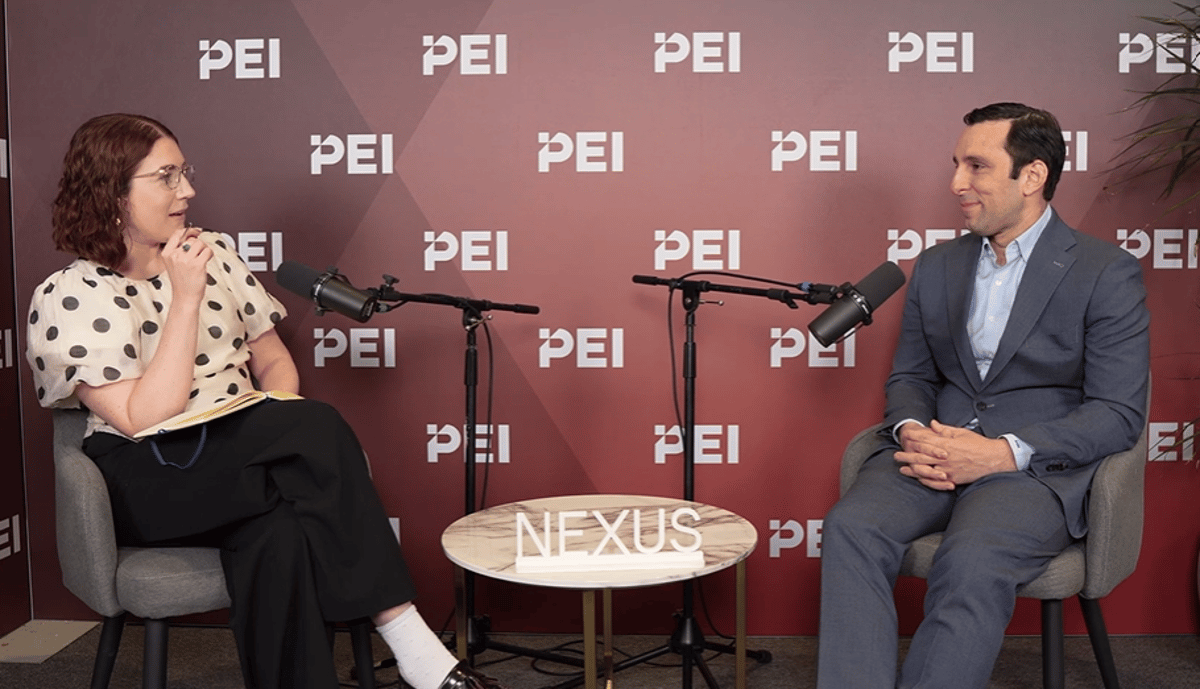
2026 Should Set Another Record Despite Macro Uncertainty: PJT’s Millan
•March 5, 2026
0
Why It Matters
A record‑setting secondaries market signals strong liquidity demand and validates private‑equity valuations, influencing fund‑raising and exit strategies across the industry.
Key Takeaways
- •2026 secondaries volume expected to surpass 2025 record
- •Macro uncertainty may compress pricing multiples
- •Investor appetite remains high despite geopolitical risks
- •Capital inflows expected to sustain deal flow
Pulse Analysis
The private‑equity secondary market has entered a phase of unprecedented activity, with 2025 already setting a high watermark for transaction volume. Analysts attribute this surge to a confluence of mature fund vintages seeking liquidity and a growing pool of institutional capital looking for shorter‑duration exposure. As a result, secondary firms are scaling teams and expanding geographic reach, positioning the market to eclipse prior records in 2026.
Despite the bullish outlook, macro‑economic headwinds loom large. Persistent inflation, shifting central‑bank policies, and geopolitical flashpoints are prompting buyers to scrutinize price‑to‑cash‑flow multiples more closely. This pricing discipline could lead to modest discounts on legacy stakes, offering opportunistic investors a margin of safety while still delivering attractive yields. The nuanced balance between demand and pricing will likely dictate the pace of deal flow throughout the year.
For fund managers and limited partners, a record‑setting secondary market carries strategic implications. Sponsors can leverage secondary sales to manage balance‑sheet risk and extend fund life, while LPs gain a liquid exit avenue without compromising long‑term commitments. Moreover, the influx of capital into secondaries reinforces confidence in private‑equity as an asset class, potentially easing fundraising pressures for new funds. As 2026 unfolds, market participants will watch closely how pricing dynamics evolve amid macro uncertainty, shaping the next chapter of private‑equity liquidity solutions.
2026 should set another record despite macro uncertainty: PJT’s Millan
0
Comments
Want to join the conversation?
Loading comments...