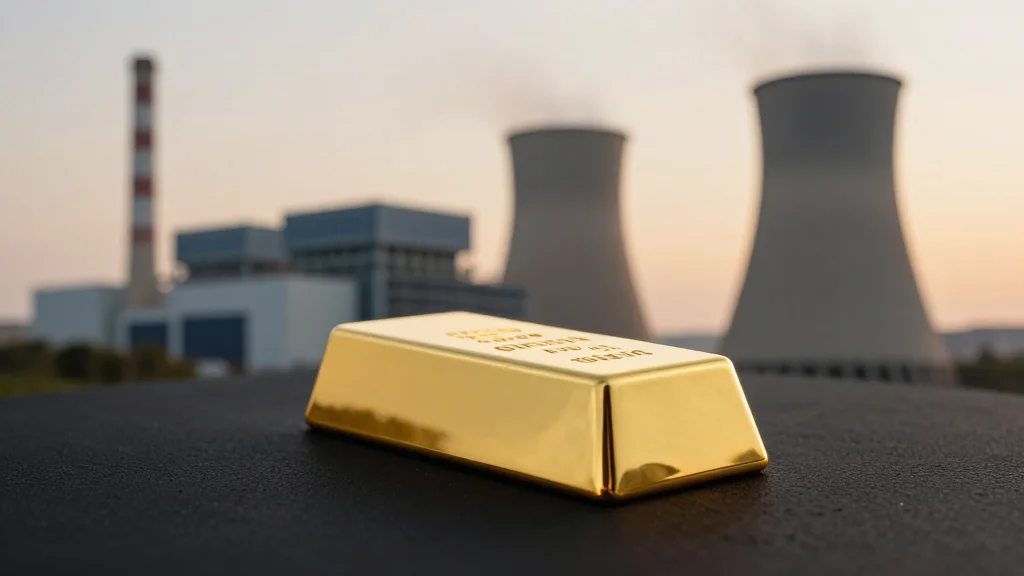
AES to Go Private in $15‑Per‑Share Leveraged Buyout Led by GIP and EQT

Companies Mentioned
Why It Matters
The AES transaction underscores a resurgence of mega‑cap buyouts in a sector traditionally viewed as defensive. By leveraging over $10 billion of debt, GIP and EQT are betting on the ability to extract value from a globally diversified utility through cost optimization and strategic asset sales. The premium paid reflects a broader trend where private‑equity firms are willing to pay above market rates for stable cash‑flow generators, betting on post‑deal operational improvements and favorable financing conditions. For the private‑equity industry, the deal serves as a litmus test for capital‑intensive, regulated investments amid tightening credit markets. Success could embolden other funds to pursue similar utility targets, while any hiccups—particularly around regulatory approvals or shareholder appraisal disputes—could temper enthusiasm and recalibrate pricing expectations for future deals.
Key Takeaways
- •AES agreed to a $15.00 per‑share cash buyout, a 35.5% premium to the July 2025 closing price.
- •The consortium led by GIP and EQT has secured up to $10.69 billion of debt financing for the transaction.
- •Sponsor payment obligations could range from $100 million to $588 million, with a $321 million company‑side fee.
- •The deal will delist AES from the NYSE and transition its 8,300 employees to private ownership.
- •Shareholders retain appraisal rights under Delaware law, potentially extending the closing timeline.
Pulse Analysis
The AES buyout marks a pivotal moment for private‑equity’s foray into the utility space, a sector that offers predictable cash flows but also carries regulatory complexity. Historically, PE firms have been cautious with heavily regulated assets, yet the GIP/EQT consortium’s willingness to deploy over $10 billion of leverage suggests a recalibrated risk appetite, likely driven by low‑interest‑rate environments and the search for yield‑generating investments. The premium paid—over 35%—signals that sponsors anticipate substantial upside from operational restructuring, potential divestitures of non‑core assets, and the ability to refinance debt at more favorable terms once the company is private.
From a market perspective, the transaction could catalyze a wave of similar deals, especially as other utilities face aging infrastructure and the need for capital-intensive upgrades for renewable integration. Private owners can often act more nimbly than public companies, deploying capital without the scrutiny of quarterly earnings reports. However, the deal also highlights the delicate balance between aggressive financing and regulatory risk; any delay in approvals or a successful shareholder appraisal challenge could erode the projected returns and set a cautionary precedent for future mega‑cap buyouts.
Looking ahead, the success of the AES acquisition will hinge on the consortium’s ability to execute post‑closing value‑creation plans while navigating the evolving energy policy landscape. If GIP and EQT can demonstrate tangible improvements in operational efficiency and strategic growth, the deal will reinforce the narrative that private‑equity can thrive in traditionally public‑market domains, potentially reshaping capital allocation patterns across the broader infrastructure and utility sectors.
AES to Go Private in $15‑Per‑Share Leveraged Buyout Led by GIP and EQT
Comments
Want to join the conversation?
Loading comments...