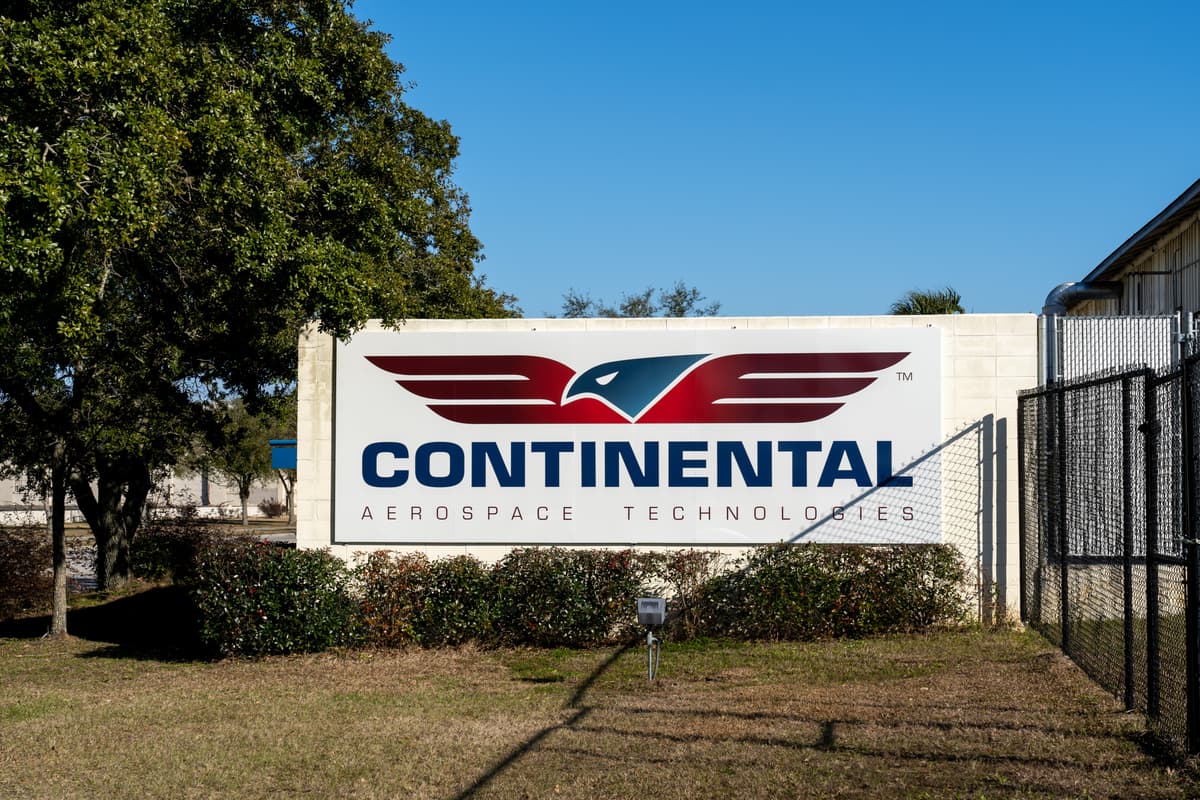
Continental Aerospace Returns to U.S. Ownership in $535 Million Arcline Deal
Companies Mentioned

Why It Matters
U.S. ownership puts a critical general‑aviation propulsion supplier back under domestic control, easing supply‑chain concerns and encouraging new engine investments. It also highlights growing private‑equity interest in the GA market.
Key Takeaways
- •Arcline to acquire Continental for $535 million, ending AVIC ownership.
- •Continental supplies piston engines for training, personal, and utility aircraft.
- •Deal includes plans for increased product development and manufacturing investment.
- •U.S. ownership may reduce geopolitical supply‑chain risks for GA sector.
- •Private‑equity activity in aerospace accelerates amid growing general‑aviation demand.
Pulse Analysis
Continental Aerospace Technologies traces its lineage to 1905 and has been a cornerstone of general‑aviation propulsion for more than a century. Its line‑up of piston engines powers the majority of flight‑training fleets in the United States and supports a robust aftermarket that keeps older aircraft flying safely. The $535 million purchase by Arcline Investment Management marks the first time since 2011 that the company will be under American ownership, a shift that revives its original domestic roots while preserving the brand’s global customer base.
The transaction arrives at a moment when geopolitical tensions have heightened scrutiny of foreign‑owned supply chains in critical aerospace components. By returning Continental to U.S. hands, operators and flight schools can expect fewer regulatory hurdles and a clearer path for parts certification. Arcline’s track record of investing in aerospace and industrial technology suggests a strategic infusion of capital aimed at modernizing the factory floor, accelerating the rollout of next‑generation diesel and Jet‑A capable engines, and expanding the company’s digital service platform.
Analysts see the deal as a bellwether for private‑equity confidence in the general‑aviation market, which is projected to grow as pilot shortages drive demand for cost‑effective training aircraft. Continental’s renewed focus on research and development could shorten the time to market for more fuel‑efficient powerplants, helping operators meet tightening emissions standards. While the acquisition still requires antitrust and foreign‑investment clearance, the likelihood of approval is high given the limited market concentration and the strategic benefits of domestic control.
Continental Aerospace Returns to U.S. Ownership in $535 Million Arcline Deal
Comments
Want to join the conversation?
Loading comments...