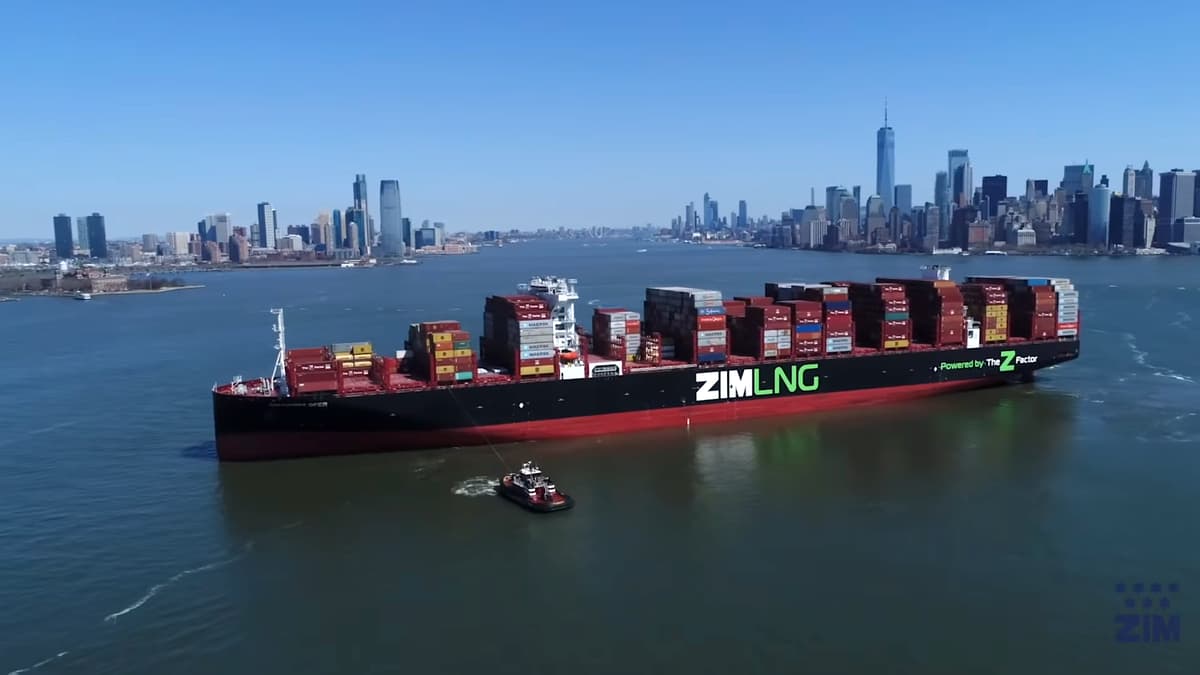
Could New Zim Offer Start Bidding War?
Companies Mentioned
Why It Matters
A higher bid could shift control of Zim’s strategic assets back to Israeli hands, affecting national security and global container‑shipping consolidation. The contest underscores how sovereign interests intersect with private‑equity deals in the maritime sector.
Key Takeaways
- •Shareholders approved $4.2B Hapag‑Lloyd/FIMI takeover in April.
- •Sakal group proposes $4.5B all‑cash bid with $250M employee bonus.
- •New Zim would retain 16 Israel‑flagged vessels and a government golden share.
- •Legal hurdles may delay switching to the higher offer, sparking a bidding war.
Pulse Analysis
Zim Integrated Shipping Services, Israel’s flagship container carrier, has long been a strategic asset due to its trans‑Pacific routes and its role in national security. The April shareholder vote cleared a $4.2 billion acquisition by Hapag‑Lloyd, the world’s fifth‑largest carrier, partnered with FIMI Opportunity Funds. The deal was structured to form a "New Zim" that preserves 16 Israel‑flagged vessels, the Zim brand, and a government‑owned golden share, ensuring a degree of sovereign oversight while unlocking capital for growth.
The emergence of a $4.5 billion all‑cash proposal from Haim Sakal and a consortium of Israeli investors adds a new dimension to the transaction. Beyond the $300 million premium, the offer includes a $250 million employee‑bonus package and a pledge to keep the fleet and operational headquarters under Israeli control. Sakal, known for his retail and duty‑free ventures, positions the bid as a patriotic alternative that safeguards jobs and national interests. However, the legal framework governing shareholder approvals and merger agreements may limit Zim’s ability to pivot to the higher offer without triggering a formal review or extension clause, potentially delaying any resolution.
If the Sakal bid prevails, it could set a precedent for domestic investors outbidding foreign carriers in strategic maritime assets, influencing future M&A activity in the container‑shipping industry. For Hapag‑Lloyd, losing Zim would mean forfeiting roughly 700,000 TEUs of capacity, though it would not alter its global ranking. The broader market may see heightened scrutiny of cross‑border deals where national security and economic sovereignty intersect, prompting regulators and investors to weigh strategic value alongside financial terms. Regardless of the outcome, the Zim saga highlights the delicate balance between consolidation benefits and the preservation of critical national infrastructure.
Could new Zim offer start bidding war?
Comments
Want to join the conversation?
Loading comments...