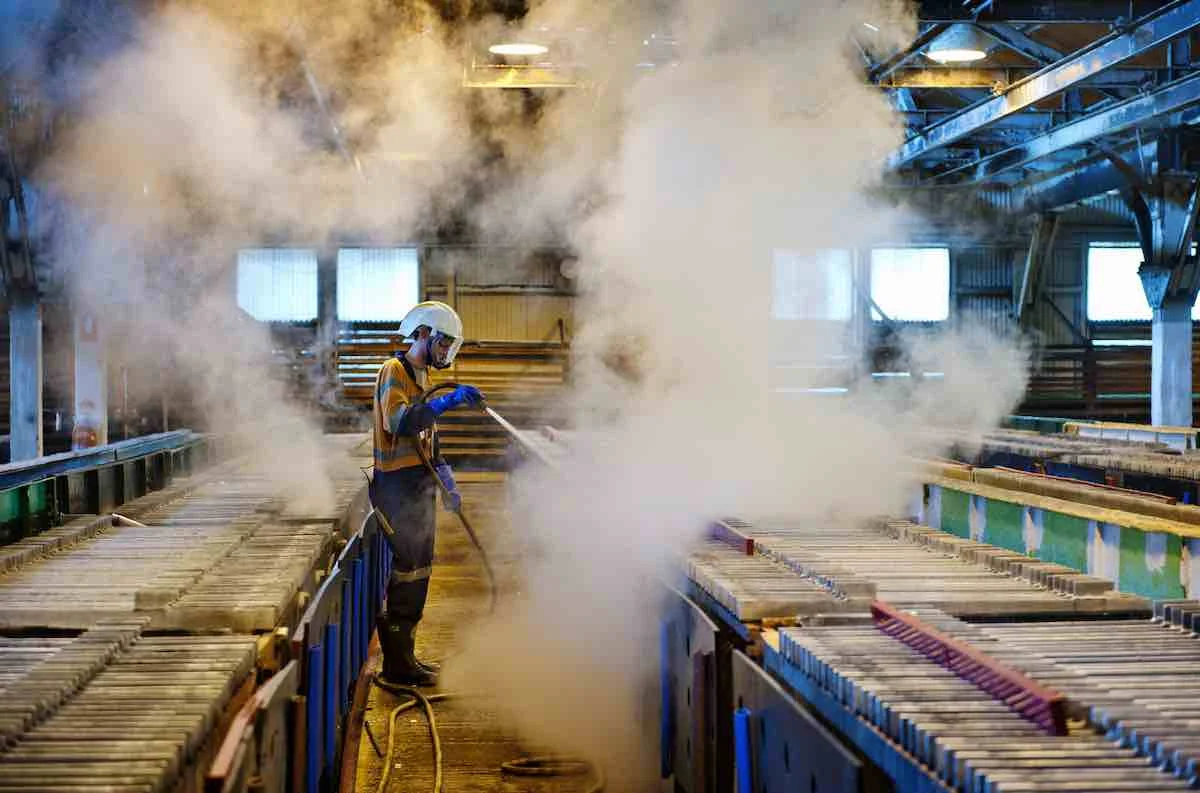
Gas-Based Hydrogen Hopeful Among Shortlisted “Low-Emission” Proposals for Troubled Whyalla Steelworks
Why It Matters
Securing financially robust, low‑carbon owners could revive Whyalla’s steel production and preserve thousands of jobs, while also advancing Australia’s green‑steel agenda. The outcomes will signal how effectively government support can catalyze a transition from high‑emission legacy plants to sustainable manufacturing.
Key Takeaways
- •M Resources partners with Hazer to offer hydrogen‑based steel
- •Jindal Steel, India’s third‑largest private producer, bids for Whyalla
- •BlueScope retains right of last offer, could re‑enter race
- •SA government funds administration costs to keep plant operational
- •Liberty Bell Bay smelter seeks new owner after year idle
Pulse Analysis
Whyalla’s steelworks, once a cornerstone of South Australia’s heavy industry, has been in limbo since the 2020s when GFG Alliance’s mounting debt forced administrators into control. The aging blast furnace, offline since April, symbolizes the broader challenge of reviving legacy plants that were built for a carbon‑intensive era. With the federal and state governments injecting funds to sustain operations, the facility now sits at a crossroads between closure and a potential renaissance anchored in low‑emission technology.
The shortlist that left M Resources and Jindal Steel as the final contenders reflects a strategic shift toward greener steelmaking. M Resources leans on Hazer Group’s proprietary process that extracts hydrogen from natural‑gas feedstock to power a direct‑reduced iron route, dramatically cutting CO₂ emissions while co‑producing graphite. Jindal Steel brings scale and market access from India, positioning itself to tap into Australia’s growing demand for sustainable steel. Meanwhile, BlueScope’s retained right of last offer keeps a domestic heavyweight in the mix, ensuring any deal must meet rigorous financial and environmental criteria.
Beyond Whyalla, the parallel sale of the Liberty Bell Bay manganese smelter underscores a coordinated effort to stabilize Australia’s critical mineral supply chain. Both transactions are being watched as barometers for how effectively public capital can de‑risk high‑cost, low‑carbon transitions. Successful bids could unlock a new era of Australian steel that aligns with global decarbonisation targets, safeguard regional employment, and reinforce the country’s reputation as a supplier of responsibly produced metals. The next few months will determine whether policy support translates into tangible, low‑emission industrial revival.
Gas-based hydrogen hopeful among shortlisted “low-emission” proposals for troubled Whyalla steelworks
Comments
Want to join the conversation?
Loading comments...