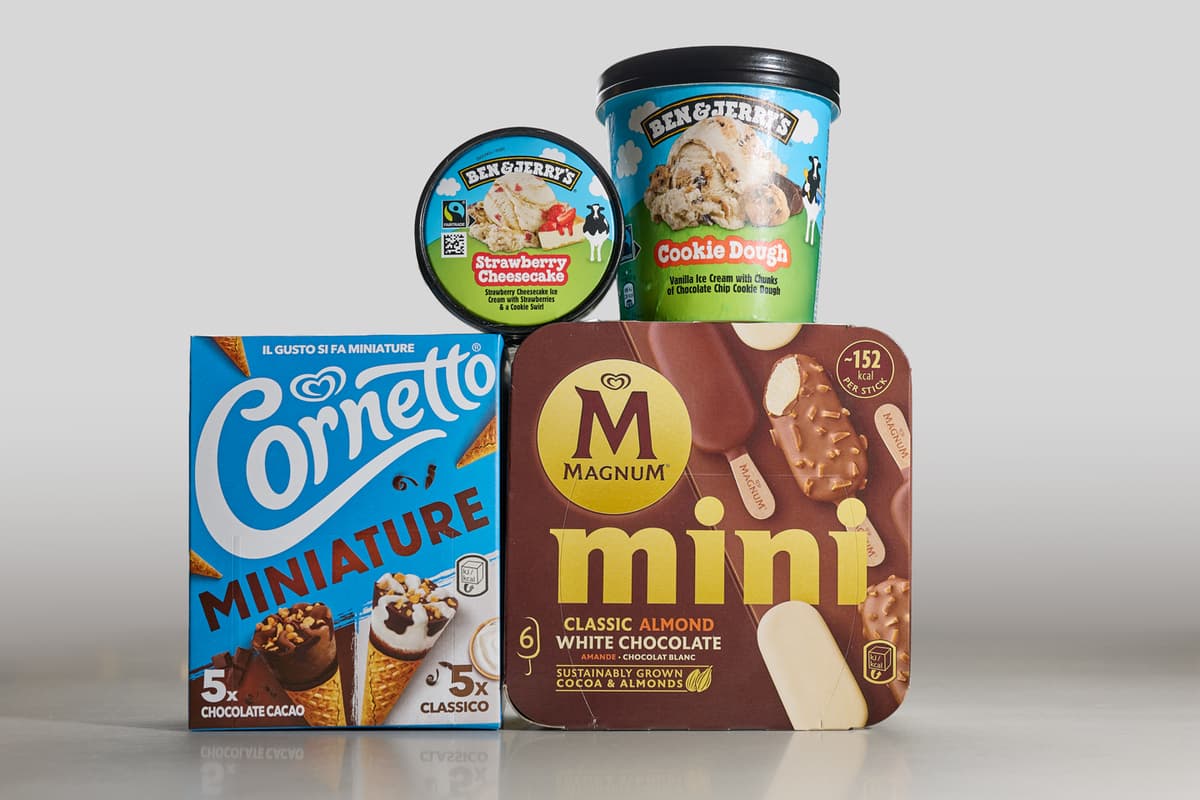
Is Magnum Already About to Disappear From the Stock Market?
Companies Mentioned
Why It Matters
A potential acquisition would reshape the premium ice‑cream landscape, influencing valuation benchmarks and Unilever’s strategic focus on core brands. Private‑equity ownership could also drive operational changes that affect product pricing and distribution.
Key Takeaways
- •Magnum spun off from Unilever less than six months ago.
- •Blackstone and CD&R reportedly eyeing a takeover bid.
- •Analysts label timing as 'very peculiar' and unexpected.
- •Potential sale could reshape premium ice‑cream market ownership.
Pulse Analysis
The spin‑off of Magnum, along with other Unilever ice‑cream labels, was part of a broader strategy to streamline the conglomerate’s portfolio and unlock shareholder value. By separating high‑growth, brand‑centric assets, Unilever aimed to give the ice‑cream business a clearer market identity and attract focused investment. However, the rapid emergence of takeover chatter suggests that the newly independent entity may already be a prime target for investors seeking to capitalize on its strong brand equity and global distribution network.
Private‑equity firms Blackstone and Clayton, Dubilier & Rice have a track record of acquiring consumer‑goods companies and extracting value through operational efficiencies and strategic repositioning. Their interest in Magnum likely stems from the brand’s premium positioning, robust margins, and growth potential in emerging markets. While exact valuation figures remain undisclosed, comparable deals in the frozen dessert sector have fetched multiples of 10‑12 times EBITDA, indicating that a bid could command a substantial premium over Magnum’s current market price. The involvement of two heavyweight firms also hints at a possible consortium bid, which could mitigate risk and provide the capital needed for aggressive expansion.
If a takeover materializes, the ripple effects could be significant for the ice‑cream industry. A private‑equity‑owned Magnum may pursue aggressive pricing strategies, product innovation, or channel diversification, challenging rivals such as Ben & Jerry’s and Häagen‑Dazs. For Unilever, divesting another premium brand would further concentrate its portfolio around core categories like personal care and nutrition, potentially improving earnings stability. Consumers might see subtle shifts in branding or packaging, but the underlying product quality is likely to remain a priority to preserve brand loyalty. Overall, the prospective deal underscores the heightened appetite for high‑margin consumer brands in a low‑interest‑rate environment, setting the stage for further consolidation in the frozen dessert market.
Is Magnum already about to disappear from the stock market?
Comments
Want to join the conversation?
Loading comments...