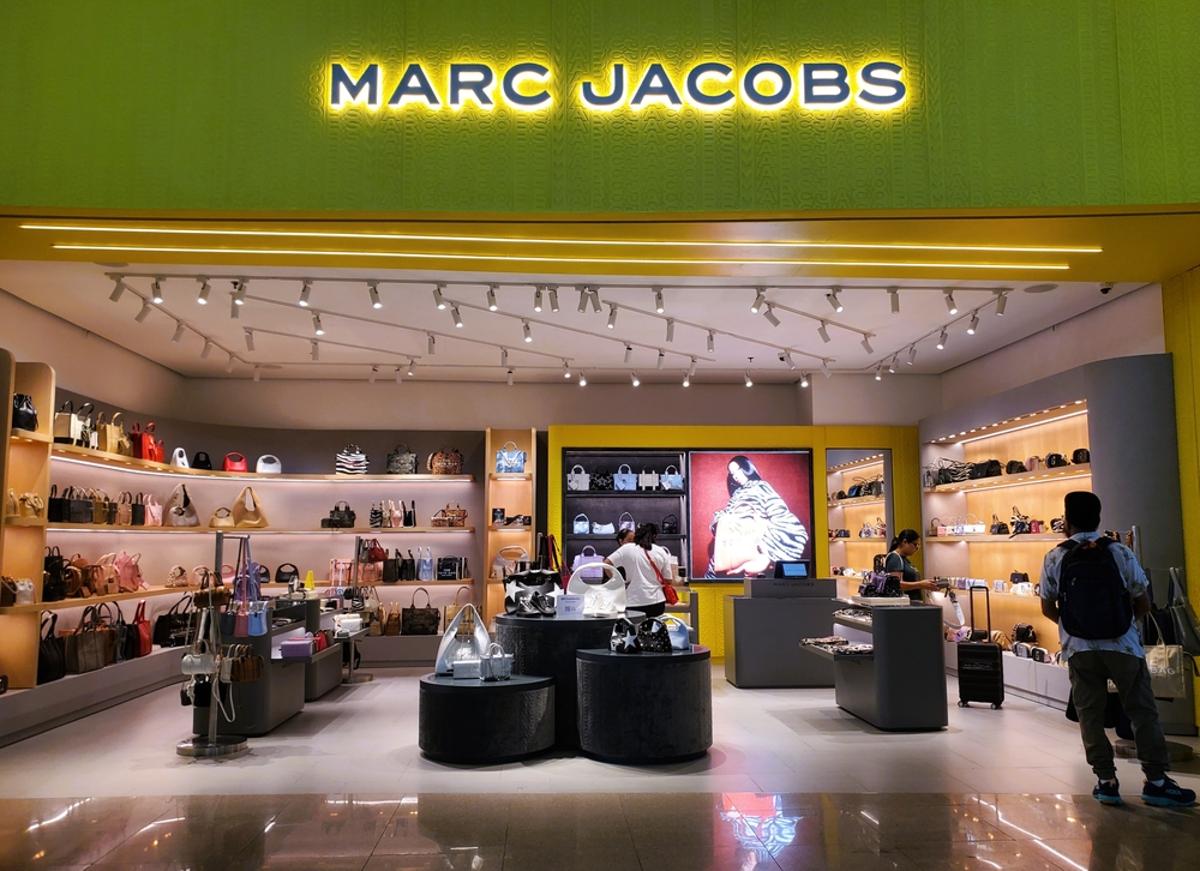
LVMH Sells Fashion House Marc Jacobs to G-Star Owner WHP Global
Why It Matters
The transaction sharpens LVMH’s focus on core brands while giving WHP Global and G‑III a foothold in the high‑end American market, potentially reshaping luxury brand ownership dynamics. It also highlights how geopolitical tensions are prompting luxury groups to streamline and diversify revenue streams.
Key Takeaways
- •WHP Global and G‑III acquire Marc Jacobs for up to $850 million
- •Joint venture splits IP ownership, licensing, and retail management duties
- •Founder Marc Jacobs stays on as creative director post‑sale
- •LVMH continues portfolio trim, following Off‑White and Stella McCartney exits
Pulse Analysis
LVMH’s decision to divest Marc Jacobs underscores a broader strategic shift toward concentrating resources on its flagship houses such as Louis Vuitton and Dior. After a three‑decade partnership, the French conglomerate is shedding non‑core assets to improve capital efficiency and mitigate exposure to volatile markets. Recent moves—including the sale of Off‑White and the stake in Stella McCartney—signal a disciplined portfolio rationalization aimed at bolstering profit margins amid slowing luxury demand.
The acquisition structure places WHP Global and G‑III Apparel Group at the helm of Marc Jacobs’ future growth. WHP will leverage its licensing expertise to expand the brand’s presence in accessories and fragrance, while G‑III will oversee the operational side, from retail store management to wholesale distribution. Retaining Marc Jacobs as creative director ensures brand continuity, a critical factor for maintaining consumer loyalty. This joint‑venture model allows both firms to share risk and capitalize on complementary strengths, positioning Marc Jacobs for a revitalized market push.
The deal also reflects the wider pressures facing the luxury sector, where geopolitical instability—particularly tensions in the Middle East—has dampened travel‑driven spending. By offloading a mid‑tier label, LVMH reduces its exposure to regions most affected by reduced tourism. Meanwhile, WHP Global gains a coveted American luxury name that can be leveraged across its global licensing network, potentially offsetting regional demand gaps. The transaction may prompt other conglomerates to reassess their brand portfolios, balancing heritage assets with growth‑oriented acquisitions in a cautious consumer environment.
LVMH sells fashion house Marc Jacobs to G-Star owner WHP Global
Comments
Want to join the conversation?
Loading comments...