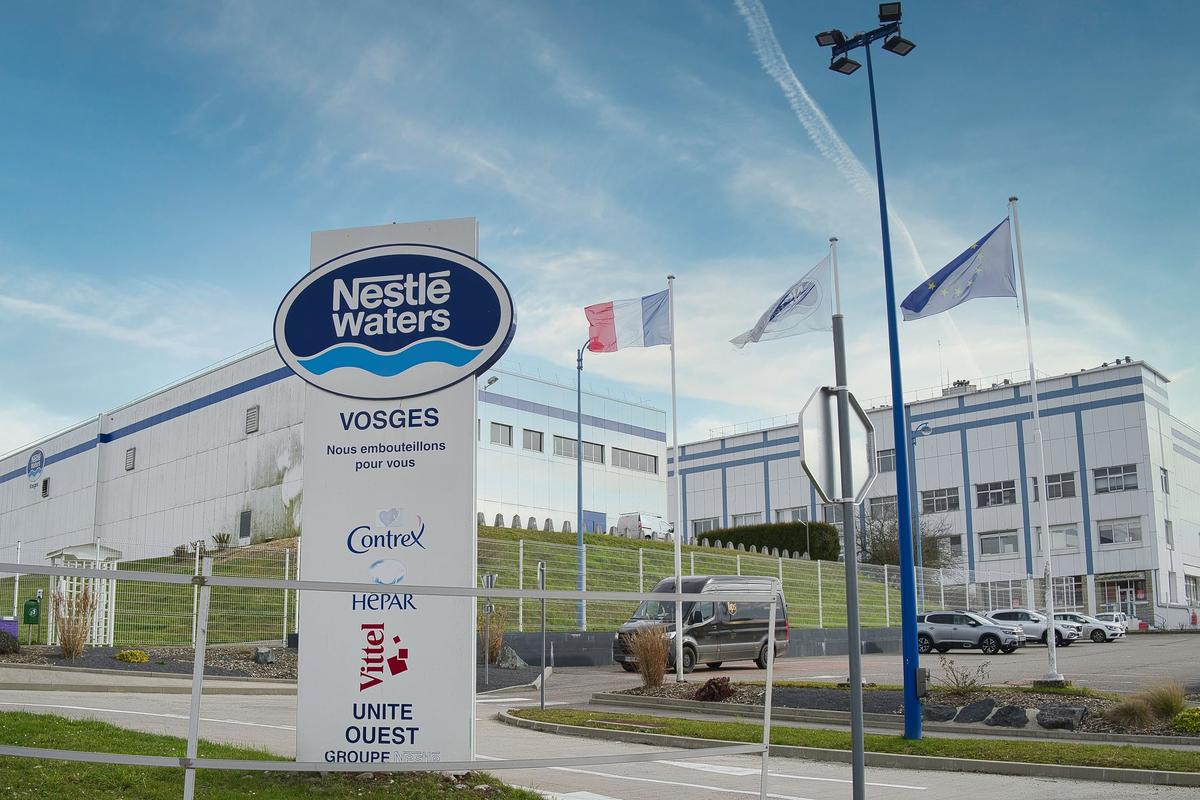
Nestlé Waters Sale Nears Decision Point
Why It Matters
Divesting the troubled Waters unit allows Nestlé to protect its core brands and improve earnings visibility, while signaling to the broader food sector that reputational risk can drive strategic exits. The sale also offers investors a clearer path to value creation through focused operations.
Key Takeaways
- •Nestlé plans partial disposal of Waters division, not full exit
- •Scandals over PFAS and mislabeling pressured the divestiture
- •Private equity firms like Blackstone and KKR eye the assets
- •Sale aligns with Nestlé’s Four Pillars focus on core growth categories
- •Industry sees move as signal that scale isn’t always strategic advantage
Pulse Analysis
Nestlé’s decision to dispose of a portion of its Waters business reflects a growing intolerance for regulatory and reputational headaches in the bottled‑water sector. The division has been embroiled in 2024 scandals, from accusations of selling treated tap water as mineral water to findings of bacteria, pesticides and PFAS in flagship brands such as Perrier and Vittel. These issues have amplified scrutiny from French authorities and consumer groups, eroding brand equity and prompting the Swiss giant to reassess non‑core assets. By moving toward a partial carve‑out, Nestlé aims to shield its core portfolio from lingering controversy.
The sale has attracted a roster of heavyweight private‑equity firms, including Blackstone, KKR, Bain, CD&R and PAI, underscoring the perceived value of a global water brand despite its challenges. Investors see an opportunity to restructure operations, cut costs and potentially re‑brand the assets for a more sustainable future. Nestlé’s approach mirrors recent moves by Kraft Heinz and Unilever, which have explored splits or spin‑offs to concentrate on higher‑margin categories. However, unlike those stalled efforts, Nestlé appears to have secured serious buyer interest, suggesting a clearer path to execution.
Beyond Nestlé, the transaction signals a broader shift in Big Food: scale alone no longer guarantees success when environmental and health concerns dominate public discourse. A successful exit could pressure peers to divest similarly vulnerable units, accelerating consolidation among specialized water players and private‑equity sponsors. For shareholders, the prospect of a clean break may improve earnings visibility and free cash flow, while consumers may witness a re‑orientation toward more transparent sourcing and packaging practices. The outcome will be a bellwether for how multinational food companies balance growth ambitions with mounting sustainability expectations.
Nestlé Waters sale nears decision point
Comments
Want to join the conversation?
Loading comments...