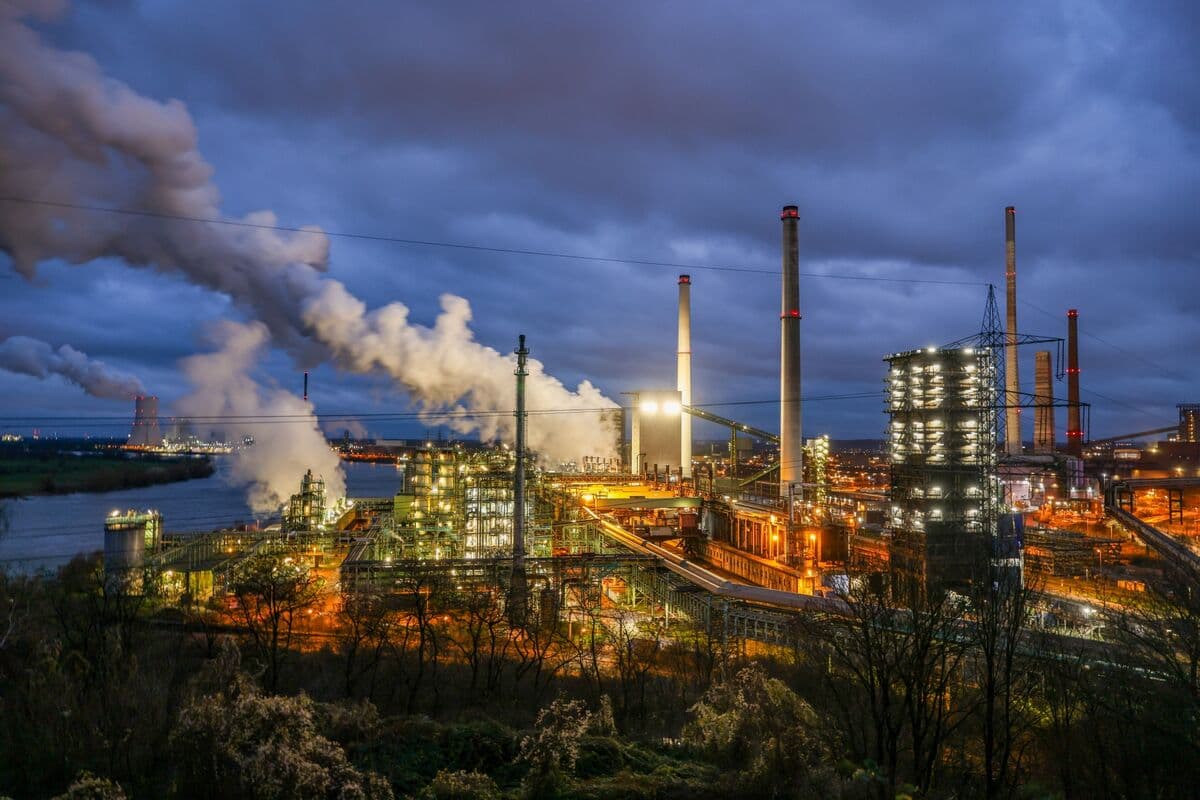
Thyssenkrupp, Jindal Steel Pause Talks on Steel Unit Stake
Why It Matters
The pause signals uncertainty in Europe’s steel consolidation and could delay Jindal’s expansion into the high‑margin German market, affecting supply dynamics across both continents.
Key Takeaways
- •Thyssenkrupp pauses Jindal stake talks amid shifting market conditions
- •Sale prerequisites changed, prompting strategic reassessment of German steel assets
- •Jindal seeks Indian market foothold, but financing uncertainties linger
- •Potential deal could reshape European-Asian steel supply chains
Pulse Analysis
Thyssenkrupp's steel unit has long been a cornerstone of Germany's industrial base, but recent profit pressures and rising raw‑material costs have forced the conglomerate to explore strategic options. A sale to an external partner was floated as a way to inject capital and streamline operations, yet the rapidly evolving European energy policies and volatile demand have altered the calculus. By pausing talks, Thyssenkrupp signals a cautious approach, preferring to wait for clearer signals on carbon pricing, subsidies, and the broader economic outlook before committing to a transaction that could reshape its core business.
Jindal Steel International, one of India's largest private steel producers, has been eyeing overseas acquisitions to diversify its revenue base and gain access to advanced technologies. The Indian market, while growing, faces its own challenges, including financing constraints and regulatory hurdles. A stake in Thyssenkrupp would provide Jindal with a foothold in the premium European market and a platform for technology transfer. However, the recent shift in deal prerequisites—likely tied to valuation disagreements and financing terms—highlights the difficulty Indian firms encounter when crossing into mature Western markets.
The broader steel industry watches this development closely, as a successful cross‑border transaction could accelerate consolidation between European and Asian players, influencing global supply chains and pricing. Conversely, the pause may embolden other European steelmakers to reconsider domestic restructuring over foreign sales. Investors will monitor how both companies navigate the evolving regulatory environment, especially regarding carbon emissions and trade policies, which will ultimately dictate the pace of any future deal.
Thyssenkrupp, Jindal Steel Pause Talks on Steel Unit Stake
Comments
Want to join the conversation?
Loading comments...