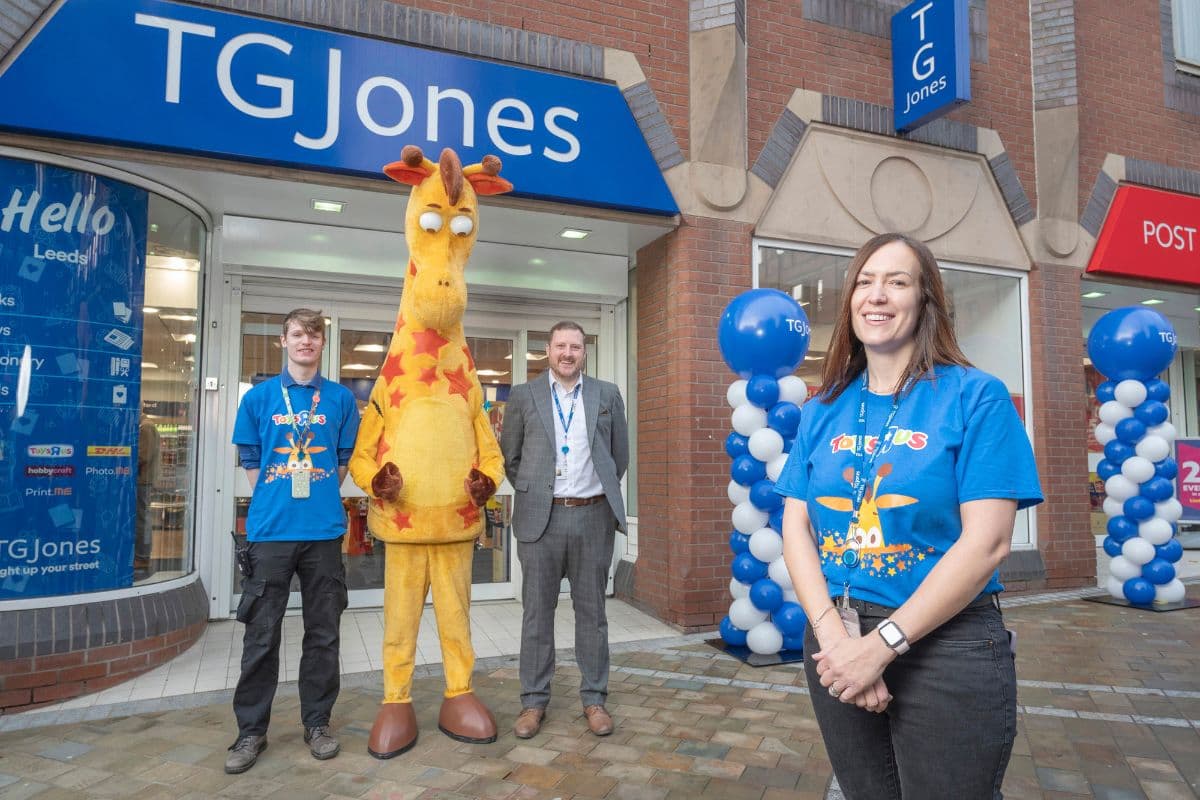
WH Smith Successor Delays ‘Aggressive’ Restructuring Which Will Shut Stores
Companies Mentioned
Why It Matters
The restructuring threatens a significant portion of the UK high‑street retail footprint and could set a precedent for how private‑equity‑owned retailers navigate insolvency, affecting landlords, suppliers, and investors alike.
Key Takeaways
- •Modella Capital bought 480 former WH Smith stores for £40 m ($51 m).
- •TG Jones may close up to 100 stores under a “cram‑down” restructuring.
- •High Court approval required; landlords face steep rent cuts.
- •WH Smith’s high‑street loss forces reliance on airport locations, hitting profits.
- •Modella’s other assets, like Wynsors, are also under review for sale.
Pulse Analysis
The UK high‑street has been in decline for years, but the recent acquisition of WH Smith’s 480 stores by Modella Capital intensified the pressure. Paying roughly $51 million for the assets, Modella rebranded many locations as TG Jones, yet performance lagged behind expectations. The loss of the WH Smith brand, combined with rising rental costs and shifting consumer habits, left the chain vulnerable, prompting the firm to consider a drastic restructuring to preserve cash flow.
A "cram‑down" restructuring, a legal mechanism that allows a court‑approved plan to proceed with consent from only one creditor class, is now on the table. If approved, up to 100 TG Jones outlets could close, and landlords would be forced to accept deep rent cuts—an outcome that could reverberate across the commercial property market. The High Court’s involvement adds a layer of uncertainty, as the judge must be convinced that no alternative exists to avoid administration. Such a move underscores the growing reliance on judicial tools to manage distressed retail portfolios.
Beyond TG Jones, Modella’s broader strategy raises questions about private‑equity’s role in the retail sector. The firm’s recent track record—shutting down The Original Factory Shop’s 137 stores and contemplating the sale of Wynsors World of Shoes—suggests a pattern of rapid acquisition followed by aggressive cost‑cutting or divestiture. Investors watching the sector will gauge whether these tactics can generate returns or simply accelerate the erosion of the high‑street ecosystem. The outcome of TG Jones’ restructuring will likely influence future private‑equity approaches to retail turnarounds, landlord negotiations, and the overall health of UK brick‑and‑mortar commerce.
WH Smith successor delays ‘aggressive’ restructuring which will shut stores
Comments
Want to join the conversation?
Loading comments...