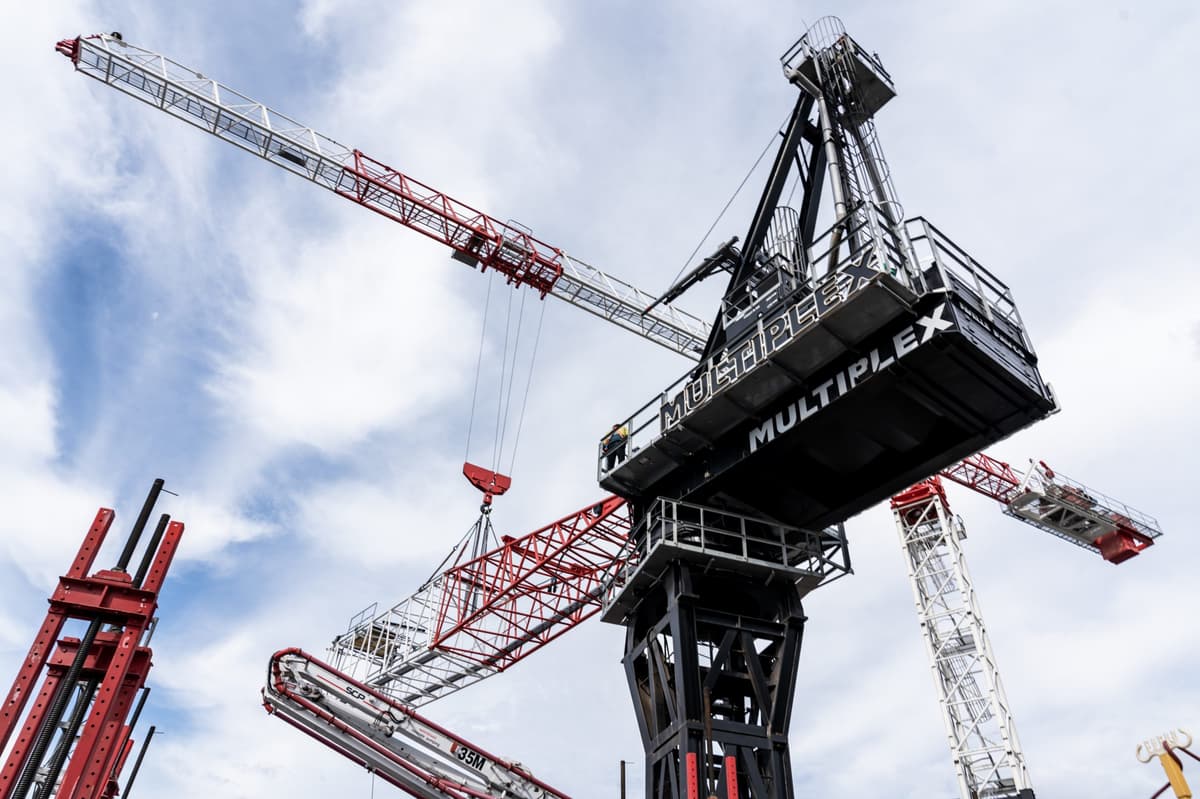
What Does the Sale of Multiplex to Japanese Construction Giant Obayashi Corporation Mean for Sustainability?
Key Takeaways
- •Obayashi acquires Multiplex for $650 million, expanding Australian footprint.
- •Deal gives Obayashi access to projects over $200 million via Built‑Obayashi JV.
- •Obayashi aims for zero‑carbon group emissions by 2050.
- •Company reduced Scope 1‑2 emissions 46% since 2019 using renewable energy.
- •Circular Timber Construction program targets fully sustainable domestic timber cycle.
Pulse Analysis
The $650 million purchase of Multiplex marks Obayashi’s most significant foray into the Anglophone construction market. By leveraging its existing Built‑Obayashi joint venture, the Japanese giant can now bid on large‑scale Australian, Canadian and UK projects that exceed $200 million, diversifying its revenue base beyond Japan’s mature market. This strategic expansion aligns with a broader trend of Asian infrastructure firms seeking growth in Western economies, where demand for high‑value, complex builds remains robust.
Obayashi’s sustainability agenda is central to the deal’s narrative. The firm has already cut Scope 1 and 2 emissions by 46 percent since 2019, introduced electric heavy equipment, and adopted low‑carbon concrete and timber solutions. Its 2050 vision—zero‑carbon group emissions, wellbeing‑focused spaces, and a circular supply chain—sets a high bar for Multiplex’s future projects. The integration of the Circular Timber Construction program could reshape Australian construction practices, encouraging domestic timber sourcing and full‑life‑cycle carbon accounting.
For the construction sector, the acquisition underscores the commercial viability of ESG commitments. Investors are increasingly rewarding firms that demonstrate measurable carbon reductions and biodiversity safeguards, and Obayashi’s track record—spanning offshore wind, solar farms and WELL certifications—offers a compelling value proposition. However, translating Japanese ESG standards to Australian regulatory environments will require careful alignment. If successful, Multiplex could emerge as a benchmark for sustainable building, prompting competitors to accelerate their own green initiatives.
What does the sale of Multiplex to Japanese construction giant Obayashi Corporation mean for sustainability?
Comments
Want to join the conversation?