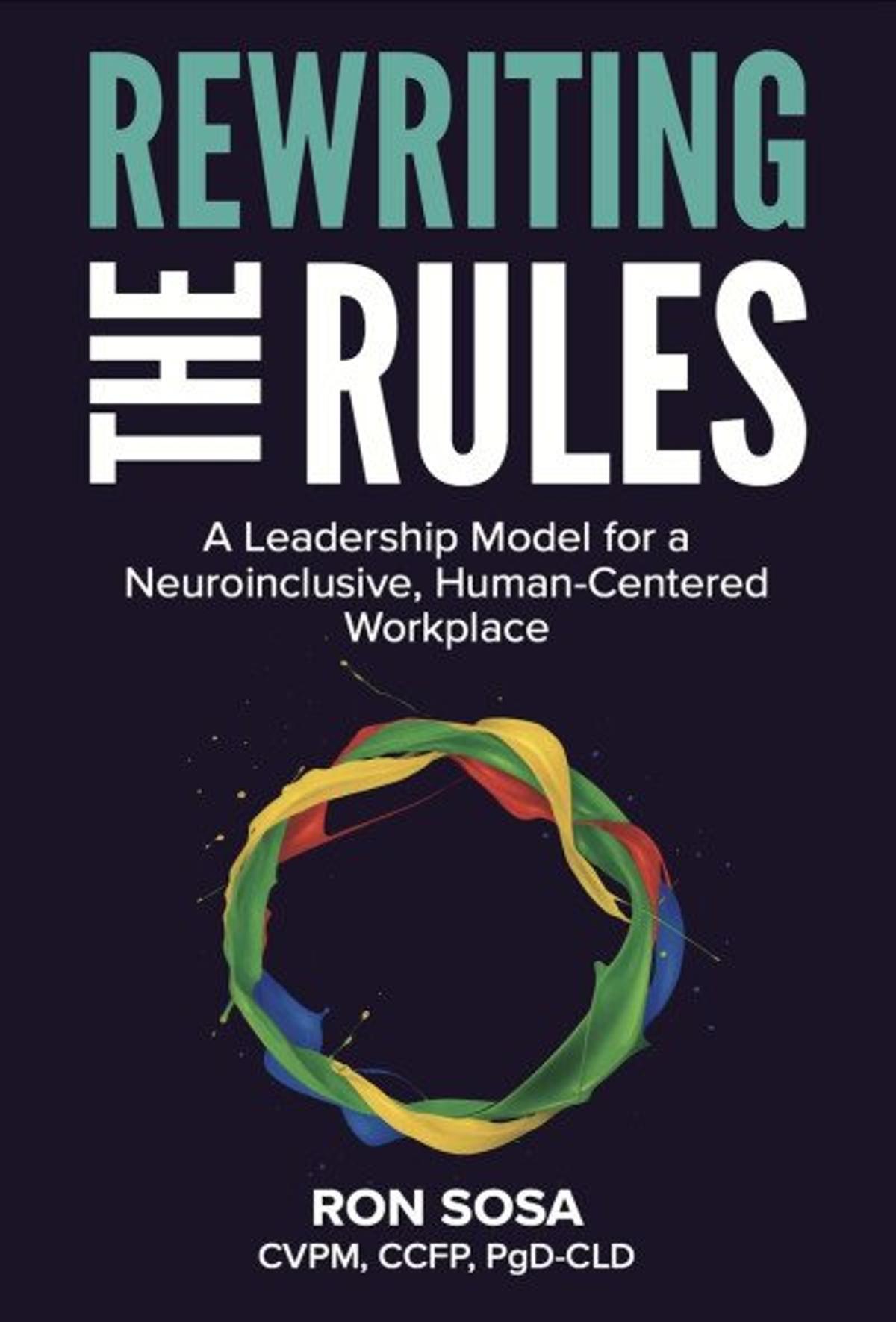
Book Review: Rewriting Leadership for a More Human Workplace
Ron Sosa’s *Rewriting the Rules* challenges the conventional view that leadership problems stem from flawed employees, arguing instead that many workplace systems reward conformity and mask neurodivergent talent. Drawing on his veterinary background and personal experience with ADHD and autism, Sosa proposes a human‑centered, neuroinclusive framework called R.I.S.E. (Reflect, Implement, Sustain, Empower). The book blends memoir, critique, and practical prompts, urging leaders to redesign processes for psychological safety and sustainability. Its themes echo Lean principles such as respect for people and continuous learning, positioning the work as a bridge between inclusion advocacy and operational excellence.

Five Leadership Lessons We Can Learn From Memorial Day
The article uses Memorial Day as a lens to extract five leadership lessons rooted in service, sacrifice, and legacy. It argues that true leadership begins by serving others, shows its strength during hardship, and requires long‑term responsibility. Respect for people...

Lean Tips Edition #332 (#4006- #4020)
The article compiles Lean Tips #4006‑#4020, offering a concise playbook of leadership behaviors that drive sustainable continuous‑improvement. It emphasizes Gemba walks, barrier removal, coaching, clear communication, recognition, alignment, safe experimentation, daily engagement, capability building, cultural modeling, purposeful questioning, and visible...

Gemba Walks: Why Leaders Must Go and How to Do It Right
The article explains that a Gemba walk—visiting the place where value is created—is a leadership practice aimed at observing processes, uncovering hidden problems, and engaging front‑line staff. It stresses that walks must be conducted with humility, open‑ended questioning, and a...
10 Phrases That Accelerate Leadership Progress
The article argues that leadership progress hinges on the everyday words leaders use, presenting ten specific phrases that can accelerate improvement. Each phrase is tied to Lean principles such as problem‑solving, gemba walks, learning from mistakes, and shared ownership. By...

Lean Roundup #203 – April 2026
Lean Roundup #203 curates the most insightful Lean and continuous‑improvement blog posts published in April 2026. The collection spotlights topics ranging from Gemba walks and Toyota’s AB control to AI‑driven insourcing and the pitfalls of unsustainable improvements. Contributors such as...
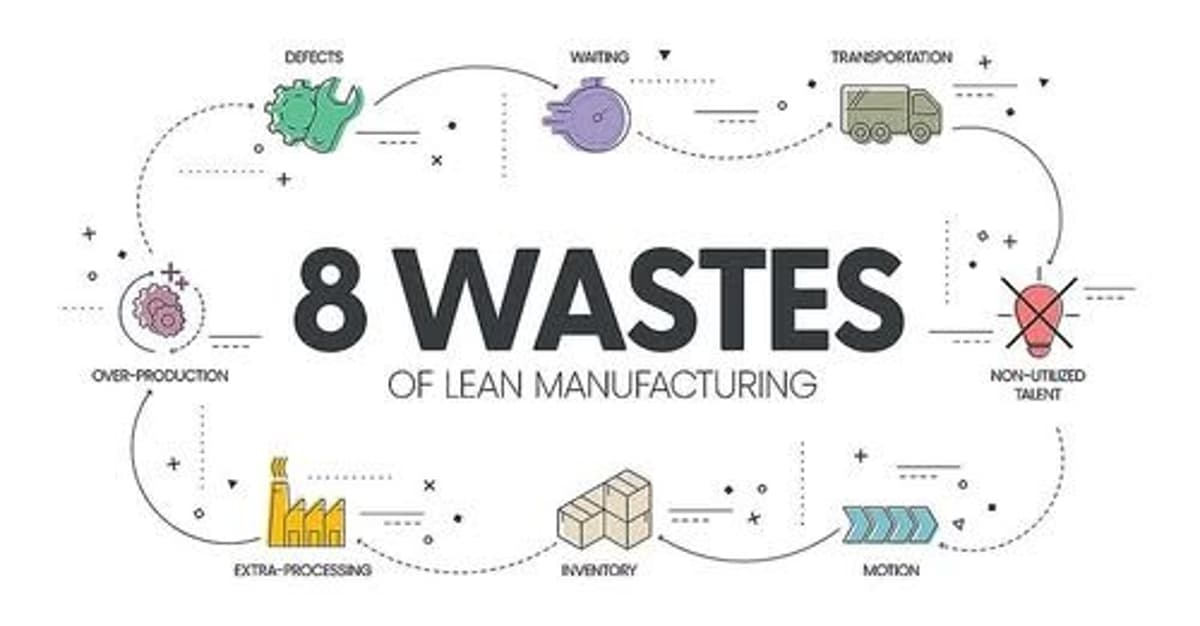
The 8th Waste in Modern Environments
A recent rental car pickup illustrated all eight Lean wastes, from waiting and overprocessing to the often‑overlooked waste of untapped human potential. The author details the experience in a Quality Magazine article, showing how inefficiencies appear outside factories. The piece...

10 Phrases That Kill Leadership Progress
The article lists ten common phrases that silently sabotage leadership effectiveness, from “We’ve always done it that way” to “I already know that.” Each expression reinforces rigidity, hierarchy, or disengagement, eroding trust and stifling continuous improvement. By spotlighting what not...
Lean Tips Edition #331 (#3991- #4005)
A Lean Journey post bundles Lean Tips #3991‑#4005, urging organizations to embed reflection, learning‑focused metrics, visual work management, and consistent leadership behaviors into daily practice. The tips stress that decision quality improves when outcomes are reviewed, goal tracking should reveal...

Lean Quote: Every Problem Is a Gift
Taiichi Ohno’s famous Lean maxim—“Every problem is a gift”—is highlighted as a reminder that problems are not disruptions but the core of improvement. The article argues that many organizations hide or rush to fix issues, missing the learning opportunity they...

Why Eliminating Waste Alone Doesn’t Work: Understanding Muda, Muri, and Mura
Lean initiatives often zero in on Muda—the visible waste—only to see the same inefficiencies resurface. The article argues that without first tackling Muri (overburden) and Mura (unevenness), waste elimination is merely a temporary fix. Toyota’s proven sequence—address Muri, then Mura,...

Practicing Respect & Developing Mutual Trust
The article highlights the “Respect for People” pillar of Lean, originally from Toyota, as a cultural foundation that drives continuous improvement. It argues that mutual trust—rooted in both competence (can‑do) and character (will‑do)—is essential for genuine engagement and problem solving....

5 Keys to Leveraging Your Time: Applying Lean Thinking to Maximize Impact
Applying lean thinking to personal productivity helps professionals treat time like a value stream, cutting waste and boosting impact. The article outlines five actionable steps: audit and eliminate non‑value‑added tasks, focus on high‑value activities using the Pareto principle, standardize recurring...
Lean Tips Edition #323 (#3976- #3990)
The Lean Tips Edition #323 compiles tips #3976‑3990, emphasizing reflection, process‑focused goal setting, small experiments, and clear ownership as drivers of continuous improvement. It highlights how structured reflection turns activity into insight, how goals should challenge processes rather than people,...
Lean Roundup #202 – March 2026
The March 2026 Lean Roundup #202 aggregates standout blog posts from leading lean thinkers, covering failure recovery, imaginative strategy, hidden problems, Theory of Constraints, leanshoring, vector‑based change, and leadership overreaction. It highlights Jim Womack and Kevin Nolan’s advocacy for leanshoring...