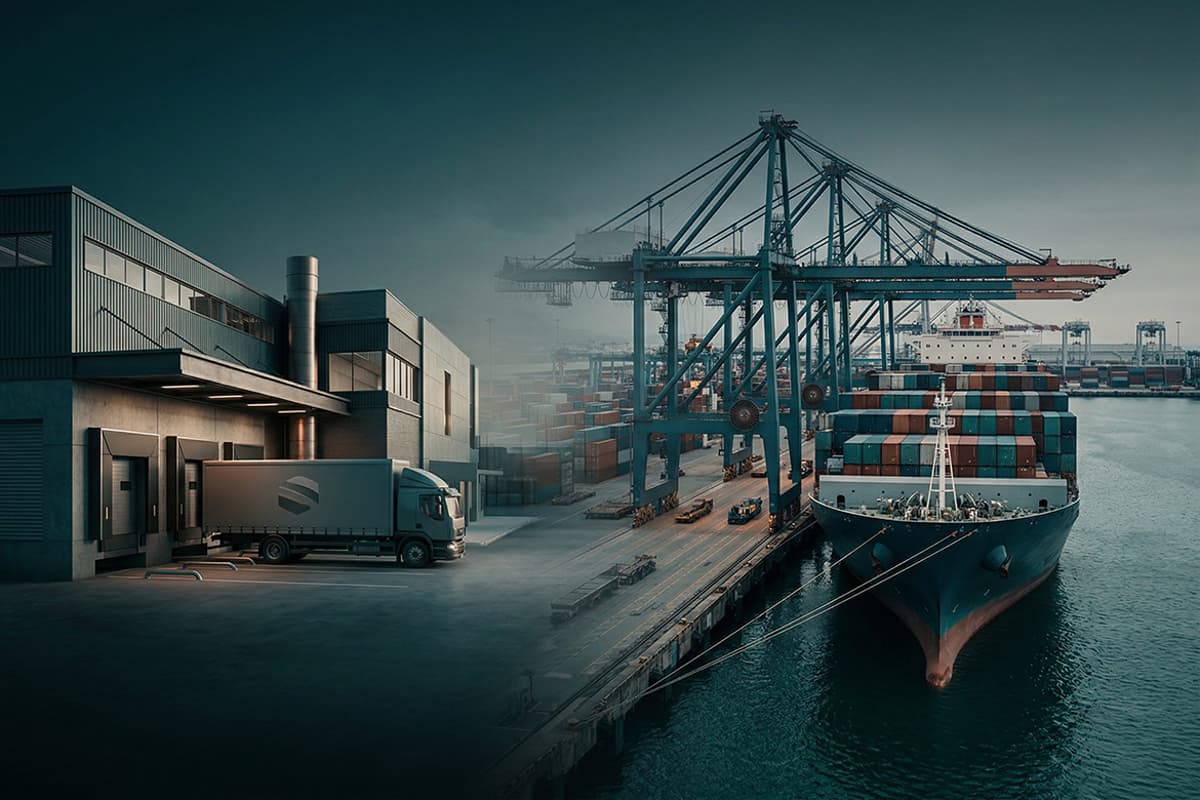
Domestic Sourcing Vs. Global Sourcing: A Logistics Cost Analysis in the Reshoring Era
Five years after COVID‑19 disruptions, companies are re‑evaluating domestic versus global sourcing as logistics costs rise. Domestic suppliers charge higher material and labor prices but offer shorter transport, lower tariffs, and more predictable lead times. Overseas producers provide cheaper unit costs yet add shipping, customs, tariff and currency risks that inflate total landed cost and inventory needs. The article argues that a hybrid sourcing model often balances cost, speed and control.

10 Tips for Smarter MRO Stocking Before Parts Disrupt Workflow
Rising oil prices, geopolitical tensions and material shortages are stretching MRO lead times to weeks or months, forcing a shift from reactive to proactive stocking. The article outlines ten practical steps, from prioritizing critical spares to integrating digital inventory tools,...

Why Supply Chain Leadership Roles Are Taking Longer to Fill
Director and VP‑level supply‑chain searches now routinely take three to four months, with C‑suite hires lasting even longer. The lag is driven by three structural forces: the role’s rapid evolution outpacing the talent market, a thinning pipeline of mid‑career professionals,...

Right-Sizing Packaging: A Practical Strategy To Reduce Material Waste And Freight Spend
Right-sized packaging tailors boxes to product dimensions, eliminating excess space and material. By leveraging on‑demand box‑making technology, companies can produce custom boxes in real time, aligning with carriers’ dimensional weight pricing. The approach can slash freight spend by up to...

How to Schedule Industrial Cleaning to Avoid Downtime in Fast-Paced Supply Chains
Modern warehouses operate 24/7, making any downtime costly. Siemens reports unplanned downtime in fast‑moving consumer goods averages $36,000 per hour and is rising. Neglected industrial cleaning—dust on conveyors, motors, and high‑level surfaces—can trigger equipment failures, fire hazards, and product contamination,...

The Cost of Sticking to Outdated Systems in the Logistics World
The logistics sector still relies heavily on email chains and Excel spreadsheets for bookings, rate confirmations, and delivery orders, despite the broader shift toward AI and automation. While emails appear cost‑free, they generate hidden expenses through time wasted searching for...

Unleashing the Beast: Inside Monster Energy’s Supply Chain
Monster Energy’s supply chain blends decentralized bottling, global ingredient sourcing, and sophisticated demand forecasting to keep its iconic cans on shelves worldwide. The brand partners with regional co‑packers and leverages a Coca‑Cola distribution network, allowing rapid adaptation to local markets...
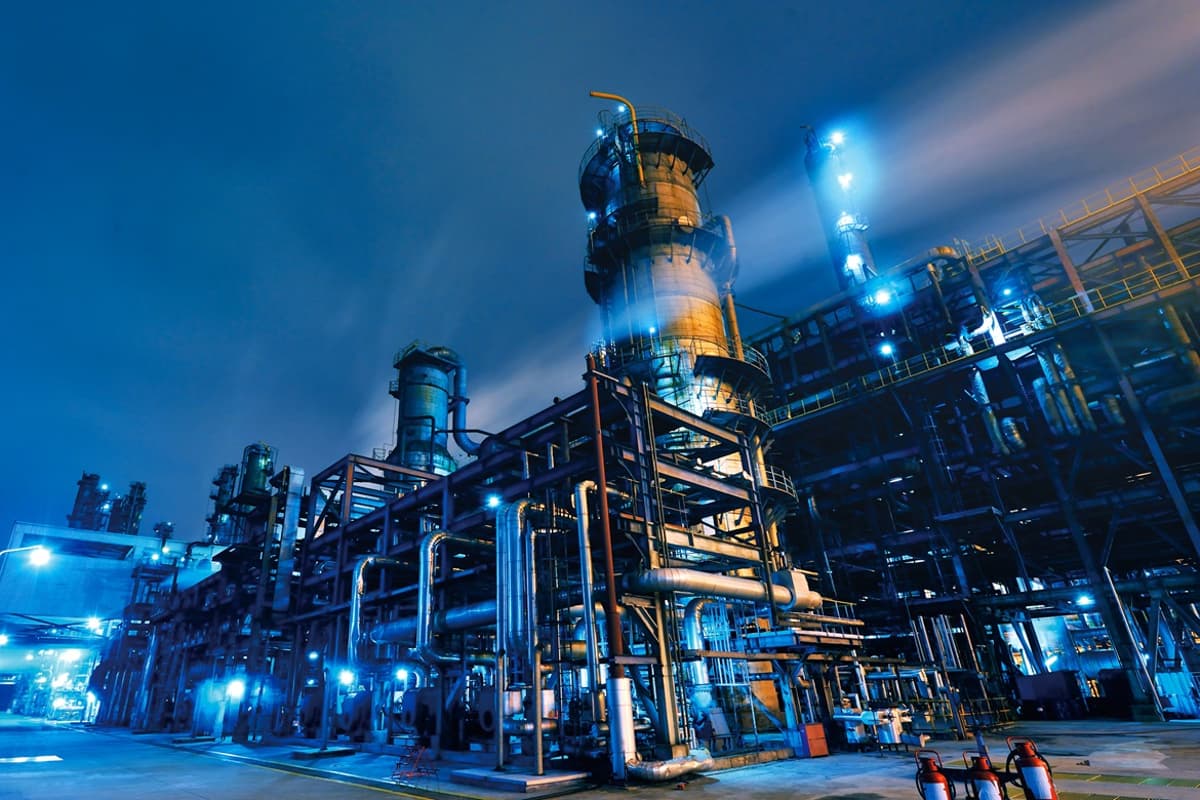
Securing Your Supply Chain: The Complete Guide to Sourcing Verified OCTG Materials
Supply chain risk is rising for oil‑and‑gas and heavy‑industry firms, prompting a sharper focus on sourcing verified oil country tubular goods (OCTG). Global demand reached 16 million metric tons in 2024, with seamless tubes accounting for more than half. Verification—through mill...
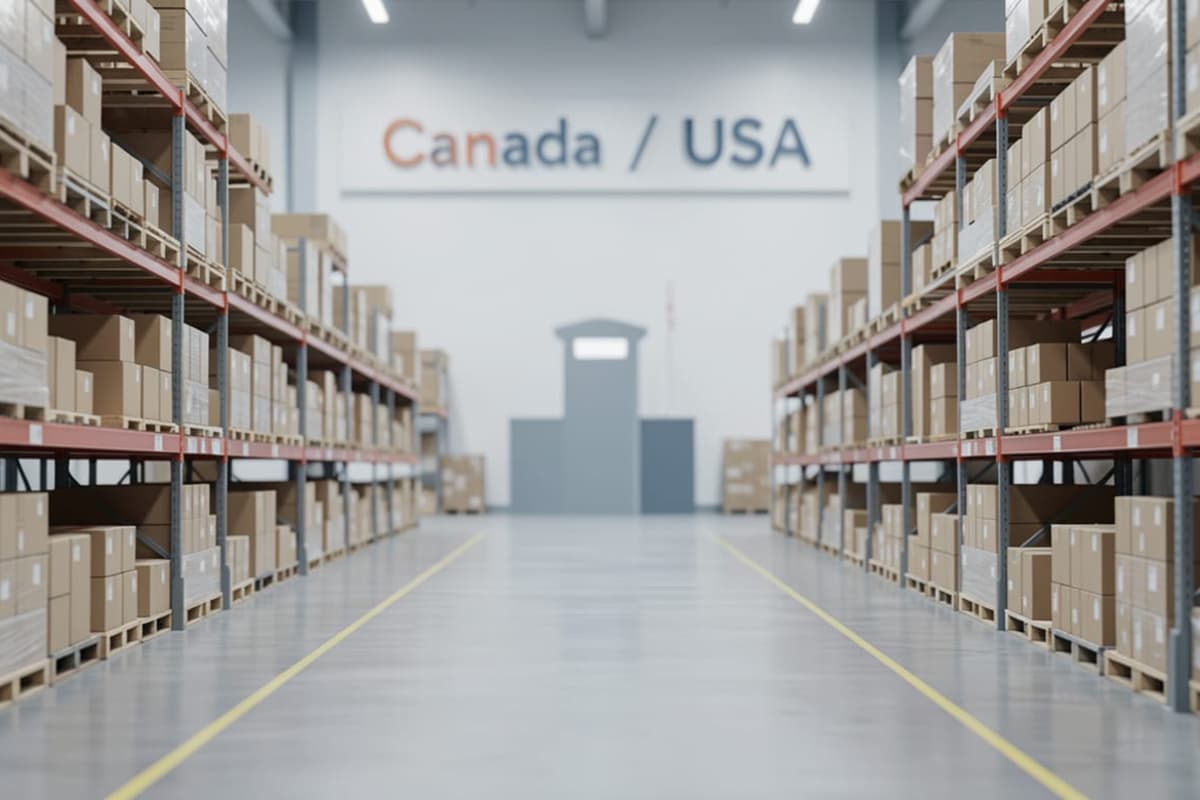
The Benefits of Leveraging a Canadian Warehouse or 3PL for American Companies with Canadian Orders
U.S. companies with regular Canadian orders are re‑evaluating fulfillment strategies as border delays, rising transportation costs, and recent tariff changes erode the efficiency of U.S‑centric models. Positioning inventory in Canada—either via owned warehouses or third‑party logistics providers—removes the final customs...

How Small Incidents Can Ripple Through the Supply Chain
Even minor incidents can trigger a rock‑in‑a‑pond effect that reverberates through global supply chains, as illustrated by the 2021 Ever Given blockage that stalled $9.6 billion of goods daily. A recent study shows 52 % of companies lose more than a month...