![[Guest Post] Inviting Dimmer Cousins to the Party](/cdn-cgi/image/width=1200,quality=75,format=auto,fit=cover/https://astrobites.org/wp-content/uploads/2026/05/lsbg_vs_hsbg_meme.jpg)
[Guest Post] Inviting Dimmer Cousins to the Party
A new MNRAS open‑access paper examines 124 HI‑bearing low‑surface‑brightness galaxies (LSBGs) using the baryonic Tully‑Fisher relation (BTFR). The authors find that LSBGs lie on the same BTFR as 210 high‑surface‑brightness galaxies, showing identical slopes and normalizations. This alignment suggests LSBGs form in dark‑matter haloes with unusually high spin rather than requiring exotic dark‑matter densities or extreme feedback. Consequently, LSBGs are ordinary disk galaxies that follow the same fundamental mass‑rotation link as their brighter counterparts.
In to the Multiverse (of Opinions): Do Physicists Actually Agree About the Universe?
The Big Mysteries Survey queried 1,675 physics‑interested respondents about foundational topics, revealing a nuanced landscape of belief rather than uniform consensus. Most physicists (68%) view the Big Bang as a hot, dense state without insisting on an absolute beginning, while...
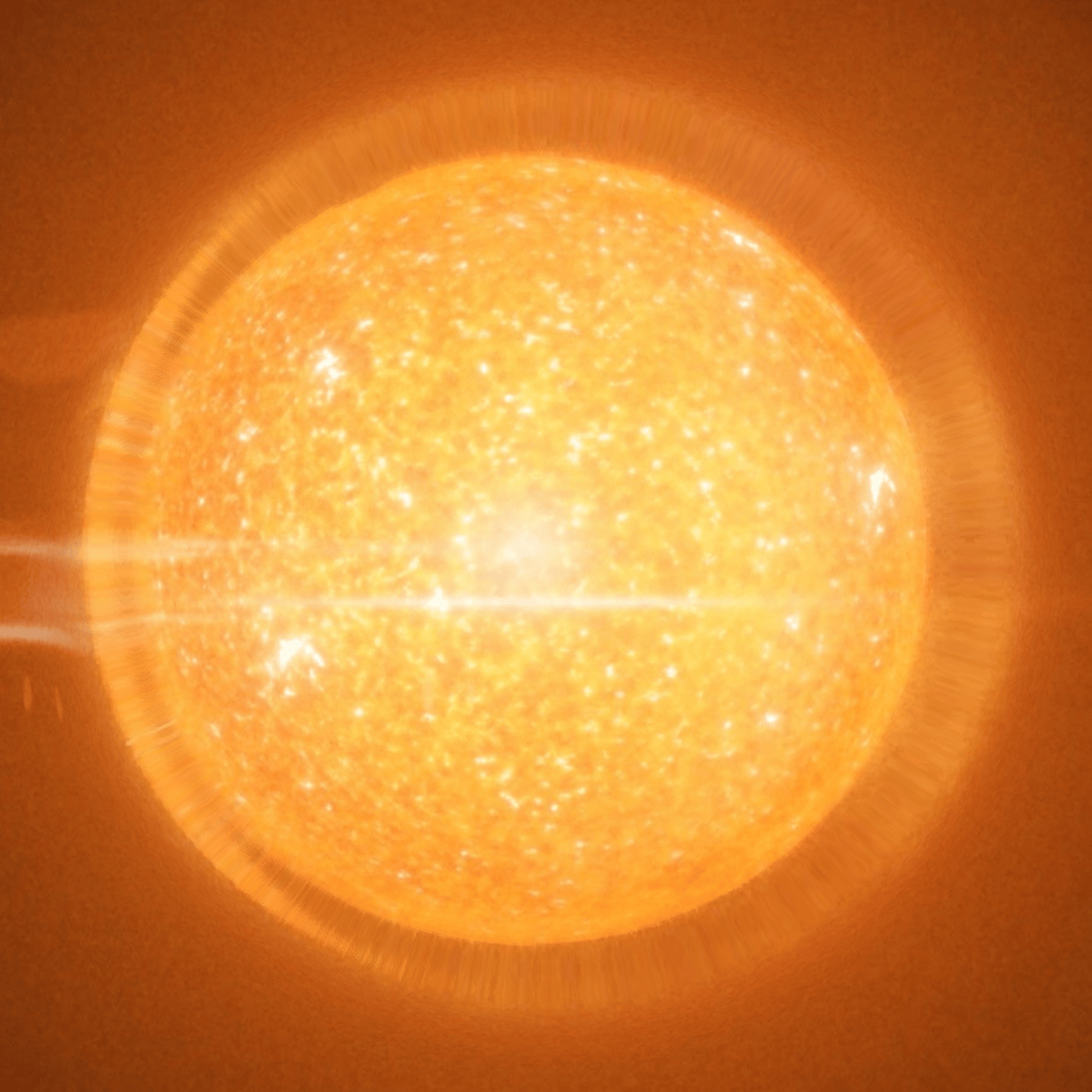
Seeing Stars: Juicing up JWST with 5000x Magnification
A new arXiv paper leverages JWST’s deep GLIMPSE observations of the galaxy cluster Abell S1063 to identify four individual stars at redshifts as high as 3.72, roughly 12 billion years in the past. Gravitational‑lens magnifications reach nearly 5,000×, allowing the detection of...
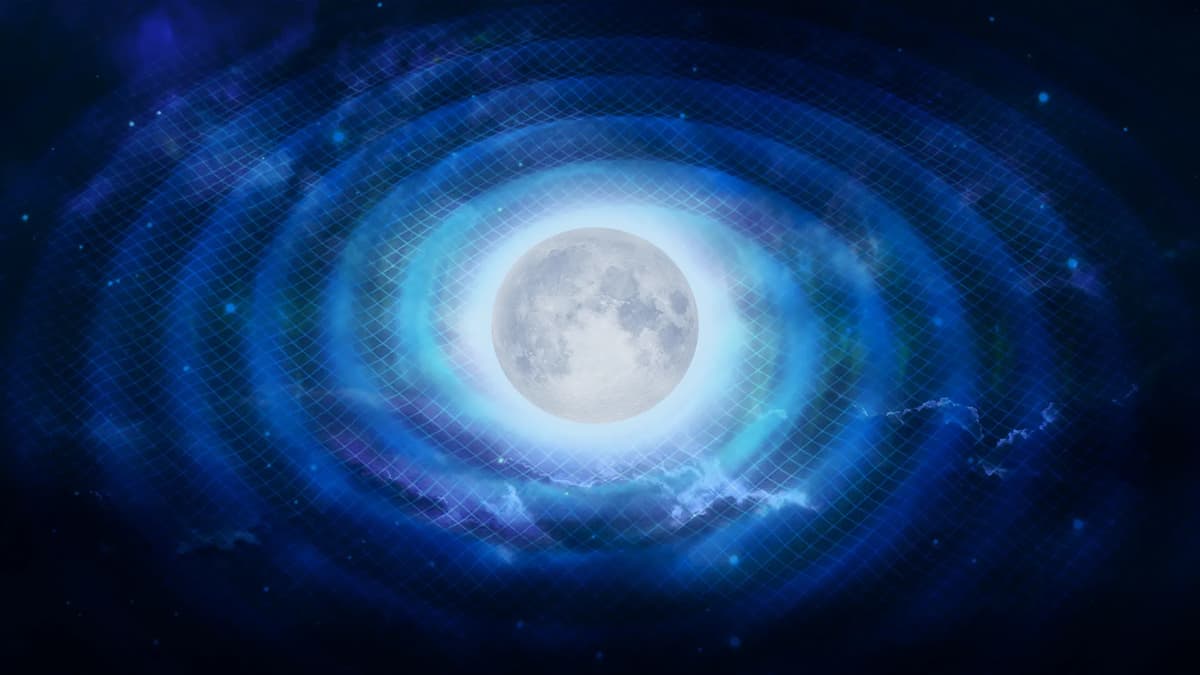
We’re Going to Steal the Moon (For Gravitational Waves)
A new Physical Review Letters paper demonstrates that the Moon’s thick crust can amplify deci‑hertz gravitational‑wave‑induced seismic signals. Using high‑resolution spectral element method (SEM) simulations together with normal‑mode perturbation theory, the authors find a 10‑20 % boost in signal strength where...

The “Rhythm” Of the Interstellar Medium
Astrophysicists Zuzanna Kocjan and Vadim Semenov present a gas‑cycling framework that links three characteristic timescales—supply (τ+), removal (τ–) and depletion (τ*)—to the efficiency of star formation in galaxies. Using high‑resolution simulations of a dwarf, a Milky Way‑like, and a gas‑rich...
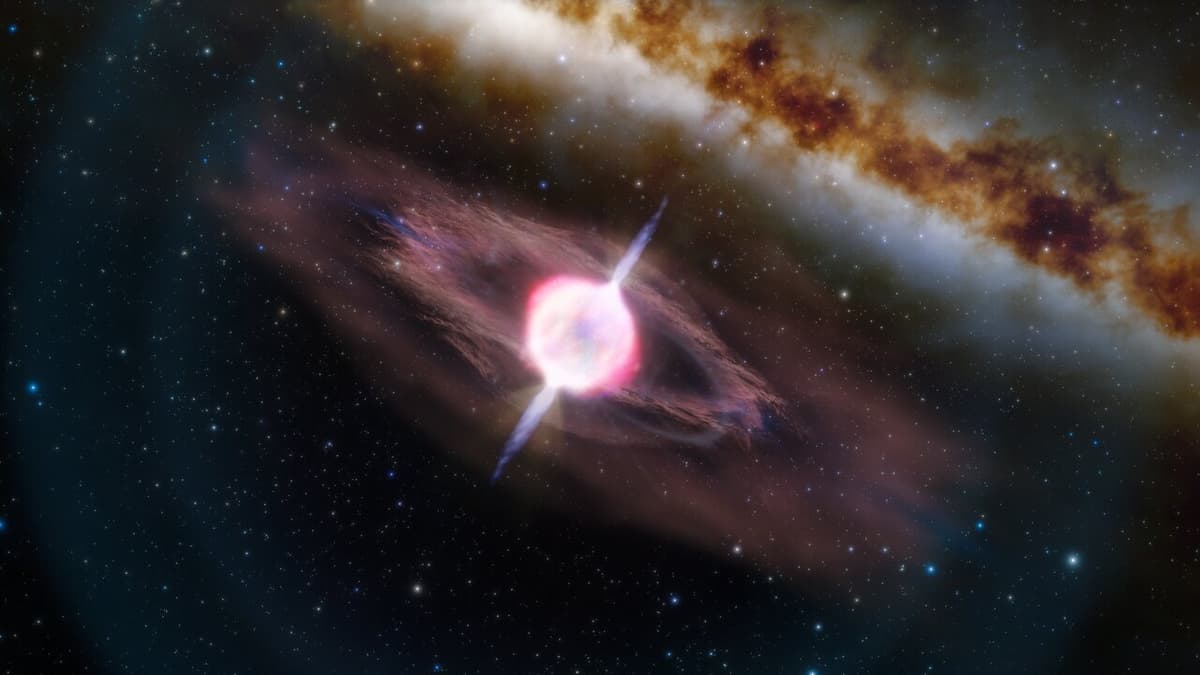
Live Fast Die Immediately – Spinning Black Holes in Collapsars
Researchers used state‑of‑the‑art 3D GRMHD simulations with full neutrino transport to study how black‑hole spin evolves in collapsars. The models compared constant‑density and power‑law density profiles, revealing that slower‑spinning black holes accrete material more rapidly and generate weaker, often unstable...
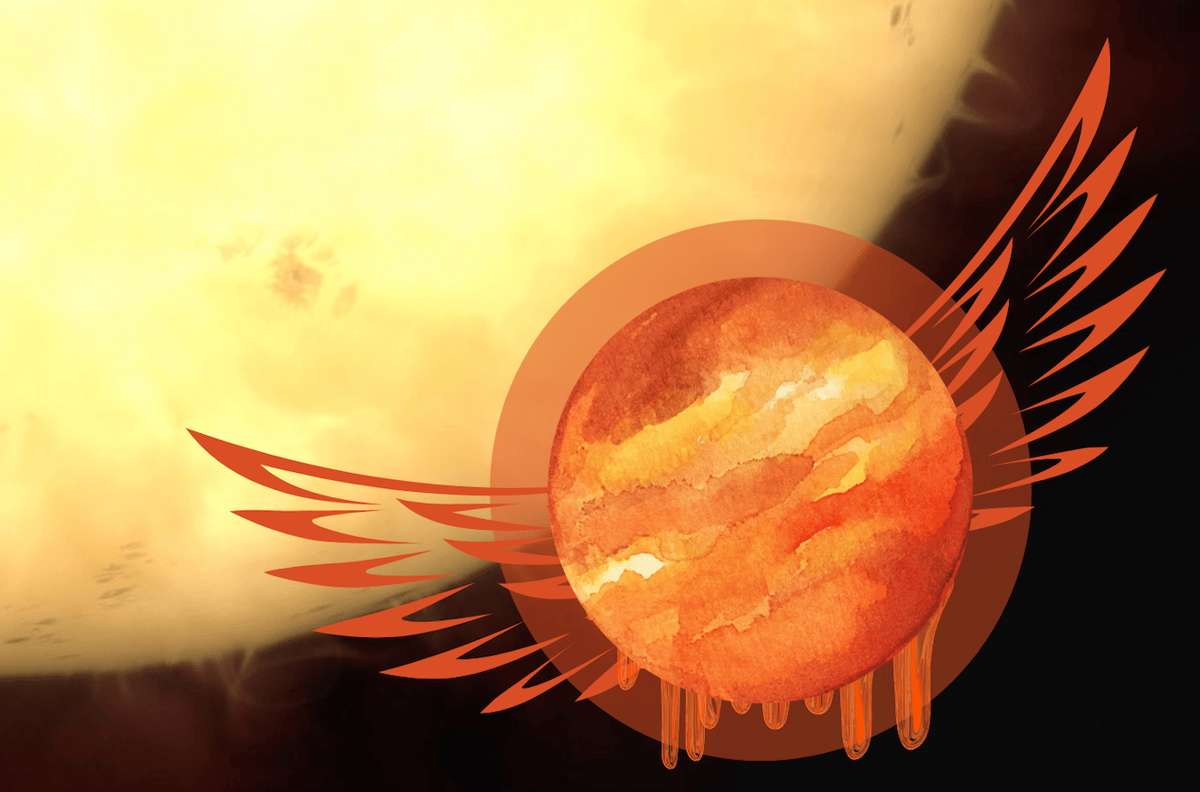
Escaping the Icarian Fate: A Surprisingly Thick Atmosphere on the Ultrahot Super-Earth TOI-561 B
Astronomers used the James Webb Space Telescope to observe four eclipses of the ultra‑short‑period super‑Earth TOI‑561 b, constructing its dayside emission spectrum. The spectrum is inconsistent with a bare, molten rock surface but matches models that include a thick, volatile‑rich atmosphere...

Did Life Begin From Space Dust on Glaciers?
A new Nature Astronomy paper quantifies how much cosmic dust has fallen on Earth and shows that early‑Earth glaciers could have acted as natural reactors for prebiotic chemistry. Modern Earth receives about 4,700 metric tons of space dust annually, but the...
Rewinding Exoplanetary Clocks: L 98-59 D Opens up Research Into a New Type of Molten Worlds
A new Nature Astronomy paper models the super‑Earth L 98‑59 d and finds it likely began with a hydrogen‑rich, oxygen‑poor interior that has kept a global magma ocean into the present. By running hundreds of coupled interior‑atmosphere simulations, the authors narrow the...
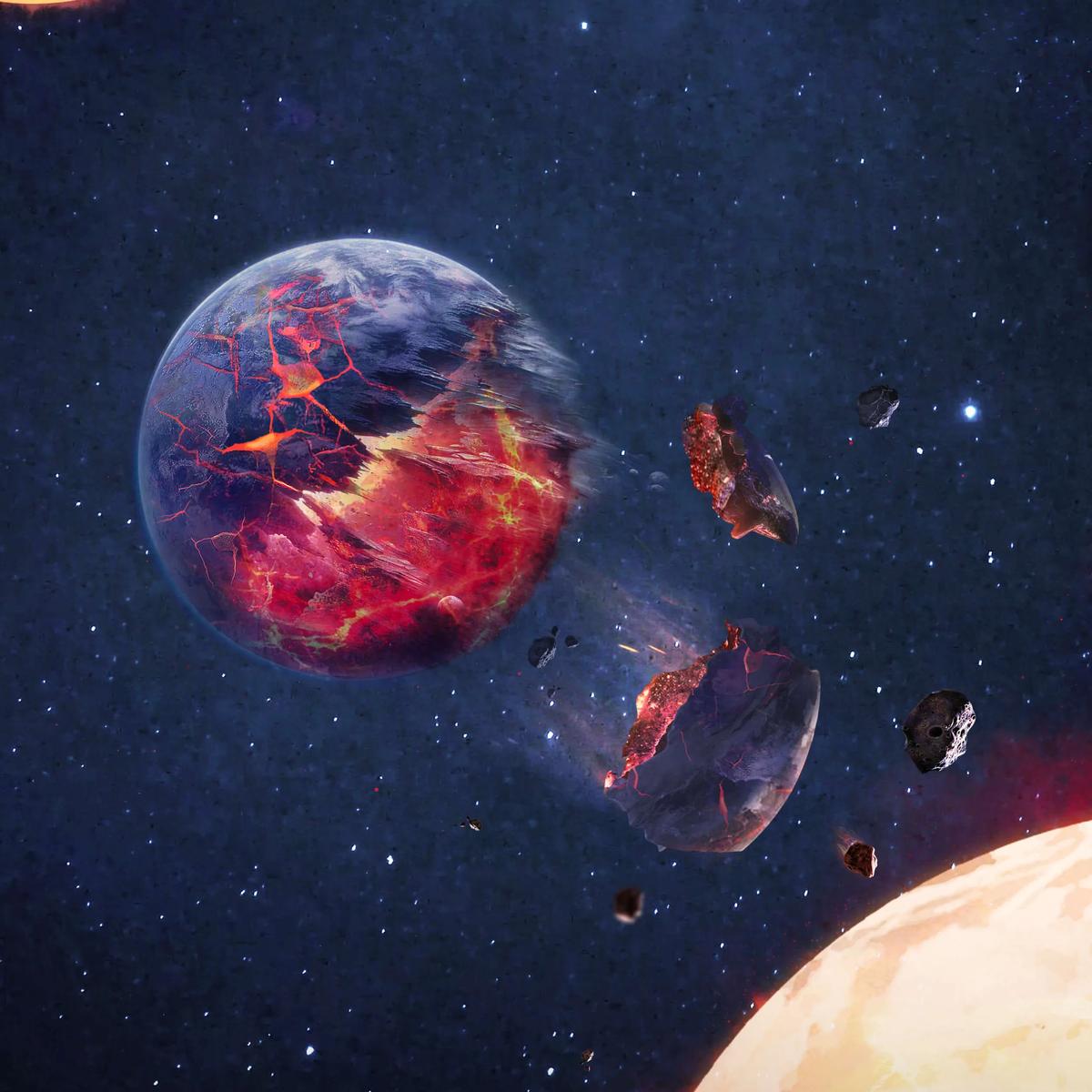
Cosmic Cannibalism: When Stars Eat Their Planets
Astronomers analyzing 91 co‑moving stellar twins discovered that roughly one in twelve Sun‑like stars shows chemical evidence of having devoured a rocky planet. By measuring 21 elemental abundances with high‑resolution spectra from the VLT, Magellan and Keck, the team identified...

A Cosmic Team-Up: How the Stars and Pulsars of the Milky Way Could Unmask the Early Universe
Physicists have proposed combining pulsar timing arrays with precise astrometric measurements to sharpen detection of the low‑frequency stochastic gravitational‑wave background. By cross‑correlating pulsar time‑delay data with tiny shifts in star positions, the method could reveal the dipole anisotropy that distinguishes...
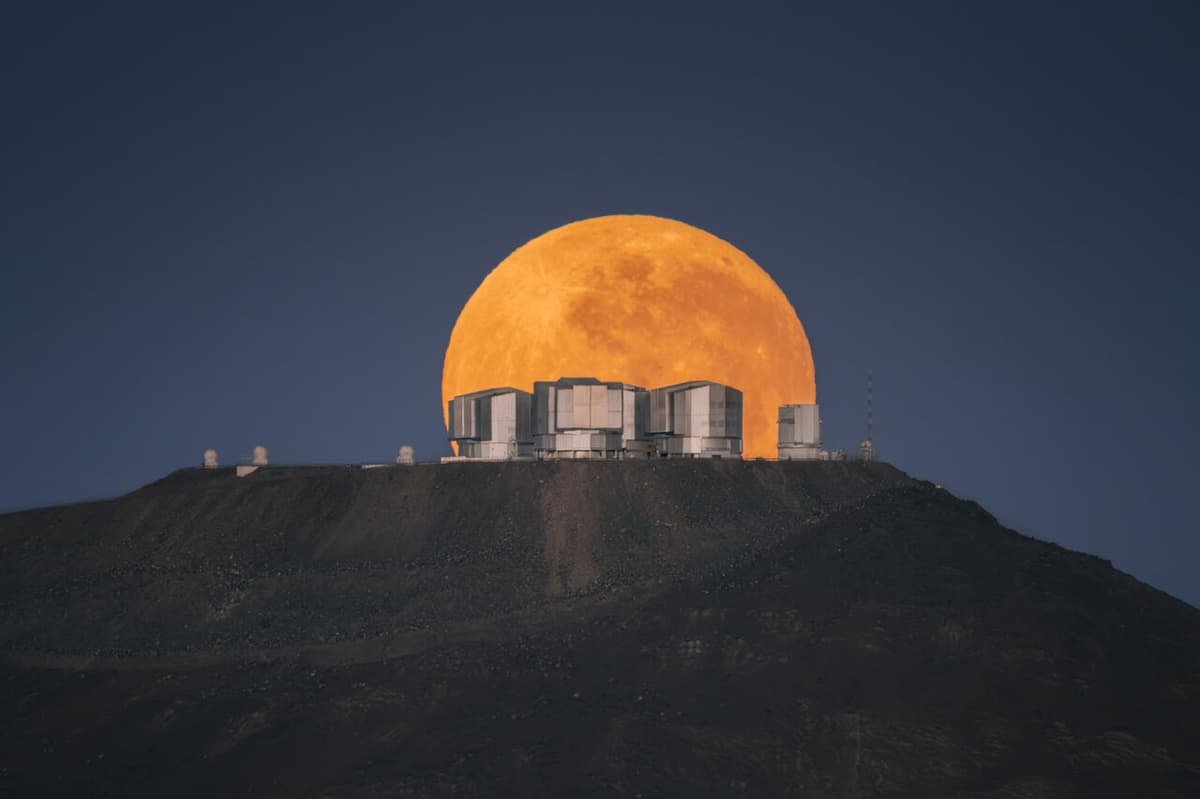
Australia Is Closing Its Very Large Eyes to the Universe
Australia will let its 10‑year strategic partnership with the European Southern Observatory lapse in 2027 and has decided against pursuing full ESO membership. The partnership, funded with $130 million since 2017, gave Australian astronomers preferential access to the VLT, the VLTI...
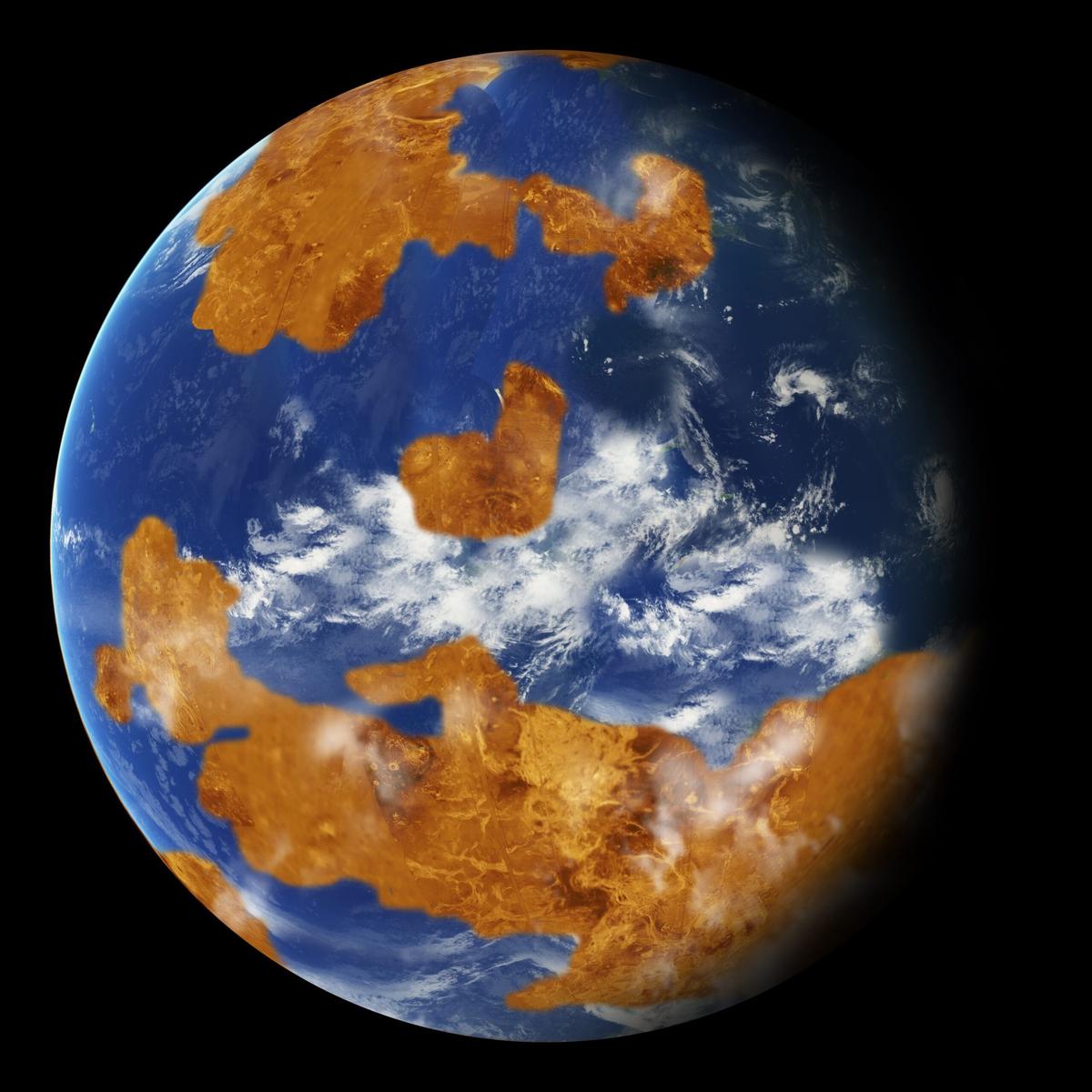
Can Arid Planets Keep Their Cool?
A new study models the long‑term carbon cycle on Earth‑like planets with varying water inventories. The authors find that a planet must retain at least 20‑50% of Earth's ocean mass to keep weathering and volcanic CO₂ in balance. Below this...

AI All the Way Down
A new arXiv paper simulates 144 synthetic astrophysicists to test large language model (LLM) assistance across 2,592 research tasks. Using Qwen3:8B and DeepSeek‑R1, the study finds AI improves writing‑heavy activities but harms quantitative derivations, often producing confident yet wildly incorrect...

The Final Frontier for the Circular Economy
The paper “Resource and material efficiency in the circular space economy” highlights the mounting problem of space debris and the industry’s reliance on a linear material flow. It outlines a three‑pronged R3 framework—reduce, reuse, recycle—to cut material intensity, citing AI‑driven...