
News•Mar 12, 2026
Untitled
Astronomers using Chandra, Hubble and infrared telescopes have imaged the astrosphere of HD 61005, a Sun‑like star 120 light‑years away and only 100 million years old. The star’s powerful stellar wind has carved a bubble roughly 200 AU across, pushing aside surrounding dust and gas. The bubble, dubbed the "Moth" due to wing‑shaped debris seen by Hubble, offers a rare glimpse of a young star’s protective envelope. This observation parallels our Sun’s heliosphere, highlighting how stellar winds evolve over time.
By Astronomy Picture of the Day (APOD)
News•Mar 12, 2026
Untitled
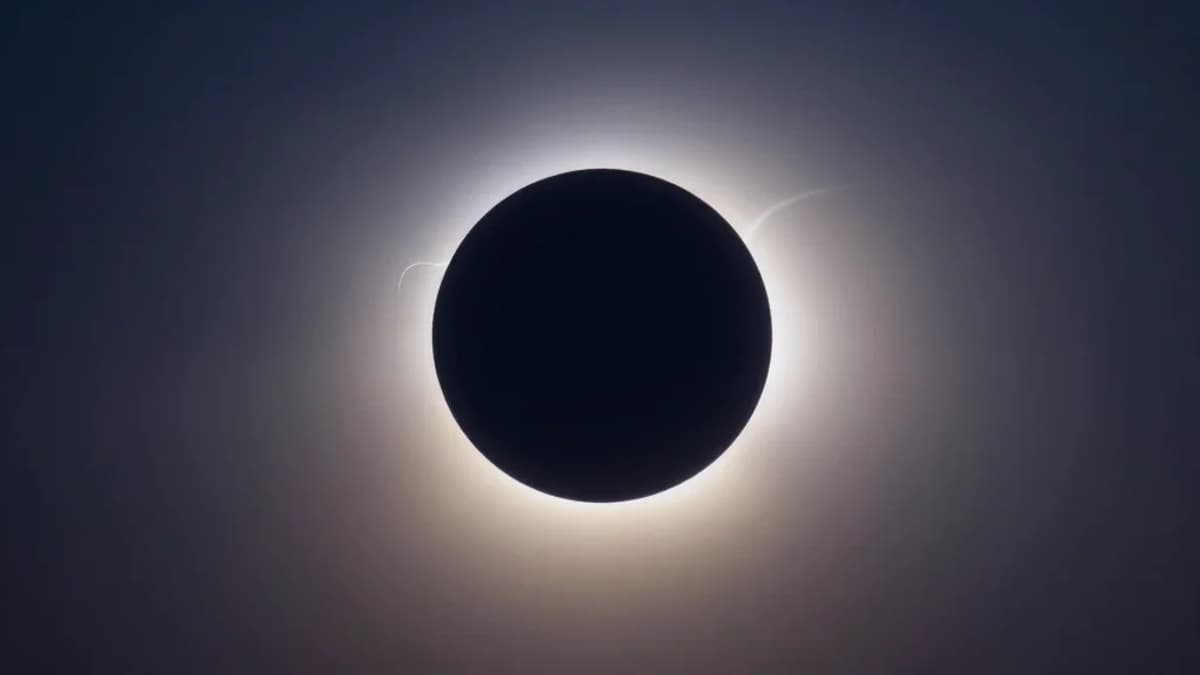
NASA’s Astronomy Picture of the Day posted March 7, 2026 features two total lunar eclipses from Saros 133, one captured in February 2008 and the other on March 3, 2026. The side‑by‑side comparison illustrates how eclipses separated by one Saros period (18 years, 11⅓ days) produce nearly identical geometry....
By Astronomy Picture of the Day (APOD)
News•Mar 12, 2026
Untitled
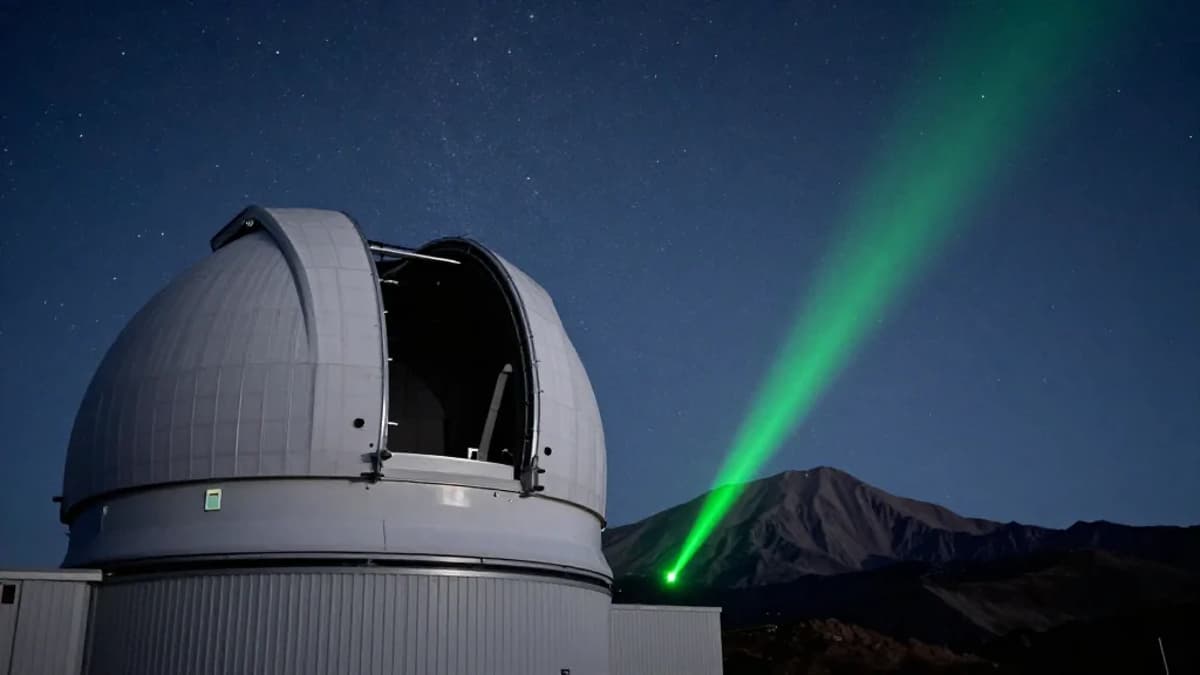
Astronomers at Chile’s Paranal Observatory are using powerful lasers to generate artificial guide stars, a cornerstone of modern adaptive‑optics systems. These laser‑created points of light allow telescopes to measure and correct atmospheric turbulence in real time, dramatically sharpening images of...
By Astronomy Picture of the Day (APOD)
News•Mar 12, 2026
Untitled
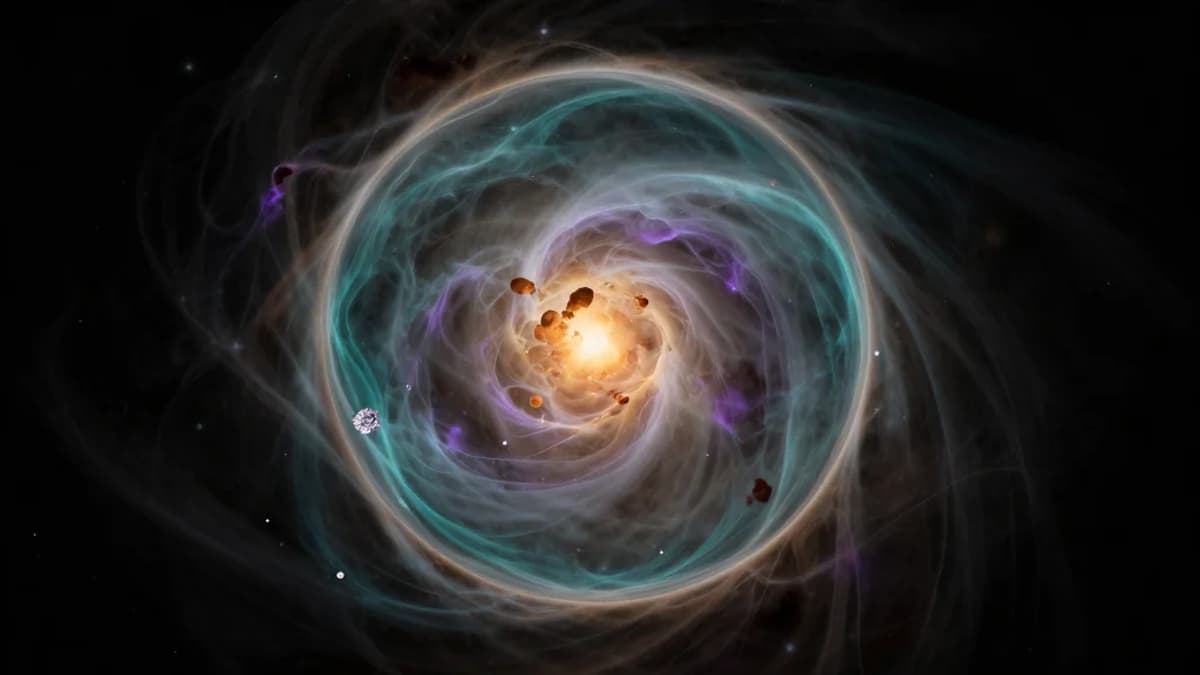
The James Webb Space Telescope captured a striking mid‑infrared image of the Cranium Nebula, whose brain‑like silhouette has sparked scientific intrigue. Astronomers are divided between classifying it as a planetary nebula surrounding a white dwarf or as a massive Wolf‑Rayet...
By Astronomy Picture of the Day (APOD)
News•Mar 12, 2026
Untitled
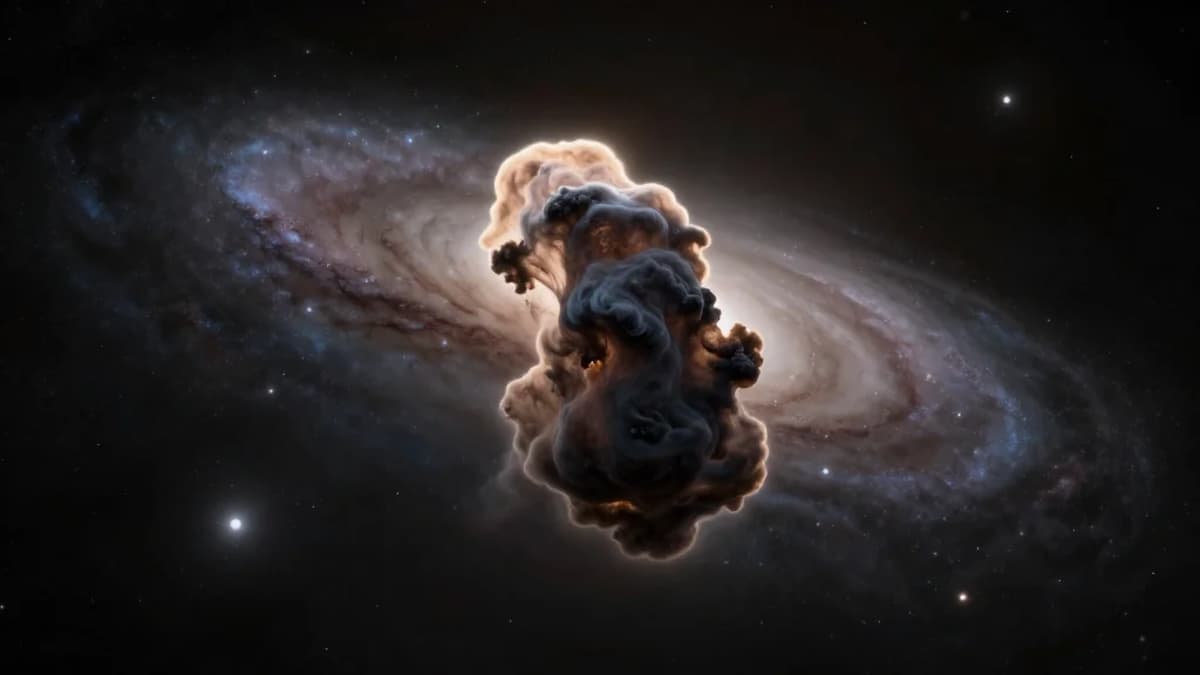
NASA’s Astronomy Picture of the Day features cometary globule CG 4, a molecular cloud 1,300 light‑years away in Puppis. The globule’s head spans 1.5 light‑years while its tail stretches eight light‑years, resembling a comet’s shape. Researchers link its elongated tail to...
By Astronomy Picture of the Day (APOD)
News•Mar 12, 2026
Untitled
NASA's James Webb Space Telescope captured a near‑full rotation of Uranus using its NIRSpec instrument. Over 1,000 spectra were collected during a continuous 15‑hour observation, revealing the planet’s ionosphere, auroral emissions, and cloud dynamics. The video provides a three‑dimensional view,...
By Astronomy Picture of the Day (APOD)