
After Earth Day, Understand The Transit Compromise To Grasp Efficiency
Forbes reports that post‑Earth Day transit planners are turning to autonomous, van‑sized vehicles as a more energy‑efficient alternative to traditional buses and rail. The smaller microtransit units achieve higher occupancy rates because on‑demand routing reduces empty seats. Self‑driving technology further improves service frequency and route flexibility, cutting overall fuel consumption. Analysts see this shift as a pragmatic compromise between sustainability goals and rider convenience.

Urbanists Hate Cars. Should They Hate Electric Robotaxis?
Forbes argues that while urbanists traditionally oppose personal cars, the rise of electric robotaxis could reshape that stance. Autonomous, electric fleets promise to cut private vehicle ownership, lower emissions, and improve road utilization. However, critics warn that robotaxis might increase...

Does Tesla Really Have A Robotaxi? They Don't Make It Easy To Find Out
Tesla has quietly broadened the geographic footprint of its driver‑less ride‑hailing pilot, adding new zones around Austin, Texas. The rollout lacks a public booking interface, suggesting the service remains limited to select beta participants. While the expansion signals progress toward...

Baidu Silent About Failure Of 100 Robotaxis In Wuhan
Baidu's Apollo robotaxi fleet in Wuhan experienced a mass failure, with roughly 100 vehicles freezing in traffic and leaving passengers stranded. The incidents caused minor collisions as cars halted mid‑lane. Baidu has remained silent, offering no public explanation or remediation...

The Core Rules Of EV Charging Infrastructure Are About To Change
Upcoming regulatory revisions will reshape EV charging infrastructure by mandating automated, robot‑assisted stations that autonomous vehicles can navigate to themselves. The new rules emphasize rapid charging speeds, standardized connector designs, and integration with smart‑grid management to handle higher demand. Industry...

United Airlines Misses Opportunity With Polaris Companion Ottoman
United Airlines’ Polaris business‑class cabin features a companion ottoman designed to extend the seat for a second passenger, yet the airline has not packaged it with an adjacent economy seat. The omission leaves a gap in United’s product offering, especially...

My Waymo Ride From The Airport Was Great. Getting To It, Not So Much
Waymo’s autonomous ride‑hailing service at San Francisco International Airport delivered a smooth, safe journey for a passenger, but the pickup point was situated a considerable distance from the terminal gates. The inconvenience was exacerbated when the AirTrain station was closed, forcing...
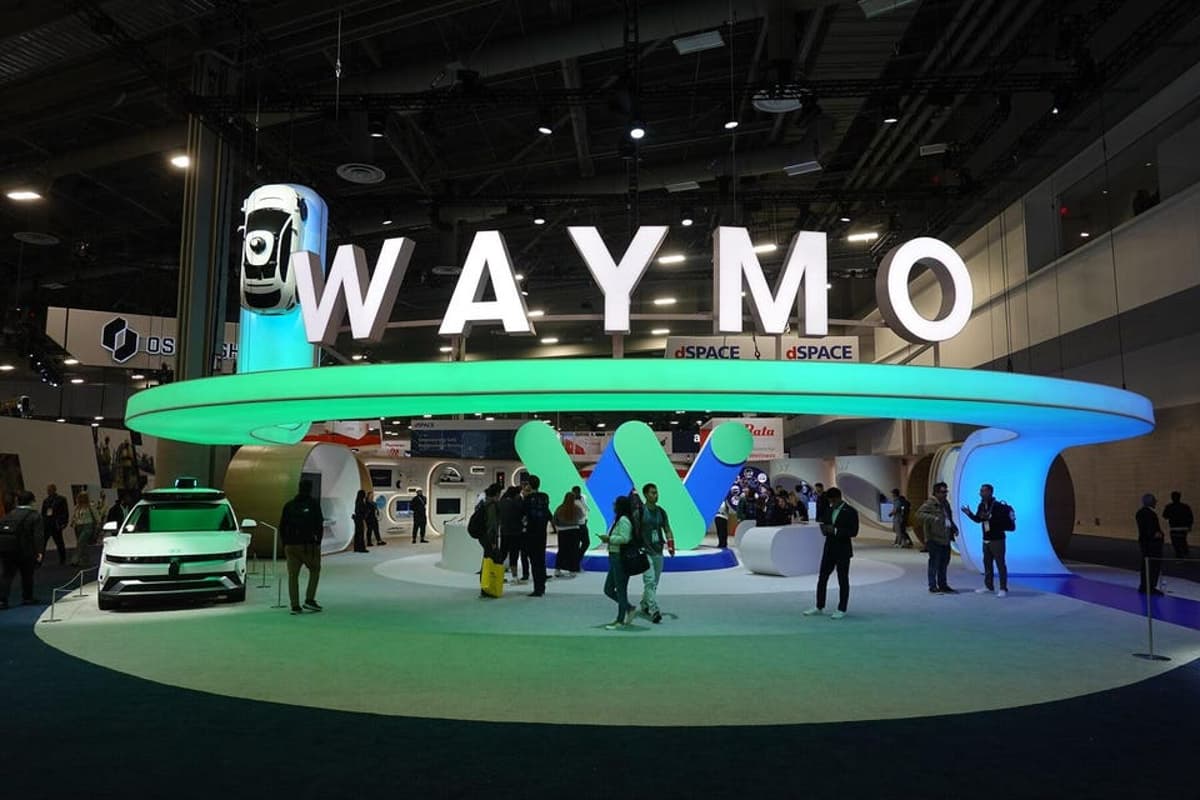
Waymo Gets Shy As Scaling Creates More Incidents; Plus Key New Details
Waymo’s autonomous‑vehicle fleet has accelerated its rollout, but the rapid scaling has coincided with a sharp uptick in reported incidents. The company has become more reticent about publishing detailed safety data, prompting criticism from analysts and regulators. New information reveals...

Waymo Overseas Human Assist Wasn't Secret, But Is It Secure?
Waymo disclosed that a single remote‑assist operator supports roughly 40 autonomous vehicles, a ratio that underscores its reliance on human fallback. The company confirmed that many of these operators are based overseas, a fact previously hinted at but not widely...

Waymo Builds Fancy AI-Based Simulator Tool To Improve Robotaxi Tests
Waymo announced an AI‑driven simulation platform built on Google Gemini that automatically generates diverse driving scenarios for its robotaxi fleet. The tool accelerates testing cycles by creating thousands of edge‑case situations without manual scripting, feeding directly into Waymo’s existing simulation...