
Cold Plunge Breathwork: An Expert’s Guide to Calming Your Nervous System
Cold‑plunge enthusiasts are cautioned against pairing Wim Hof hyperventilation with immersion, a practice linked to shallow‑water blackout and fatalities. Certified breathwork coach Jon Paul Crimi outlines a safer protocol, beginning with three “Transformer Breaths” before entry and a three‑gear breathing system—physiological sigh, Transformer Breath, and nose‑only—while submerged. He also recommends a gradual temperature progression, starting at 50‑51 °F for 1–1.5 minutes and lowering the water by about 1 °F each month. The guide highlights the added efficacy of steel‑walled tubs, which conduct cold more efficiently than acrylic models.
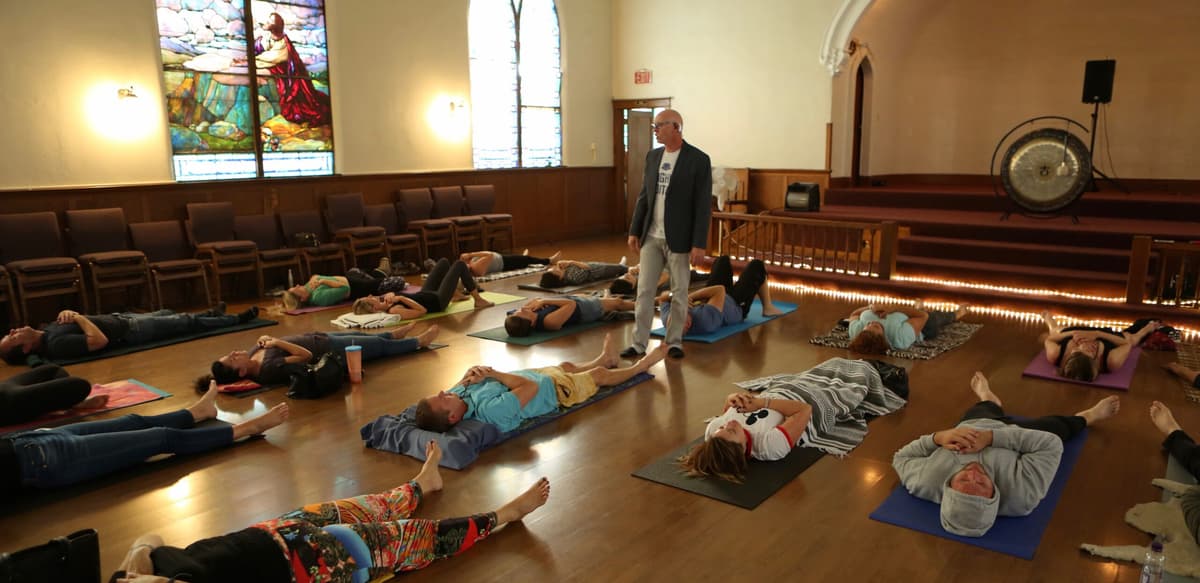
The Role of a Breath Coach in Personal Growth and Wellness
A breath coach provides ongoing, personalized guidance through circular connected breathing, a technique that induces transient hypofrontality and releases stored emotional tension. Unlike group classes or traditional therapy, the coach holds space, offers accountability, and integrates each session’s insights over...

Breathwork Instructor Training: From Beginner to Certified Teacher
Breathwork instructor training goes beyond a simple certification, demanding deep personal practice before you can safely guide others. Programs cover the mechanics of circular connected breathing, the physiological responses it triggers, and how to tailor sessions for diverse clients, from...
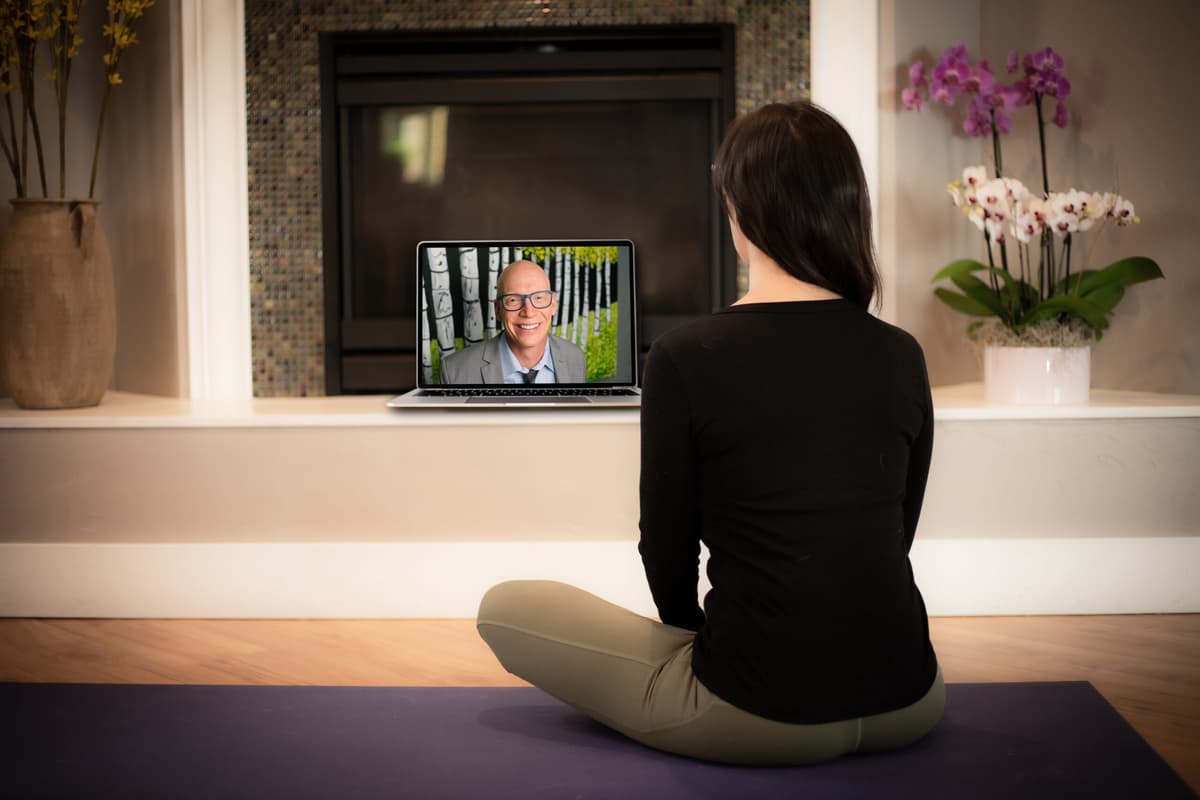
The Benefits of Practicing Breathwork Online: Flexibility Meets Mindfulness
Online breathwork is proving that virtual sessions can match—or even surpass—studio experiences. By practicing in their own homes, participants receive a powerful safety cue that lets the nervous system relax deeper than a physical studio can provide. The flexibility of...
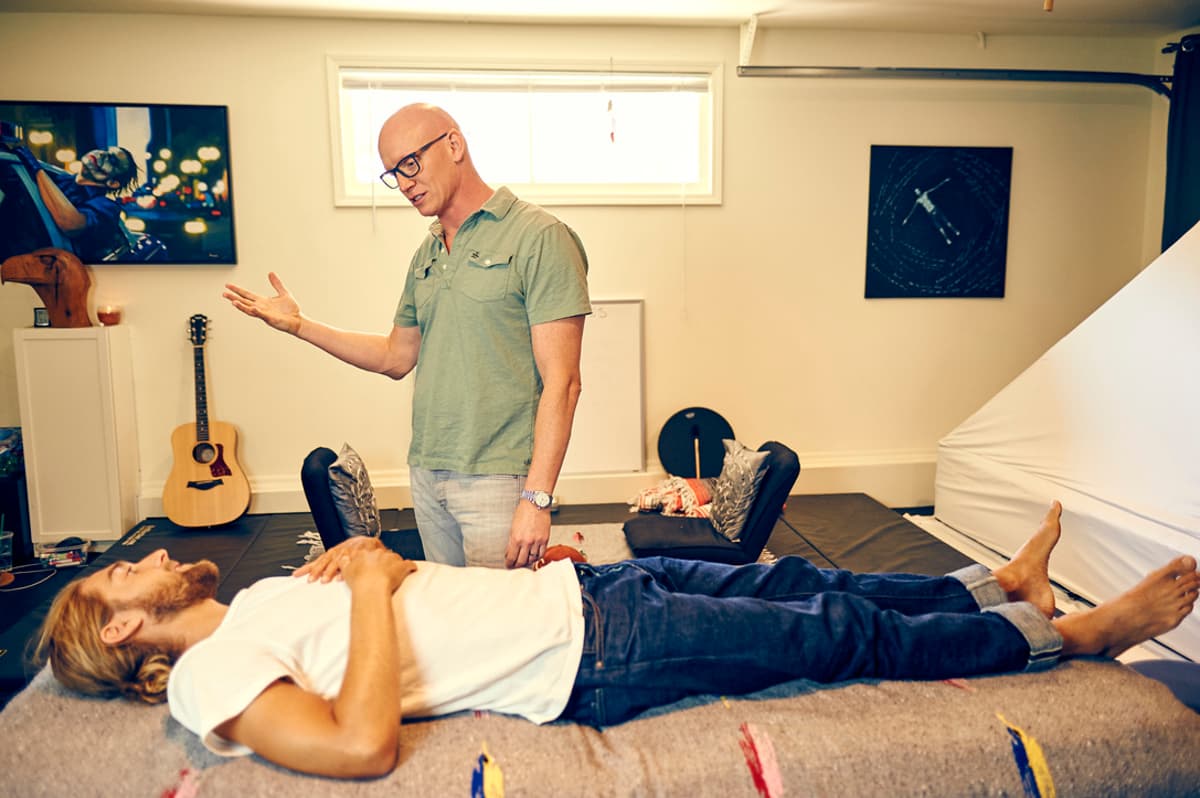
What It Takes to Become a Successful Breathwork Facilitator
Becoming a successful breathwork facilitator goes far beyond earning a certification. The author argues that a consistent personal practice, the ability to hold space without reacting, and rigorous safety training are the true foundations of a lasting practice. Online delivery,...

Breathwork Meditation Techniques to Reduce Stress and Boost Mindfulness
Breathwork and mindfulness are distinct practices: breathwork actively shifts physiology while mindfulness observes mental content. Techniques such as circular connected breathing and six‑second coherent breathing can quickly lower cortisol and improve heart‑rate variability, creating a quiet prefrontal cortex. This physiological...
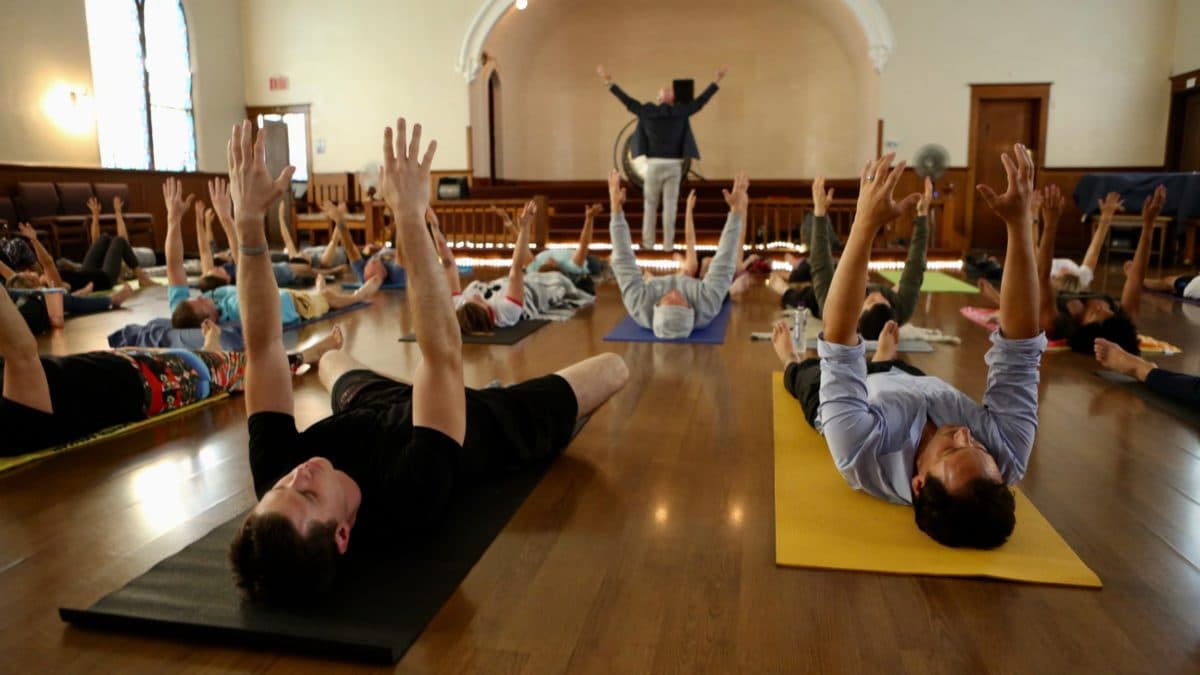
How to Choose the Right Breathwork Certification for Your Healing Journey
The breathwork certification market is crowded, unregulated, and varies wildly in price, format, and depth. Prospective teachers must look beyond glossy credentials and focus on the trainer’s actual years of leading breathwork sessions and safety track record. Many programs trap...

Conscious Connected Breathing: The Technique That Changes Everything
Conscious connected breathing, also known as circular breathing, is a continuous mouth‑breathing technique that eliminates pauses between inhales and exhales. By sustaining a rhythmic breath loop, it directly engages the autonomic nervous system, quickly shifting the body out of chronic...

Guided Breathwork: What It Actually Is and What Happens When You Try It
Guided breathwork is a structured, facilitator‑led breathing practice where participants lie down and continuously breathe through the mouth for about 28 minutes, followed by a rest period. The guide helps participants push through the brain’s natural resistance that peaks around...