
News•Mar 10, 2026
Mulholland Drive Is The Rosetta Stone Of David Lynch
Mulholland Drive is positioned as the Rosetta Stone for decoding David Lynch’s surreal cinema, using a conventional Hollywood thriller framework to explore shifting identities. The film’s iconic Club Silencio sequence and dual‑role characters illustrate Lynch’s obsession with the subconscious and the fluidity of self. By blending meta‑commentary on Hollywood’s exploitative mechanisms with accessible storytelling, the movie bridges the gap between avant‑garde art and mainstream audiences. Its critical acclaim endures despite a lack of major industry awards, cementing its status as a pivotal work in modern auteur filmography.
By BRWC (Battle Royale With Cheese)

News•Mar 9, 2026
The Art Of Storytelling: How Short Films Capture Our Imagination
Short films have surged in popularity as a concise medium that delivers powerful storytelling within minutes, compelling creators to master brevity and visual narrative. Iconic works like *Paperman* and *Stutterer* demonstrate how minimal dialogue can evoke deep emotions and spark...
By BRWC (Battle Royale With Cheese)
News•Mar 8, 2026
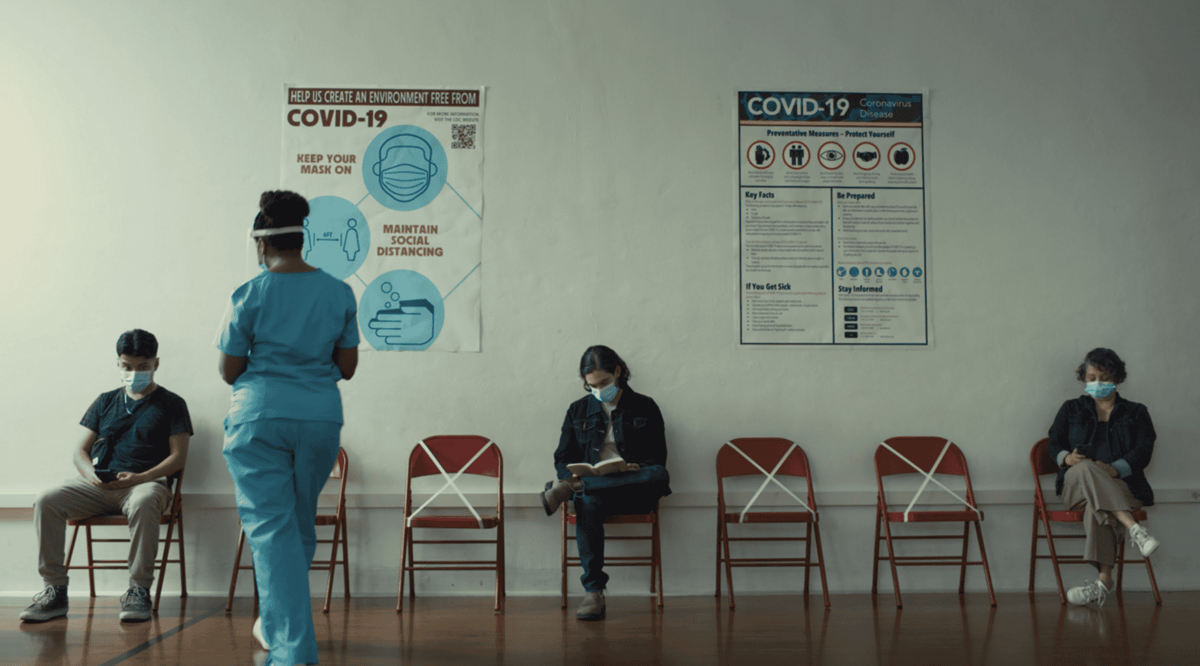
Silence = Death – Short Film Review
Trace Pope’s short film *Silence = Death* dramatizes ACT UP’s 1990 “Storm the NIH” protest, placing viewers amid the AIDS crisis. It follows filmmaker Jamie as he documents the protest while caring for a dying partner, interweaving three narrative threads—including Dr....
By BRWC (Battle Royale With Cheese)
News•Mar 6, 2026
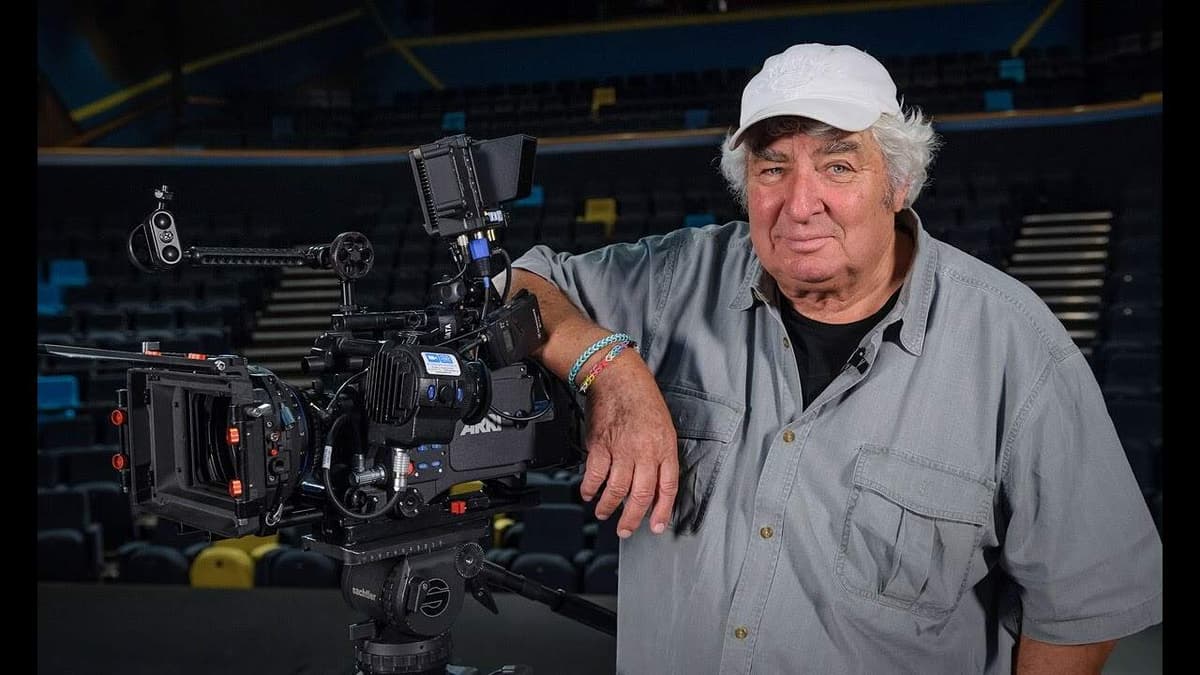
Shooting The Western With Dean Semler
Dean Semler, an Australian cinematographer known for his early work on thrillers and Mad Max 2, pivoted to westerns in the late 1980s and quickly became the genre’s visual architect. His breakthrough came with the commercially successful Young Guns (1988), followed...
By BRWC (Battle Royale With Cheese)
News•Mar 6, 2026
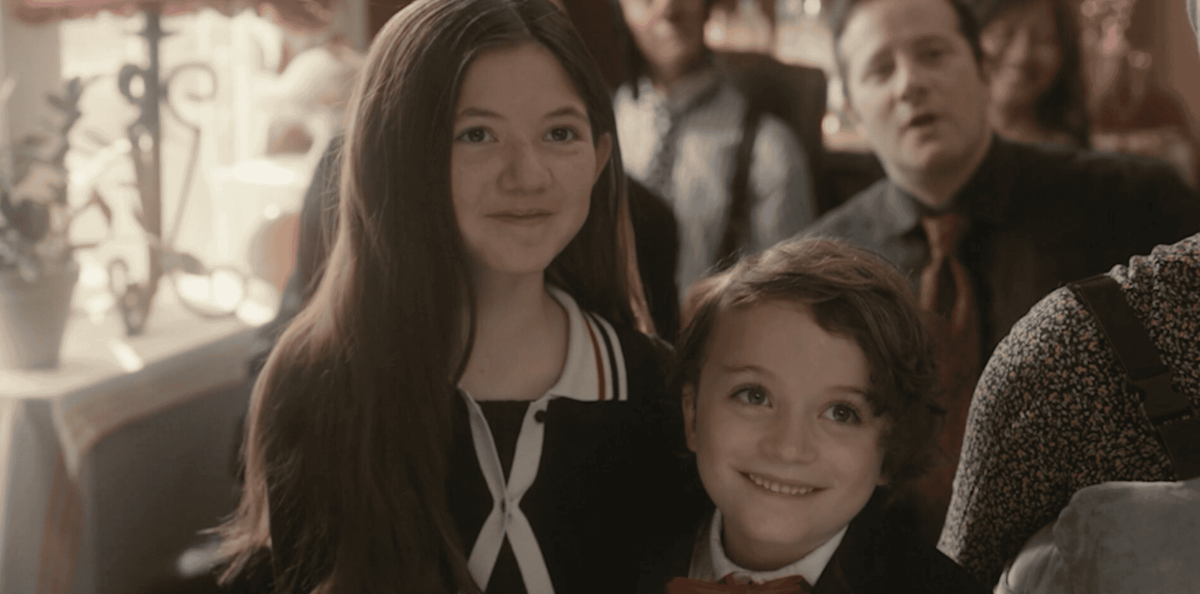
Lay Lefty Down – Short Film Review
Lay Lefty Down, a short film by writer‑director Traven Rice, stages a surprise funeral for a woman’s left breast after a mastectomy, blending dark comedy with genuine emotion. Alexandra Seal anchors the story as Abby, navigating grief amid absurd pageantry,...
By BRWC (Battle Royale With Cheese)

News•Mar 3, 2026
How To Make A Killing – The BRWC Review
John Patton Ford’s second feature *How to Make a Killing* attempts a satirical, class‑based thriller but delivers a bland, undercooked narrative. The film follows Beckett Redfellow, a low‑level salesman who murders his billionaire relatives to claim a $10 billion inheritance, yet it...
By BRWC (Battle Royale With Cheese)