
Deep-Rooted Questions on Land-Based CDR
Carbon180 outlines land‑based carbon dioxide removal (CDR) as a suite of natural and hybrid approaches that capture CO₂ through photosynthesis and store it in soils, biomass, or engineered products. The piece details dozens of pathways—from afforestation and agroforestry to biochar and enhanced rock weathering—highlighting their varying permanence and co‑benefits. It emphasizes the massive global soil carbon debt of roughly 133 billion metric tons and the policy gap that still rewards extractive land use. The organization calls for stronger U.S. policies, especially in the next Farm Bill, to scale these solutions.
Introducing, the CORE Carbon Removal Framework
Carbon180 unveiled the Community‑Informed, Open Access, Reviewed, and Evaluated (CORE) Carbon Removal Framework, a comprehensive guide for responsible carbon removal projects. The framework centers on three beneficiaries—communities, climate, and ecosystems—and embeds principles such as justice, equity, transparency, and net negativity....
Carbon180 Statement on Updates in Carbon Removal Demand
Microsoft appears to be pausing new carbon‑removal purchases, a shift that could affect early‑stage climate‑tech firms that relied on its procurement. While the tech giant has not confirmed the pause, its five‑year buying program helped establish market standards and gave...
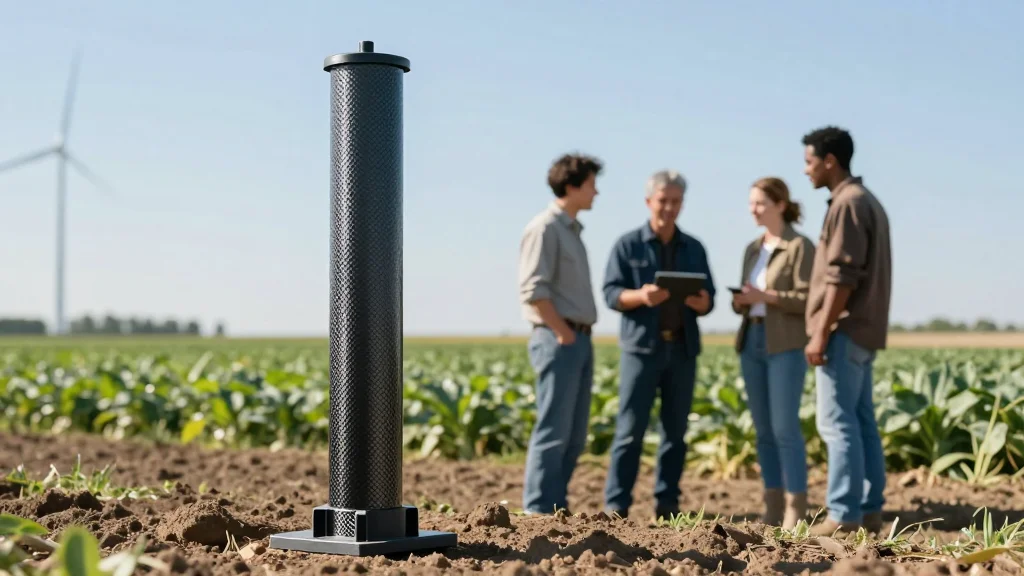
Carbon Removal Is Coming Home — Science and Justice Must Meet It There.
Carbon removal projects are moving from research labs onto farms, industrial perimeters, and oceans, but technical success alone won’t guarantee long‑term viability. The article argues that community engagement, equity, and justice must be woven into deployment strategies from the outset....