
Recent Posts

News•Feb 27, 2026
Uber Ballot Measure to Cap Personal Injury Fees, Limit Medical Damages Sparks Ire
Uber has filed a California ballot initiative to cap personal‑injury lawyers' contingency fees at 25% and limit medical damages, spending roughly $32.5 million on the effort. A coalition of attorneys, medical providers and consumer groups has mobilized $55 million to oppose the measure and is pushing three competing initiatives that would increase Uber’s liability and safeguard lawyer choice. The proposal would let crash victims retain 75% of settlements while restricting reimbursement rates for medical expenses. The battle, already costing over $80 million, could reshape auto‑accident litigation and insurance costs across the state.
By Carrier Management

News•Feb 27, 2026
Why Claims AI Build Vs. Buy Decisions So Often Miss the Mark
Insurance leaders often jump straight into a build‑or‑buy debate for claims AI, treating every use case as identical. Chad Langford argues the real issue is categorizing problems by complexity, external data requirements, and carrier‑specific processes. Mis‑classification leads to over‑building simple...
By Carrier Management
News•Feb 26, 2026
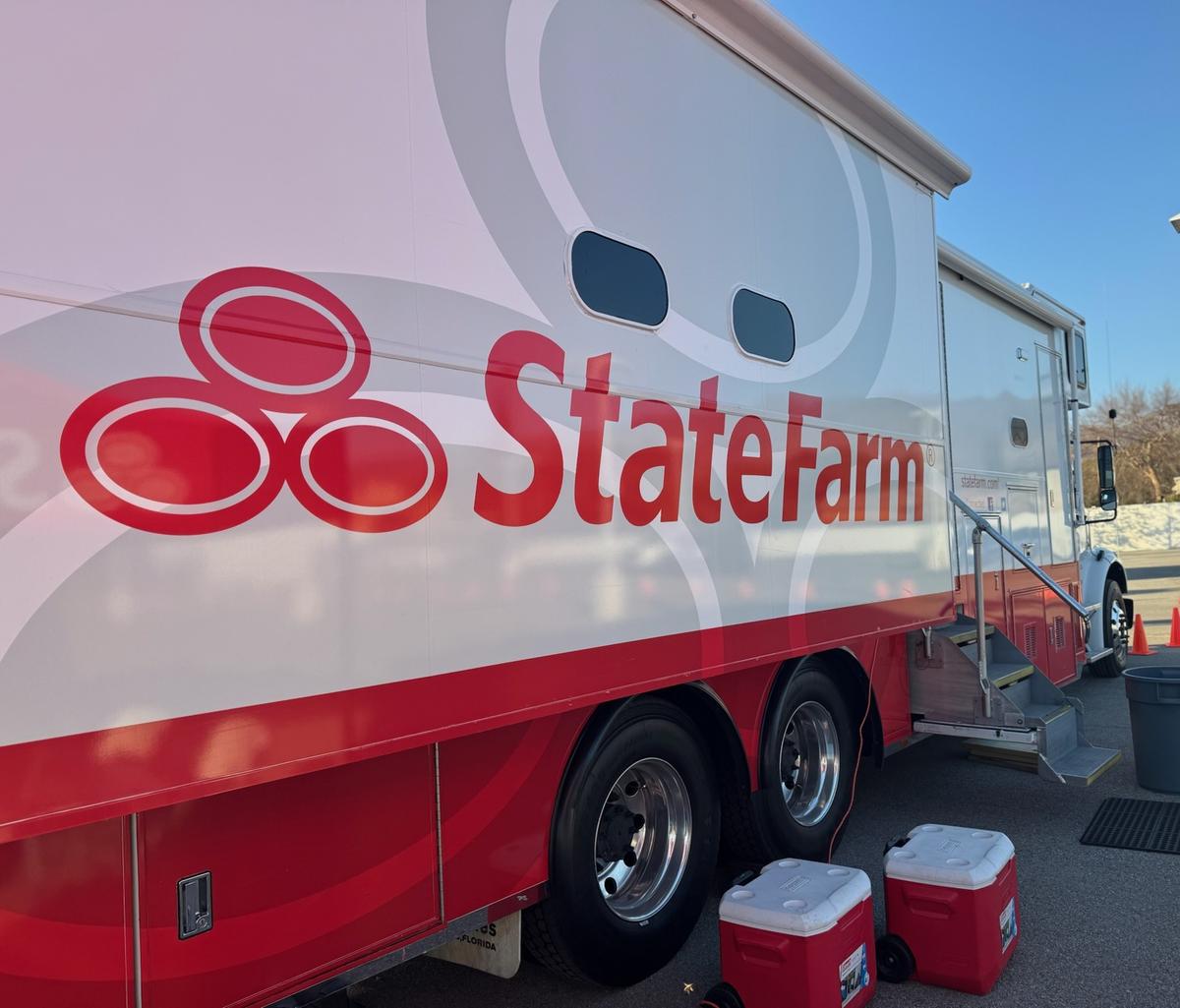
State Farm Inked $1.5B Underwriting Profit for 2025; HO Loss Persists
State Farm posted a $1.5 billion underwriting gain for its property‑casualty segment in 2025, reversing a $6 billion loss in 2024 and over $10 billion losses in the two preceding years. The turnaround was driven by a near‑$5 billion auto underwriting profit, with earned...
By Carrier Management

News•Feb 25, 2026
Commercial P/C Market Softest Since 2017, Says CIAB
The Council of Insurance Agents & Brokers (CIAB) reports that commercial property‑casualty premiums in Q4 2025 grew a mere 0.2%, the weakest pace since 2017. Nine lines of business, including cyber and workers’ compensation, posted declines, with directors & officers premiums falling 3.8%...
By Carrier Management

News•Feb 25, 2026
Resilience: Cyber Risk Shifts From Disruption to Long-Tail Losses
Resilience’s 2025 Cyber Risk Report reveals a decisive shift from ransomware‑focused disruption to extortion attacks that rely on stolen data. Data‑theft‑only extortion claims rose to 65 % of incidents in the second half of last year, turning cyber incidents into multi‑year...
By Carrier Management

News•Feb 25, 2026
Camp Mystic Parents Sue Texas, Allege Evacuation Plan Requirement Not Enforced
A federal lawsuit filed by families of nine children and counselors alleges Texas health officials licensed Camp Mystic without enforcing the state‑required evacuation plan. The suit targets six Department of State Health Services officials, claiming they knowingly approved a camp...
By Carrier Management

News•Feb 24, 2026
New Texas Law Requires Insurers Provide Reason for Declining or Canceling Policies
A Texas law, HB 2067, took effect on Jan 1 2026 requiring all property‑and‑casualty insurers to provide written reasons when declining, canceling, or not renewing auto or homeowners policies. The mandate rolls out in three phases—first residential property and private passenger auto, then...
By Carrier Management

News•Feb 23, 2026
Two-Thirds of Independent Agencies Plan to Increase AI Use This Year, Survey Says
A new ACT survey shows that more than two‑thirds of independent agencies intend to increase AI use within the next 12 months, yet only 8% currently have AI embedded in daily workflows. Operational efficiency (60%) and staff productivity (52%) drive...
By Carrier Management

News•Feb 23, 2026
RLI Now Has ‘A++’ Rating From AM Best
AM Best upgraded RLI Group’s financial strength ratings to A++ and its long‑term issuer credit ratings to aa+, reflecting superior balance‑sheet fundamentals and capital management. The insurer reported $1.9 billion policyholder surplus and $264.2 million underwriting income for 2025, marking the 30th consecutive...
By Carrier Management

News•Feb 23, 2026
Prosecutors Allege UK Aircraft Parts Firm’s Fraud Caused Millions in Losses
London‑based airline parts firm director Jose Alejandro Zamora Yrala forged documents to sell tens of thousands of CFM56 engine components, injecting roughly 60,000 suspect parts into the global supply chain. The scheme, spanning January 2019 to December 2023, generated £6.9 million in revenue for...
By Carrier Management

News•Feb 23, 2026
Disaster Preparedness, Responsible Tech Use Among NAIC 2026 Priorities
The National Association of Insurance Commissioners (NAIC) unveiled its 2026 strategic priorities, emphasizing stronger capital and investment frameworks, advanced data architecture, heightened disaster resilience, and robust AI model governance. Regulators will pursue a harmonized investment regime, expand analytics capabilities, and...
By Carrier Management

News•Feb 23, 2026
10 Do’s and Don’ts of a Smart ORSA Report
The article outlines ten practical do’s and don’ts for crafting a smart Own Risk and Solvency Assessment (ORSA) report. It highlights that many insurance CEOs, CFOs, and CROs view ORSA as a burdensome compliance exercise rather than a strategic tool....
By Carrier Management

News•Feb 20, 2026
Teens’ First Year on the Road Most Deadly
Mercury Insurance warns that drivers aged 16‑19 are three times more likely to be involved in a fatal crash per mile than drivers 20 and older. National Highway Traffic Safety Administration data and CDC figures show over 2,800 teen deaths...
By Carrier Management

News•Feb 20, 2026
Warming World Increases Fire Risk Around the Globe
A new study in Science Advances finds that globally synchronous fire‑weather days—hot, dry, windy conditions that spark wildfires—have nearly tripled over the past 45 years, rising from an average of 22 days per year in the late 1970s to over...
By Carrier Management

Deals•Feb 13, 2026
Capgemini Announces Sale of U.S. Government Solutions Subsidiary
Capgemini said it will sell its U.S. subsidiary Capgemini Government Solutions after backlash over a $4.8 million ICE contract. The divestiture, announced in February 2026, is part of the firm’s effort to balance European tech sovereignty with reliance on U.S. cloud...
Carrier Management