
Recent Posts

News•Feb 25, 2026
Gibson Dunn Discusses CFIUS’ Known Investor Program
On February 6, 2026, CFIUS issued a request for information (RFI) to refine its Known Investor Program (KIP), a fast‑track review mechanism for repeat foreign investors in U.S. advanced‑technology sectors. The RFI outlines eligibility thresholds—at least three covered filings in the past three years and a pending filing within 12 months—and details extensive disclosure requirements. CFIUS notes that over 90% of transactions were approved in the past five years, with 70% cleared in the initial review phase. Public comments on the proposal are accepted until March 18, 2026.
By CLS Blue Sky Blog (Columbia Law School)

News•Feb 24, 2026
Want More Public Companies? Encourage More Stock Repurchases
The SEC’s new leadership is targeting the 40 percent decline in U.S. public companies by easing regulatory burdens, especially those that hinder share repurchases. It proposes reforming the safe‑harbor under Rule 10b‑18 to make buybacks more accessible to mid‑cap firms. Currently, the...
By CLS Blue Sky Blog (Columbia Law School)

News•Feb 18, 2026
Litigation Finance Plays an Important Role in Capital Markets
Litigation finance turns contingent legal claims into a source of capital, positioning them alongside other non‑traditional assets like future receivables and intellectual property. By providing non‑recourse funding, it lets companies—especially SMEs lacking traditional credit—access cash without equity dilution or restrictive...
By CLS Blue Sky Blog (Columbia Law School)
News•Feb 16, 2026
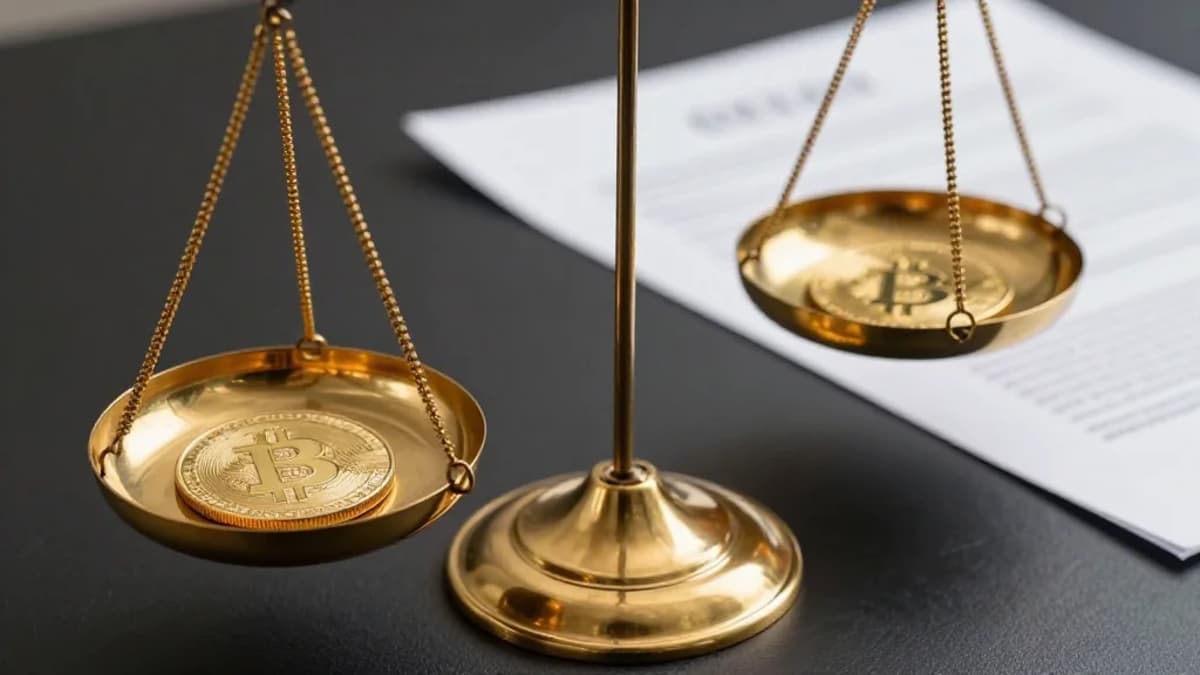
Crypto-Derivatives Regulation Is Too Fragmented
A new comparative study finds crypto‑derivatives regulation is highly fragmented across major financial hubs, despite the products mirroring traditional derivatives in structure and risk. Regulators have forced crypto‑derivatives into existing regimes, leading to divergent rules based on settlement method, underlying...
By CLS Blue Sky Blog (Columbia Law School)

News•Feb 13, 2026
SEC Chair Testifies Before Senate Committee on Banking, Housing, and Urban Affairs
SEC Chair Paul S. Atkins testified before the Senate Banking Committee, outlining a three‑pillar plan to revitalize IPOs, cut costly reporting burdens, and modernize crypto oversight. He highlighted that public companies spend $2.7 billion annually on filing reports and announced a...
By CLS Blue Sky Blog (Columbia Law School)
News•Feb 11, 2026
Independent Monitorships, Corporate Culture, and the Limits of Compliance Reform
Independent monitorships have moved from rare court‑appointed roles to a standard tool in DOJ, SEC, and other settlements, tasked with overseeing remediation of systemic misconduct. While they aim to restore trust by providing external oversight, critics highlight high costs, opaque...
By CLS Blue Sky Blog (Columbia Law School)

News•Feb 11, 2026
Debevoise Discusses Third Circuit Decision on the Limits of the Best Price Rule
The U.S. Court of Appeals for the Third Circuit affirmed that the Best Price Rule applies only to shares actually taken up and paid for in a tender offer, not to shares the offeror cannot lawfully acquire. The ruling arose...
By CLS Blue Sky Blog (Columbia Law School)