News•Feb 28, 2026
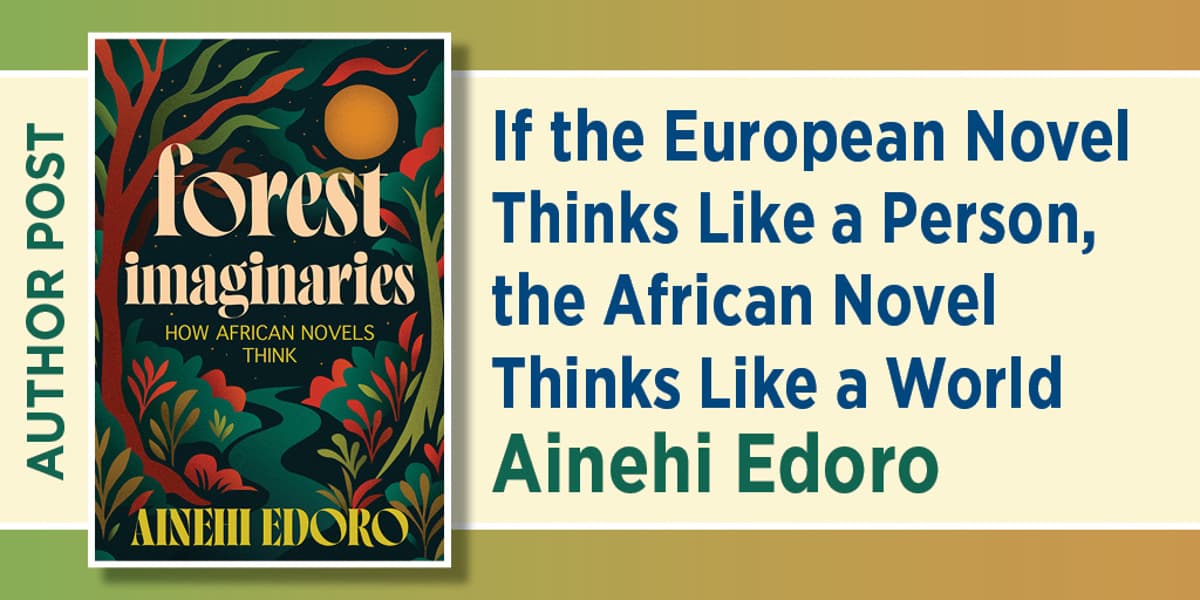
If the European Novel Thinks Like a Person, the African Novel Thinks Like a World Ainehi Edoro
The essay contrasts Virginia Woolf’s individual‑centric narrative model with a distinctly African approach that treats the novel as a thinking world. It argues that African fiction distributes agency across ecosystems, ancestors, and material forces rather than anchoring meaning in a single character. Drawing on Ache Achebe, Nancy Armstrong, and recent scholarship, the piece shows how spatial and cosmological logics shape African storytelling. The forest emerges as a recurring laboratory where power, history, and imagination intersect, illustrating this world‑thinking in practice.
By Columbia University Press – Blog
News•Feb 24, 2026
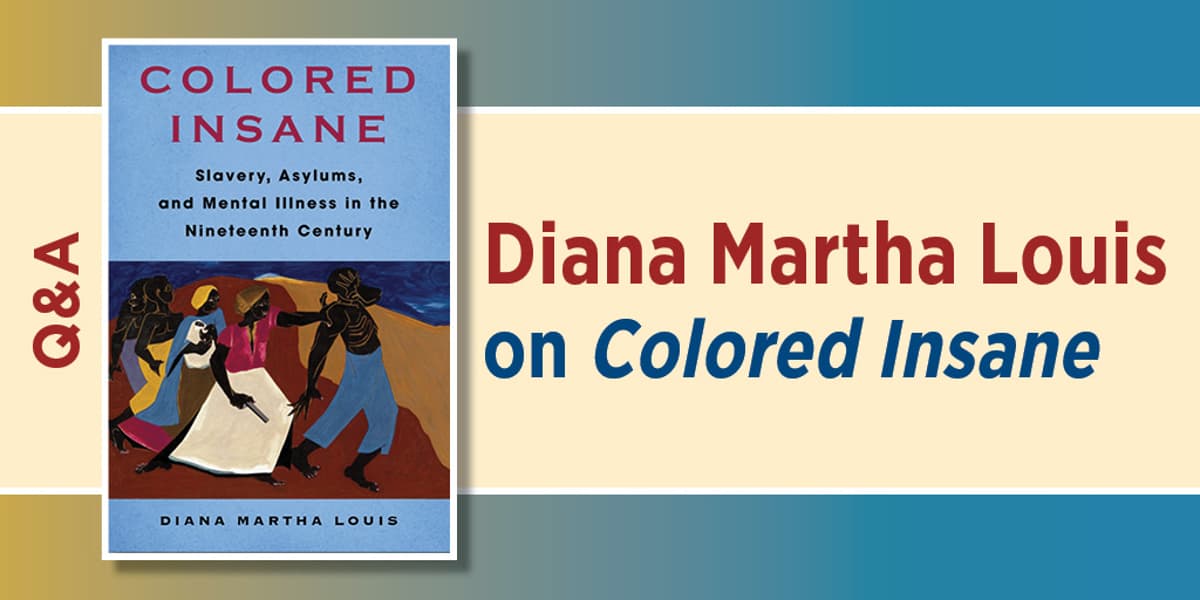
Diana Martha Louis on Colored Insane
Diana Martha Louis’s new book *Colored Insane* uncovers how nineteenth‑century American asylums labeled Black patients as the “colored insane” and used psychiatric theory to reinforce racial and gender hierarchies. Drawing on scarce archival records from the Georgia Lunatic Asylum, she foregrounds the...
By Columbia University Press – Blog