News•Mar 11, 2026
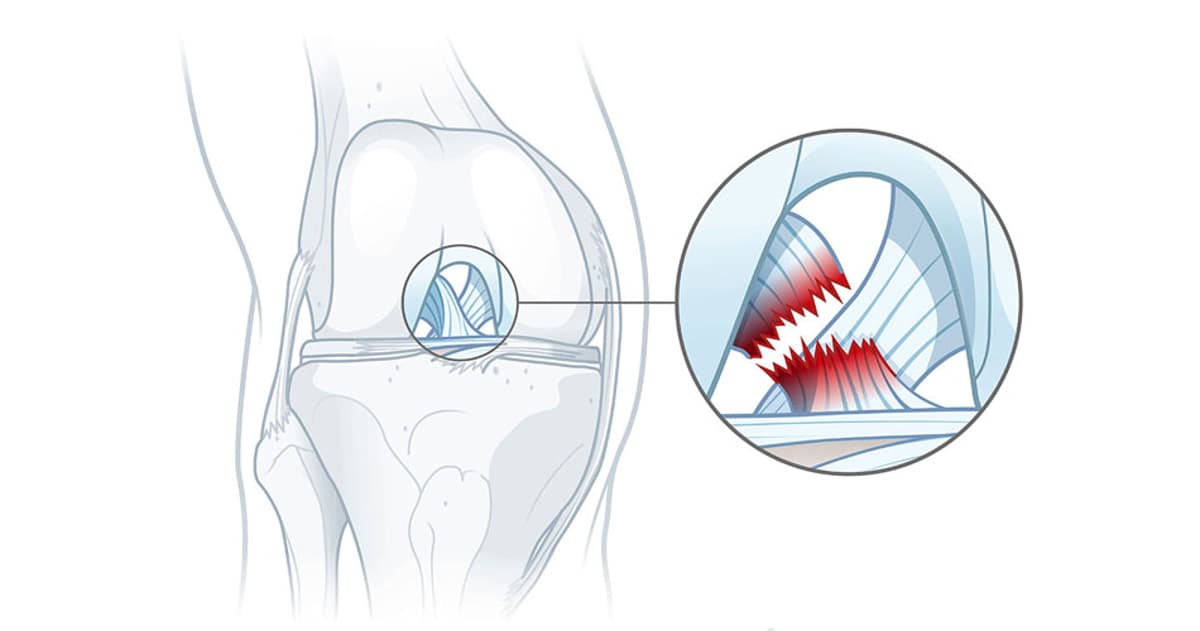
Knee Screening: Integrating Performance Training with Clinical Insight
Knee injuries remain a leading cause of lost training time and performance across sports, with up to 250,000 ACL tears reported annually in the United States alone. Sports scientists and strength‑and‑conditioning coaches are urged to adopt a systematic knee‑screening protocol that blends subjective history, structural tests, functional movement analysis, and neuromuscular evaluation. The approach is not a diagnostic tool but a risk‑identification system that informs load management, periodization, and timely medical referrals. By catching sub‑clinical deficits early, coaches can extend athlete careers and differentiate themselves from generic trainers.
By Complementary Training
News•Mar 1, 2026
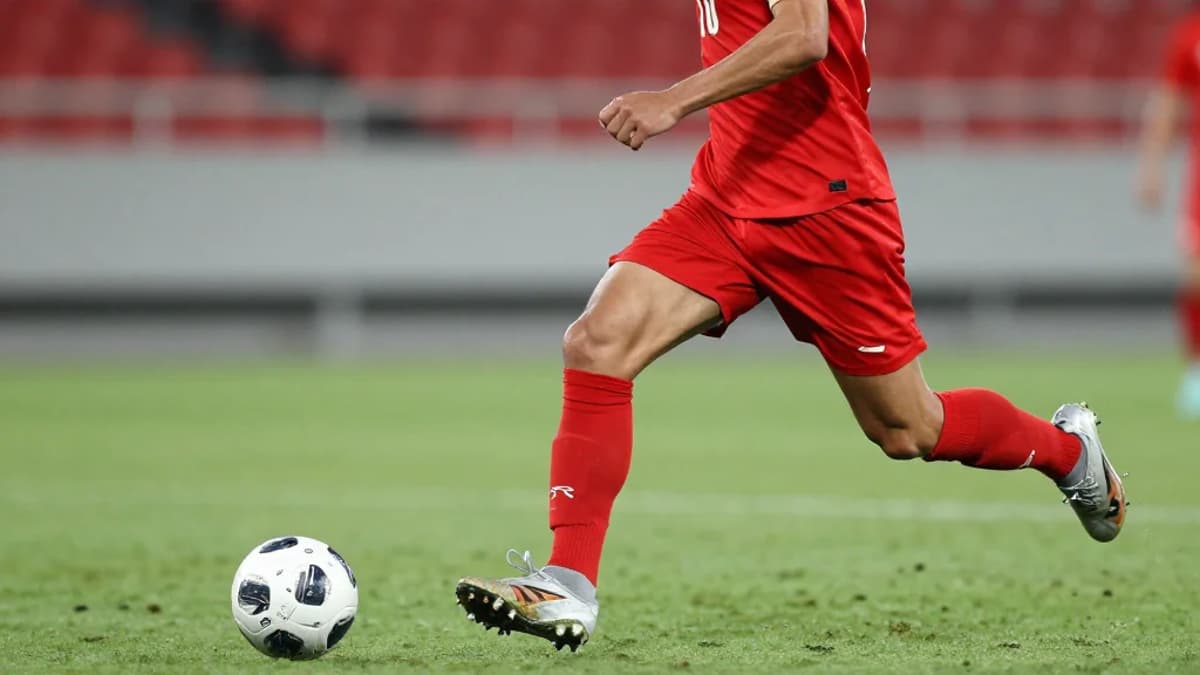
Endurance Training In Football
Endurance in modern football is a hybrid of aerobic and anaerobic capacities, enabling players to sustain intermittent high‑intensity actions across 90 minutes. The sport relies on three energy systems—oxidative, alactic, and lactic—with aerobic metabolism supplying 70‑80 % of total energy while...
By Complementary Training

News•Feb 20, 2026
Bridging AI and Sports Science: How Model Context Protocols (MCPs) and Retrieval-Augmented Generation (RAG ) Systems Can Personalize Training
Model Context Protocols (MCPs) provide a standardized bridge that lets large language models pull live athlete data from platforms like AthleteSR, Strava, or Garmin. Retrieval‑Augmented Generation (RAG) layers sport‑science knowledge from textbooks and research into the model’s output, reducing hallucinations....
By Complementary Training