
Plyometrics in Football: From Mechanism to Method
The article presents a comprehensive framework for applying plyometrics to football, emphasizing the stretch‑shortening cycle (SSC) as the physiological bridge between gym‑based strength and on‑field explosive actions. It details SSC types, coupling‑time thresholds, and how surface stiffness, force‑vector specificity, and athlete maturation shape training stimulus. Practical dosage tables outline volume, intensity, and frequency across a 12‑week block, while the Bosco battery is recommended for pre‑programming assessment. A companion 12‑week program provides exercise selection, dosage, and progression based on this framework.

The Invisible Strength of Performance: Strength Training Applied to Football
The article explains why traditional gym strength rarely translates to football performance and outlines a systematic approach to make strength training sport‑specific. It distinguishes six muscle‑contraction types, describes hierarchical strength qualities, and matches each to appropriate training methods such as...
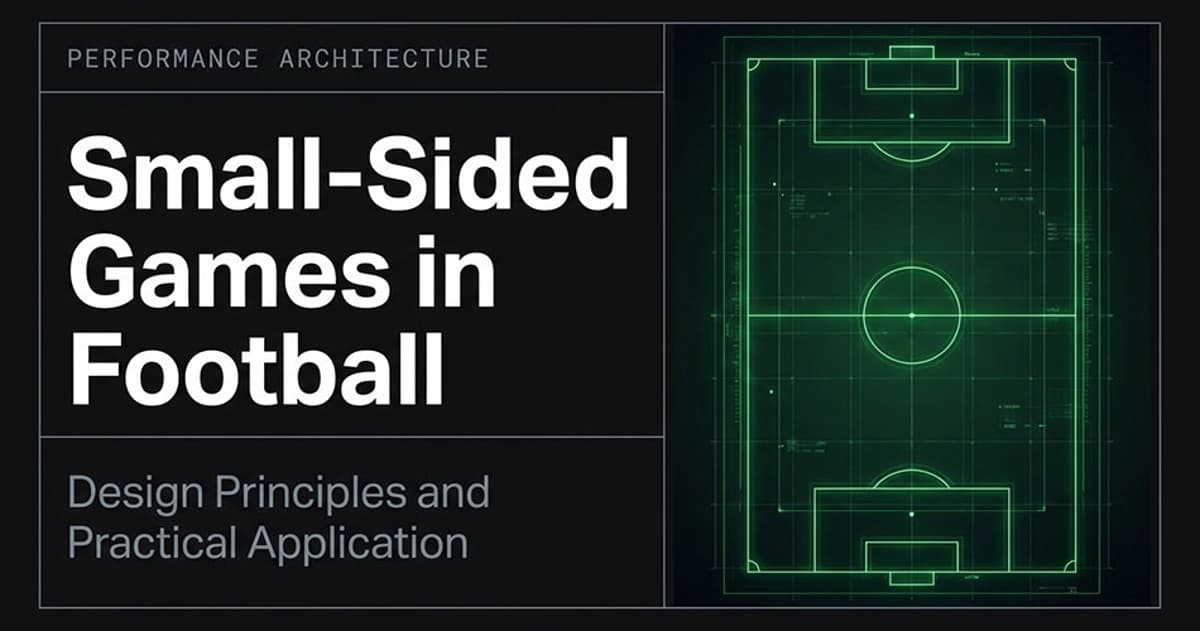
Small-Sided Games in Football: From Theory to Practical Application
Small-sided games (SSG) remain a core training tool in football, but their effectiveness hinges on precise control of variables, especially the space allocated per player (EII). The article outlines three density zones—under 100 m², 100‑200 m², and over 200 m² per player—each producing...

Managing Peak Demands and Rehabilitation in Football – Part 3: Programing Return to Sport Process After the ACL Injury
The final phase of a footballer’s return‑to‑sport (RTS) after ACL reconstruction reveals persistent deficits in velocity, acceleration and hamstring power despite restored maximal strength. Coaches also notice insufficient endurance exposure, which can leave players unprepared for the repeated high‑intensity actions...
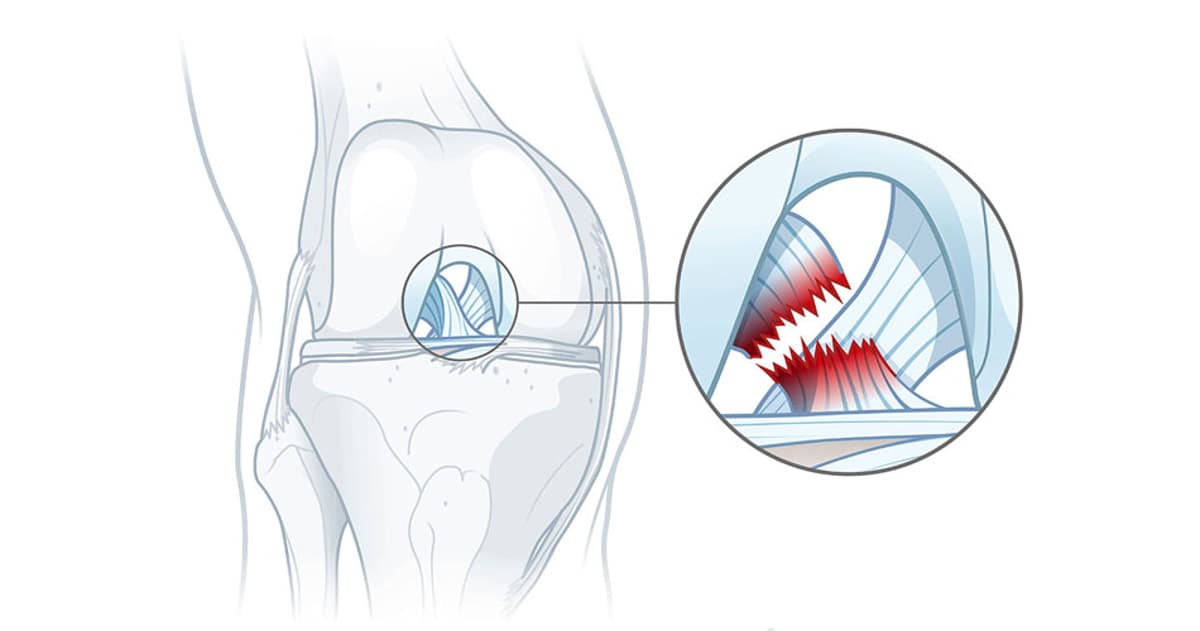
Knee Screening: Integrating Performance Training with Clinical Insight
Knee injuries remain a leading cause of lost training time and performance across sports, with up to 250,000 ACL tears reported annually in the United States alone. Sports scientists and strength‑and‑conditioning coaches are urged to adopt a systematic knee‑screening protocol...
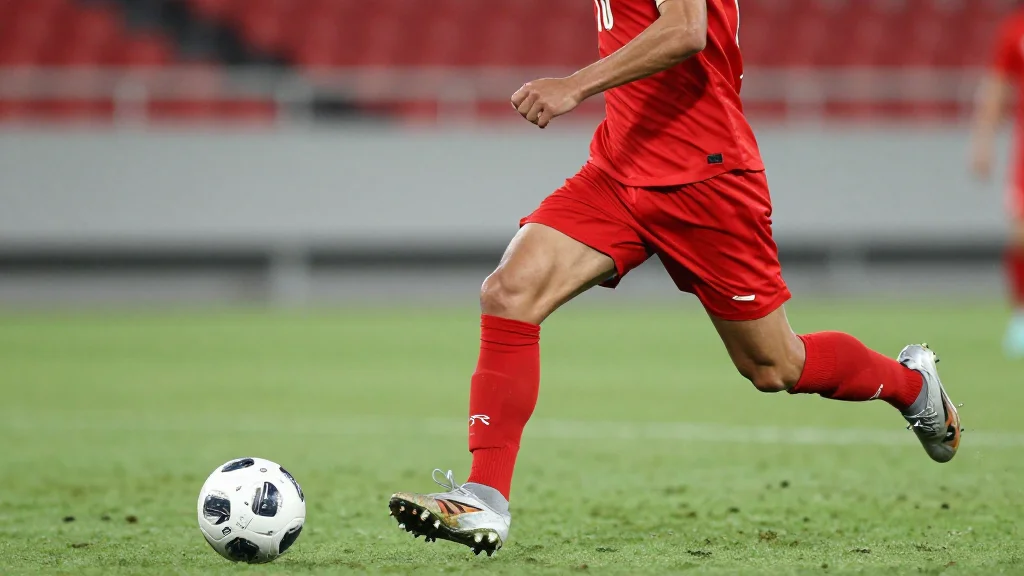
Endurance Training In Football
Endurance in modern football is a hybrid of aerobic and anaerobic capacities, enabling players to sustain intermittent high‑intensity actions across 90 minutes. The sport relies on three energy systems—oxidative, alactic, and lactic—with aerobic metabolism supplying 70‑80 % of total energy while...

Bridging AI and Sports Science: How Model Context Protocols (MCPs) and Retrieval-Augmented Generation (RAG ) Systems Can Personalize Training
Model Context Protocols (MCPs) provide a standardized bridge that lets large language models pull live athlete data from platforms like AthleteSR, Strava, or Garmin. Retrieval‑Augmented Generation (RAG) layers sport‑science knowledge from textbooks and research into the model’s output, reducing hallucinations....