
Recent Posts
Video•Feb 25, 2026
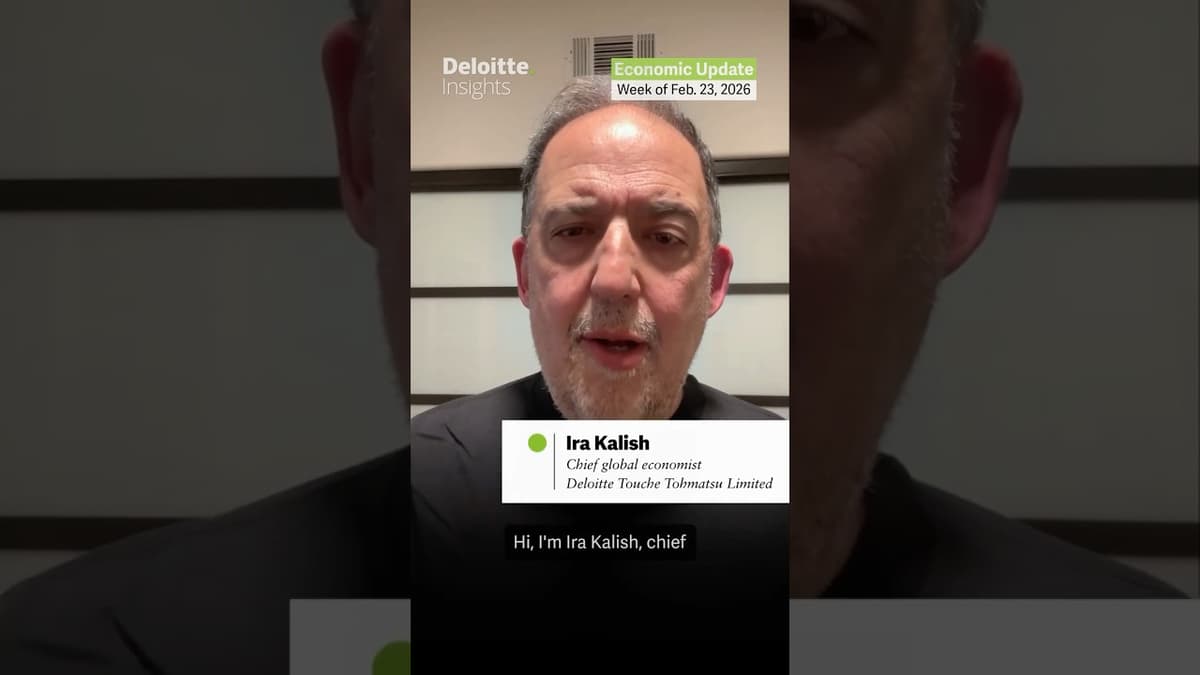
Supreme Court Tariffs Ruling and Business Impact | Economic Update | Deloitte Insights
The U.S. Supreme Court this week nullified a series of tariffs imposed under the Emergency Powers Act (EPO), ruling that the administration’s claim of a “persistent trade deficit” did not meet the legal standard for a national emergency. The decision opens the door for refunds to importers who paid the invalidated duties and forces the Biden administration to rely on other statutory authorities—namely Section 301, which targets unfair trade practices, and Section 232, which invokes national‑security concerns—to maintain a high‑tariff posture. Kalish noted that the abrupt policy shift “creates a new level of uncertainty” for firms that operate globally, warning that the lingering doubt about future tariff expirations could dampen supply‑chain investment. For multinational corporations, the ruling signals a need to reassess cost structures and hedge against policy volatility, while policymakers must balance protectionist aims with the risk of stalling trade‑related growth.
By Deloitte Insights
Video•Feb 23, 2026
Finance Trends 2026: Can AI Be a Force for Good in Corporate Sustainability?
Deloitte’s Finance Trends 2026 report projects AI‑driven efficiencies could shave roughly 12,000 terawatt‑hours from global energy use and generate up to $500 billion in annual cost savings by 2050. While AI’s current electricity demand is high, the analysis argues that its...
By Deloitte Insights
Video•Feb 17, 2026
Business Leadership in Economic Uncertainty | Perspectives From Davos | Deloitte Insights
The Deloitte panel at Davos examined how business leaders can navigate the lingering uncertainty after 2025’s tariff shocks and a shifting geopolitical landscape. Speakers noted that while the global economy feels the “sand in the machine,” signs of renewed momentum...
By Deloitte Insights
Video•Feb 16, 2026
How to Build an AI Workforce Strategy Using Data | Perspectives From Davos | Deloitte Insights
The Deloitte panel at Davos explored how companies can construct an AI‑focused workforce strategy grounded in hard data. Speakers highlighted the widening gap between soaring demand for AI capabilities—75% of firms report needing AI talent—and the modest proportion of...
By Deloitte Insights
Video•Feb 15, 2026
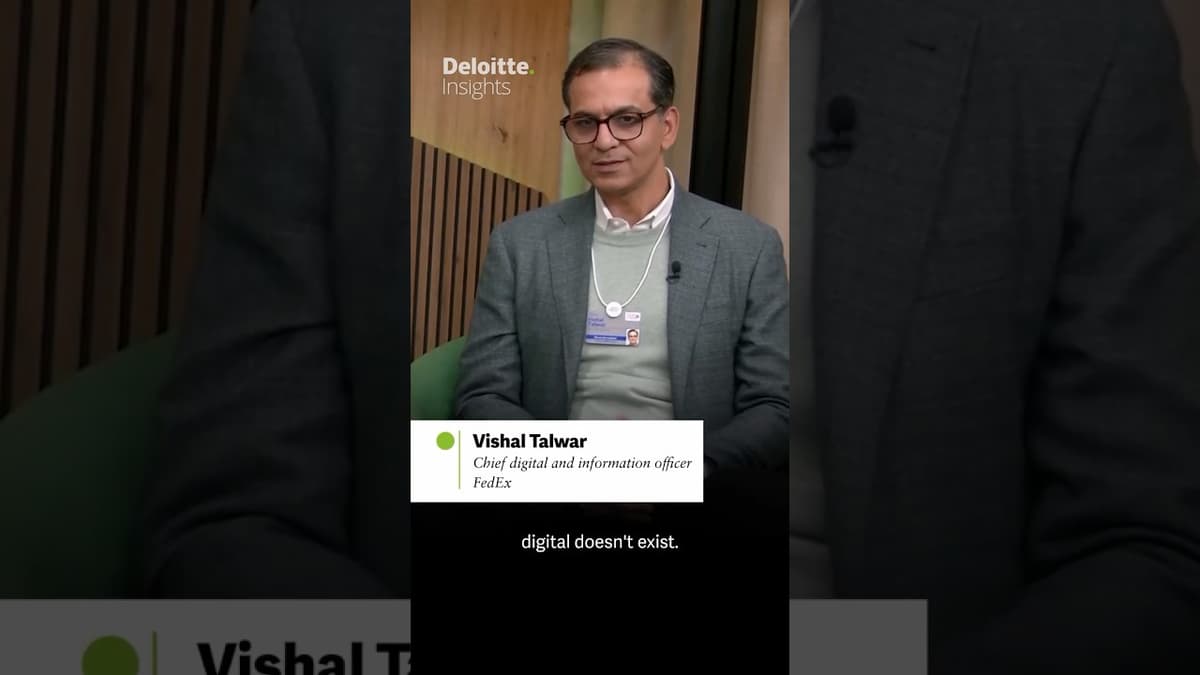
Digital Supply Chain for Global Trade Resilience | Perspectives From Davos | Deloitte Insights
At a Deloitte‑hosted panel in Davos, FedEx chief digital and information officer Vishal Talwar warned that a fully digital supply chain remains elusive. He emphasized that resilience requires more than technology—it demands system‑wide coordination, shared data standards, and updated policy...
By Deloitte Insights
Video•Feb 14, 2026
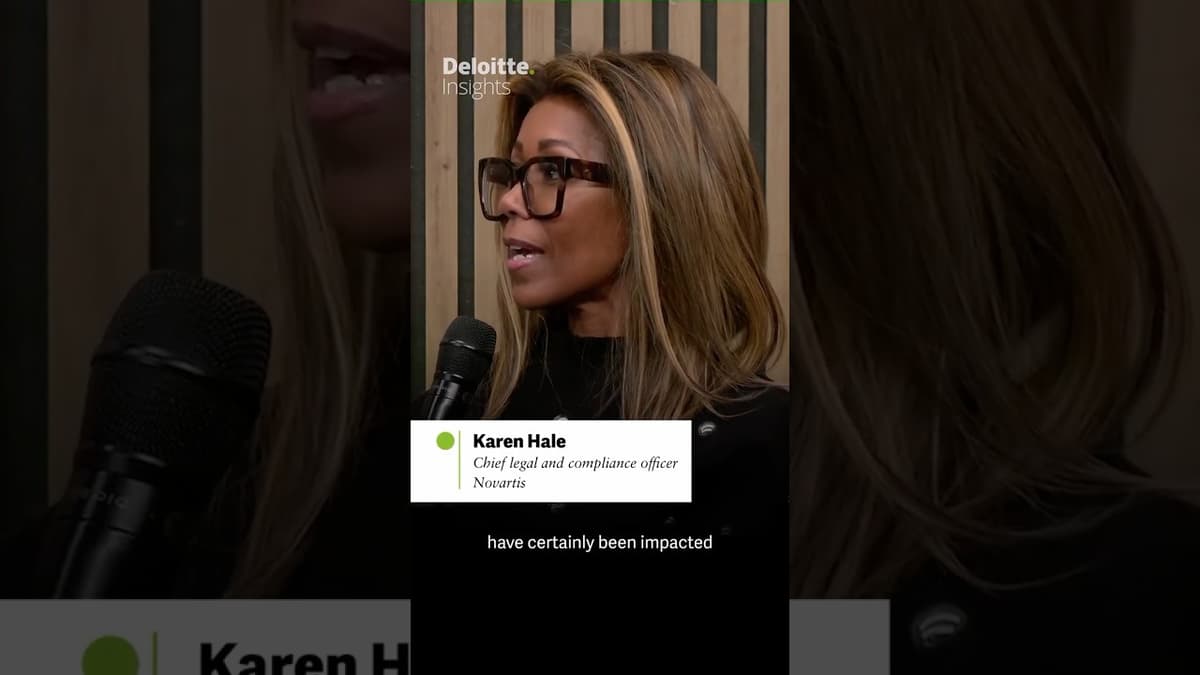
Tariff Risk Management and Supply Chain Resilience | Perspectives From Davos | Deloitte Insights
Tariff risk management has moved from an operational nuisance to a board‑level strategic priority, as highlighted at Deloitte’s global trade panel in Davos. Karen Hale, Novartis’ chief legal and compliance officer, explained that volatile tariffs now shape supply‑chain resilience, capital...
By Deloitte Insights