
The Climate Policy Paradox: Why Voters Reject the Tools that Economists Advocate Most
Economists overwhelmingly favor carbon taxes and cap‑and‑trade as the most efficient climate tools, yet a new survey of 1,800 Americans shows a stark preference for regulatory standards. Nearly 80% of respondents rank standards as their top or second‑choice policy, while only 6% favor consumer taxes. Voters’ choices are driven by the belief that taxes will raise electricity bills, a misconception that economists say is unfounded. A brief educational video can dramatically narrow the support gap for tax instruments, but deeper cost‑effectiveness concepts remain hard to convey.

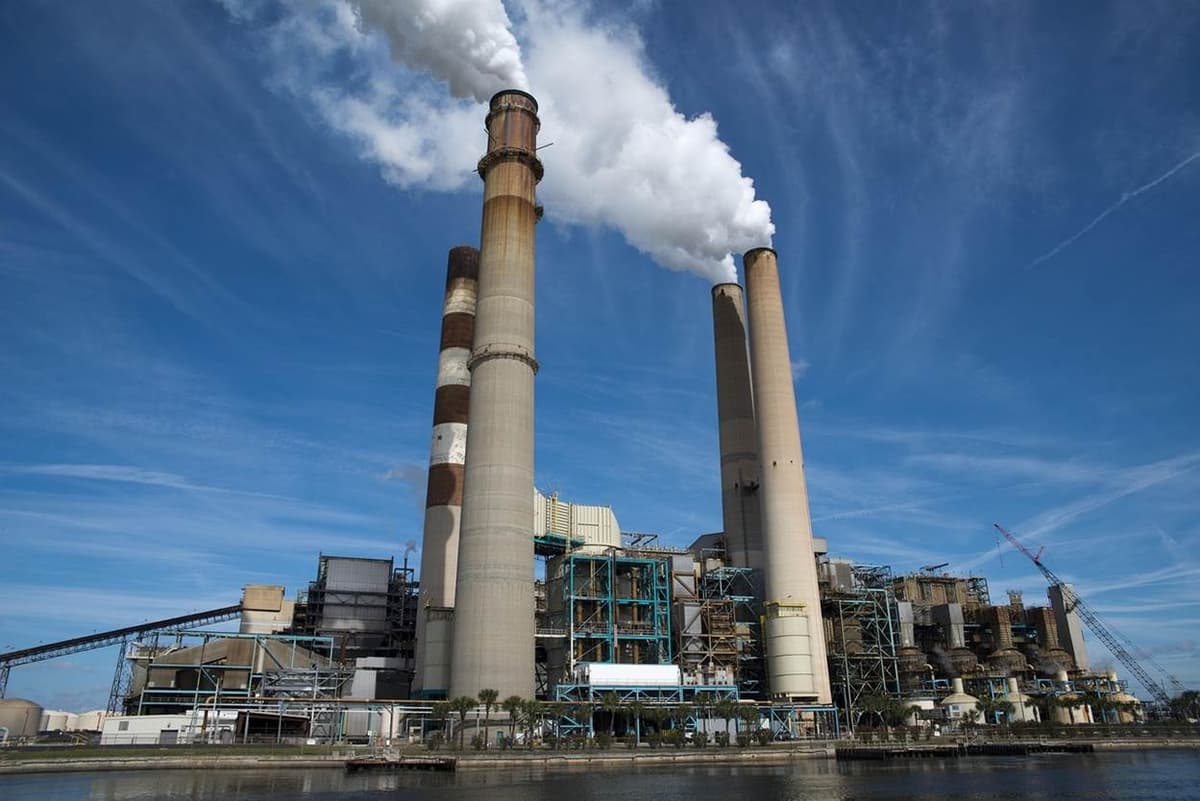
DOE Second Guesses Coal Plant Owners
The U.S. Department of Energy is invoking Section 202(c) of the Federal Power Act to keep retiring coal plants online, extending roughly 4,500 MW of coal and 1,400 MW of gas capacity. Orders, first issued in May 2025 for the 1,400‑MW J.H. Campbell plant...

The Electric Vehicle Tariff Boomerang
The Canada‑China trade deal announced in January reduces the tariff on Chinese electric vehicles to 6.1 % for an initial 49,000‑unit quota, expanding to 70,000 over five years. The move stems from Trump‑era pressure on Canada, prompting a diversification toward Beijing....

High Costs and Few Benefits From California’s Proposed Sustainable Aviation Fuel Tax Credit
California’s 2026 budget proposes a Sustainable Aviation Fuel (SAF) tax credit that lets diesel excise taxpayers offset liability by selling SAF. The credit, capped at $2 per gallon, could shave 10‑20 % or more from the state’s diesel tax base, potentially...