
Recent Posts

News•Feb 27, 2026
New HVAC Partnership Boosts Indoor Air Quality, School Resilience
Three national nonprofits have formed the HVAC Change Lab to help U.S. school districts modernize aging heating, ventilation, and air‑conditioning systems. The initiative will provide peer‑to‑peer networking, one‑on‑one technical coaching, and a library of best‑practice resources to 12‑15 pilot districts starting March 2026. By improving indoor air quality, the Lab aims to boost student health, reduce operating costs, and increase school resilience during extreme weather events. The effort is supported by a broad coalition of partners including ASHRAE and the American Lung Association.
By Facility Executive

News•Feb 25, 2026
Data-Driven Safety Cuts Serious Injury, Fatality Risk
ISN’s sixth Serious Injury & Fatality (SIF) Insights White Paper reveals that while overall recordable incident rates keep falling, serious injury and fatality rates remain flat. Analyzing over 178,000 OSHA recordable incidents from 2017‑2024, the report shows lacerations, cuts and...
By Facility Executive

News•Feb 17, 2026
Ready To Free Your Team From Floor Cleaning?
Tennant has introduced the X6 ROVR, an autonomous mid‑size floor scrubber designed for high‑traffic facilities. The robot features a 26‑inch cleaning path, up to six hours of runtime on a lithium‑ion battery, and 75,000 sq ft coverage per solution tank. Powered by 3D...
By Facility Executive

News•Feb 13, 2026
High-Performance Coatings: Built For Speed
High‑performance coatings are emerging as a strategic asset for manufacturers racing to commission new facilities. By applying fire‑resistant epoxy to structural steel in the shop, firms avoid weather‑related delays and accelerate assembly, while tailored floor systems boost durability, cleanliness, and...
By Facility Executive

News•Feb 12, 2026
GENERAL Inc. Adds New AIRSTAGE Heat Pumps
GENERAL HVAC Solutions America introduced two new multi‑zone heat‑pump models, the AIRSTAGE Aquila and Aquila XLTH, expanding its H‑Series R‑32 lineup. The Aquila delivers up to 23 SEER2, 10.5 HSPF2 and heats to 5 °F, while the XLTH reaches 23.5 SEER2, 11.5 HSPF2 and operates...
By Facility Executive

News•Feb 10, 2026
Impact Buildings: The Intelligent Truth About Future Commercial Real Estate
Impact Buildings redefine commercial real estate by embedding digital innovation, electrification, and occupant‑centric design into every phase from planning to operation. Schneider Electric’s NEST in Dubai demonstrates the model, delivering a 37% energy cut and saving 572 metric tons of...
By Facility Executive
News•Feb 9, 2026
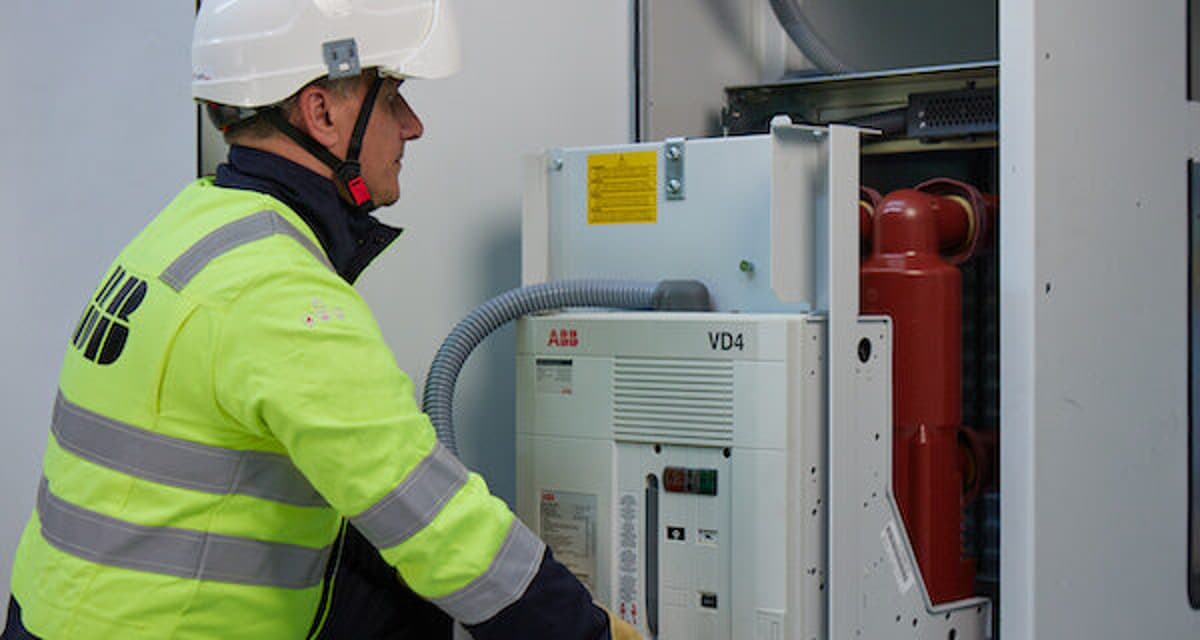
Why Modernization Beats Rip-And-Replace
Modernizing existing electrical infrastructure delivers up to 40% cost savings versus full‑scale replacements while extending asset life by as much as 30 years. By retrofitting switchgear, protection relays and controls, companies avoid the weeks‑long shutdowns that typically accompany a rip‑and‑replace...
By Facility Executive