News•Mar 11, 2026
350 Feet Underground US Lab Helps Turn Qubits Into Sensors for Dark Matter Research
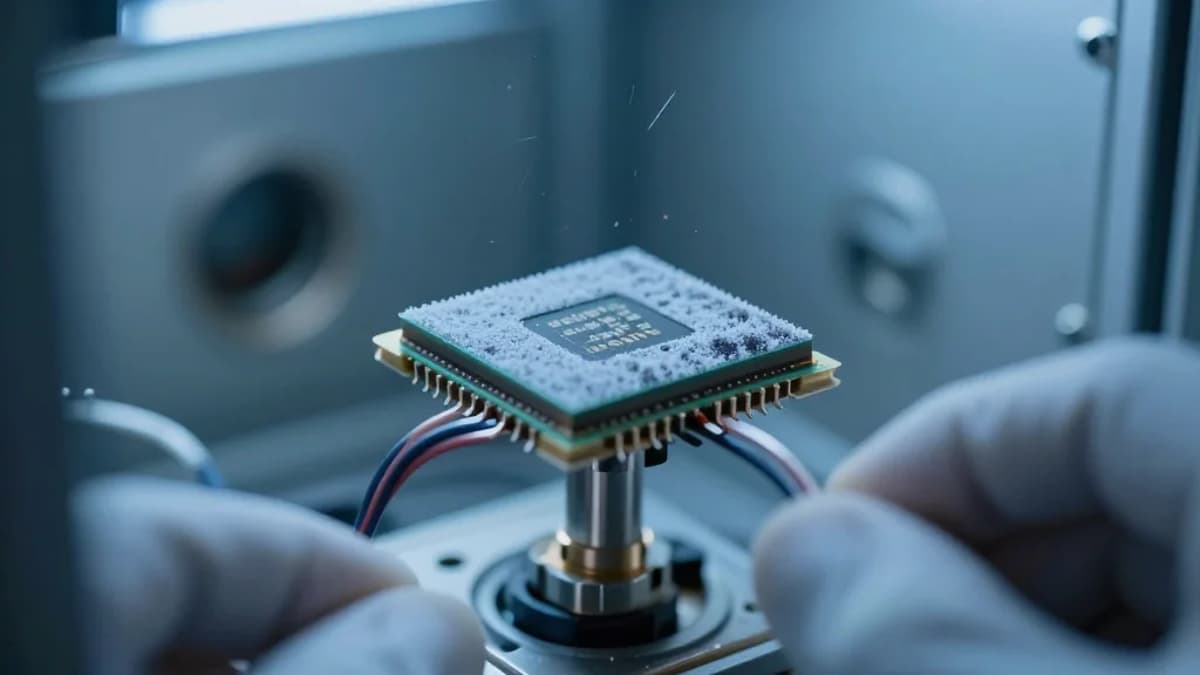
A multi‑institution team used the Northwestern Experimental Underground Site (NEXUS) at Fermilab, 350 feet below ground, to record charge noise across a four‑qubit superconducting chip, marking the first multi‑qubit measurement of this kind. By alternating a lead shield around the dilution refrigerator, researchers observed a reduction in charge bursts but found the decrease smaller than expected, hinting at additional, unidentified gamma‑ray sources. The experiment demonstrates that superconducting qubits can function as ultra‑sensitive radiation sensors, potentially even detecting dark‑matter interactions. These insights also pinpoint error sources that must be mitigated for fault‑tolerant quantum computers.
By Fermilab News
News•Mar 11, 2026
LHC Physics Center at Fermilab Reaches 15-Year Milestone for CMS Data Analysis School
The LHC Physics Center at Fermilab celebrated the 15th anniversary of its CMS Data Analysis School, now in its 34th session. Held in January 2026, the intensive week hosted 48 graduate and undergraduate students alongside 48 facilitators and 11 lecturers....
By Fermilab News
News•Mar 10, 2026
First Proton Beams Circulate in US Test Accelerator Built to Shape Future Colliders
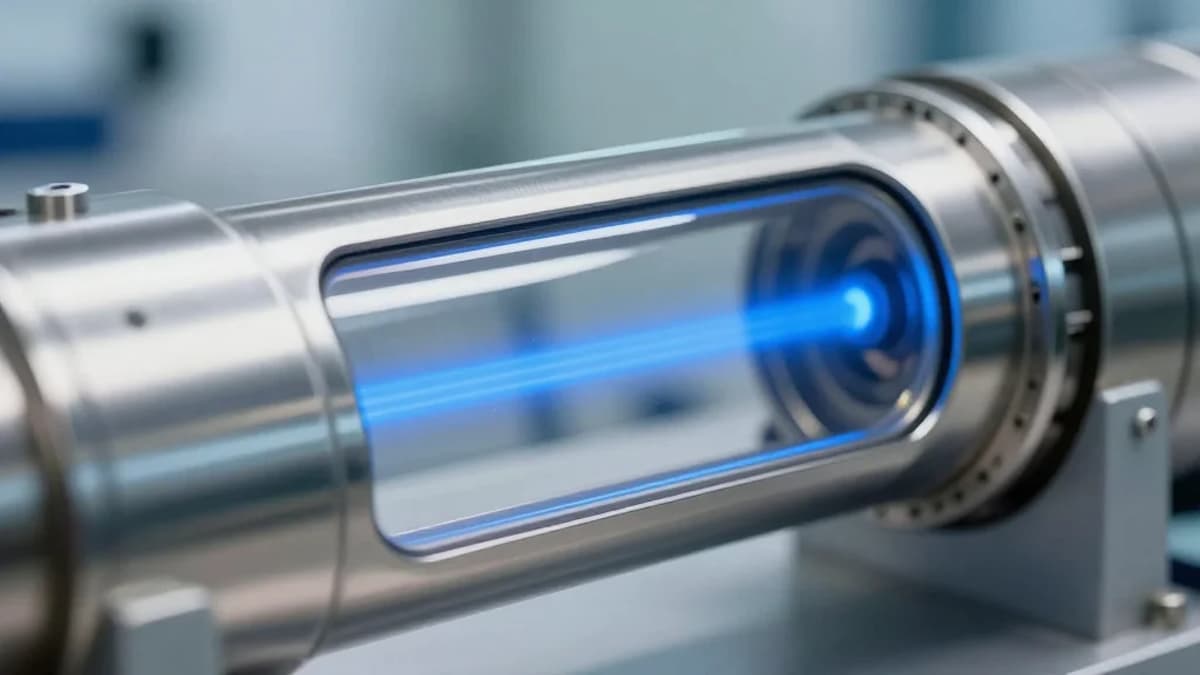
US researchers at Fermilab have successfully accelerated and stored the first proton beams in the FAST/IOTA accelerator test facility. The beams travel at roughly 7% of light speed, demonstrating the new proton injector and unique magnet system. This capability supports...
By Fermilab News
News•Mar 10, 2026
Scientists Head Underground to Measure Effects of Gamma Rays on Superconducting Qubits
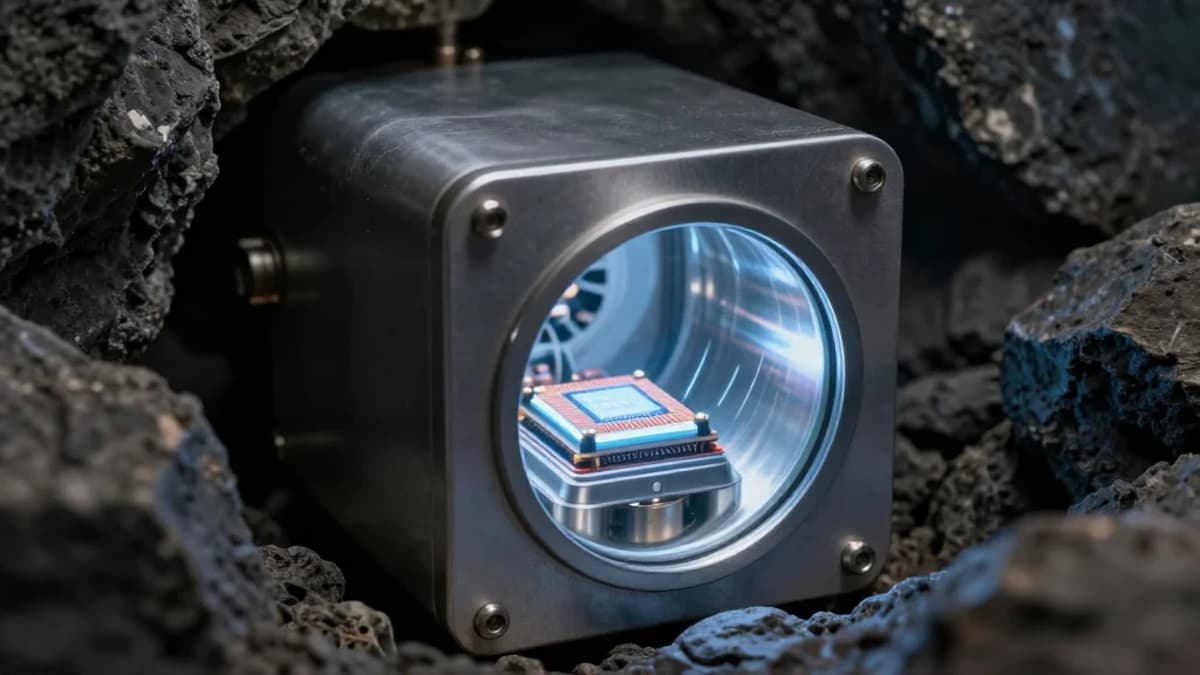
Scientists placed a four‑qubit superconducting chip 350 feet underground at Fermilab’s NEXUS lab to study how gamma rays generate correlated charge noise. By toggling a lead shield around the dilution refrigerator, they isolated gamma‑induced charge bursts from cosmic‑ray background, marking the...
By Fermilab News
News•Mar 9, 2026
Execution Mode
Norbert Holtkamp, appointed Fermilab director in December 2025, has set a clear mandate to deliver the DUNE experiment and uphold the lab’s legacy of bold, large‑scale science. He highlighted a $5 billion investment over the next decade and outlined a three‑point...
By Fermilab News
News•Mar 9, 2026
Fermilab’s FAST/IOTA Facility Achieves Major Milestone in Accelerator Research
Fermilab’s FAST/IOTA test facility has successfully accelerated its first proton beams, achieving velocities of about 7 % of light speed. The new proton injector, paired with a radio‑frequency quadrupole, expands the facility beyond its original electron‑only program. This milestone provides a...
By Fermilab News
News•Mar 5, 2026
Daresbury-Built Detector Components Arrive in US for the Flagship Neutrino Experiment
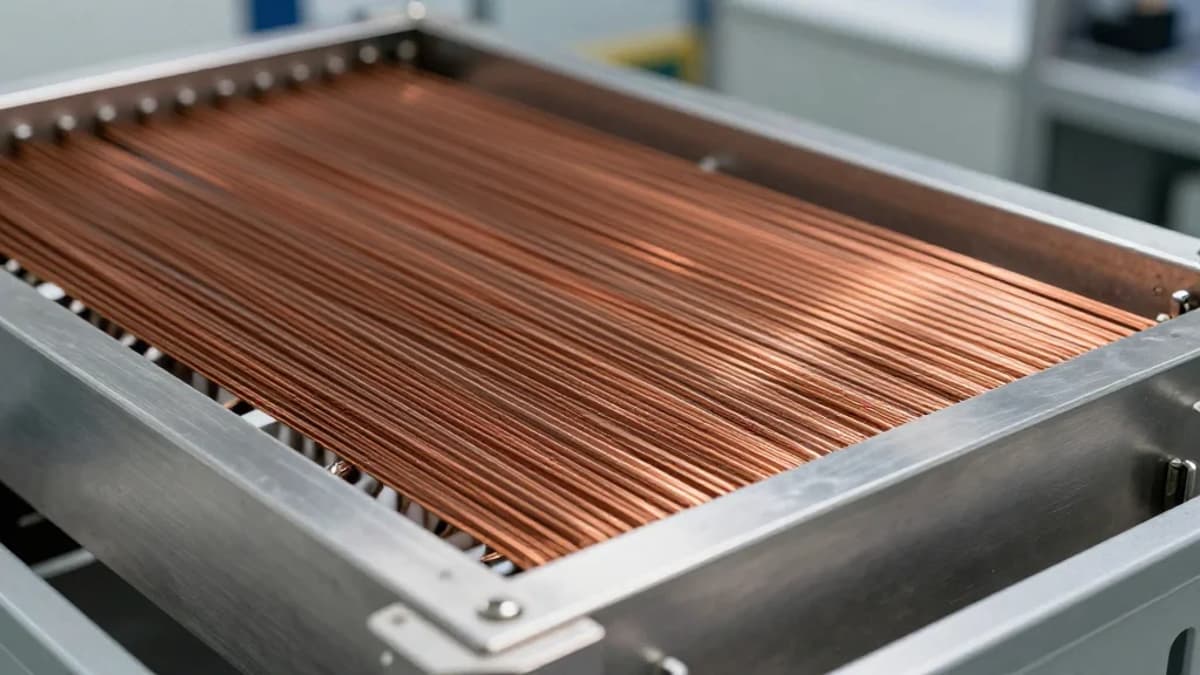
Four Anode Plane Assemblies (APAs) built at STFC’s Daresbury Laboratory have arrived at Fermilab, marking the first direct UK‑to‑US shipment for the Deep Underground Neutrino Experiment (DUNE). The UK is tasked with delivering 137 of the 150 APAs required, and...
By Fermilab News
News•Mar 5, 2026
CERN Tests Microwire Quantum Sensors for Particle Colliders and Dark Matter Detection
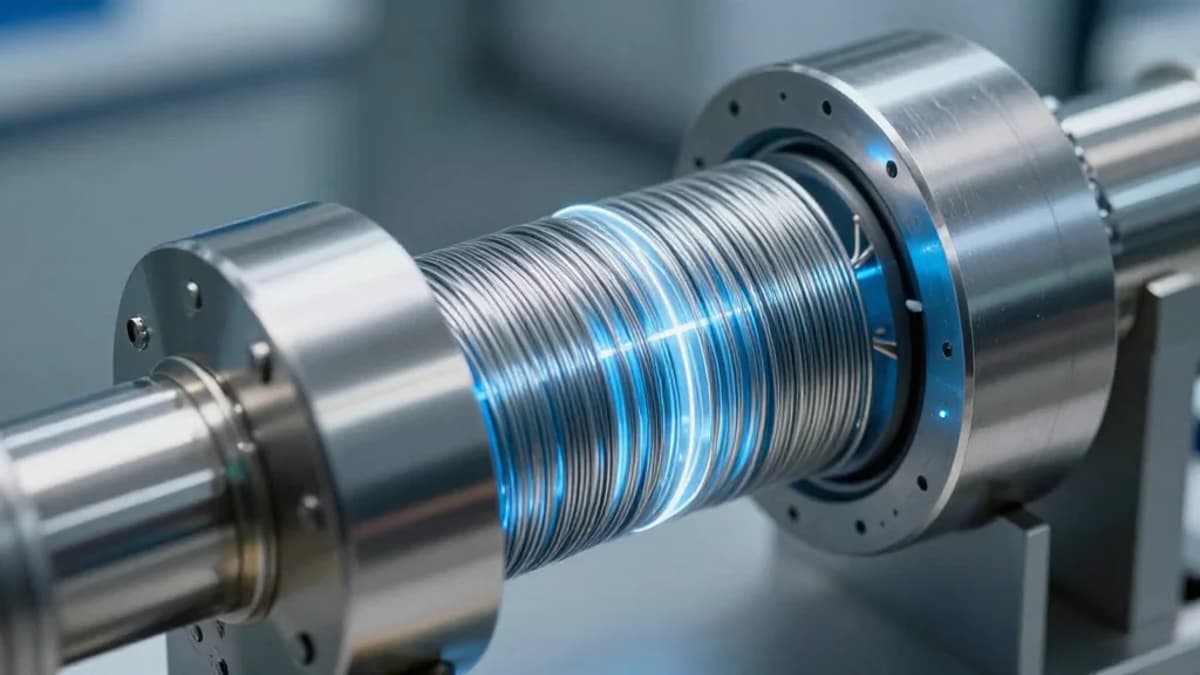
Researchers at Fermilab and CERN have demonstrated that superconducting microwire single‑photon detectors (SMSPDs) achieve markedly higher detection efficiency and timing resolution for charged particles by employing a thicker tungsten‑silicide film. The study recorded the first muon detection efficiency using SMSPDs,...
By Fermilab News
News•Mar 5, 2026
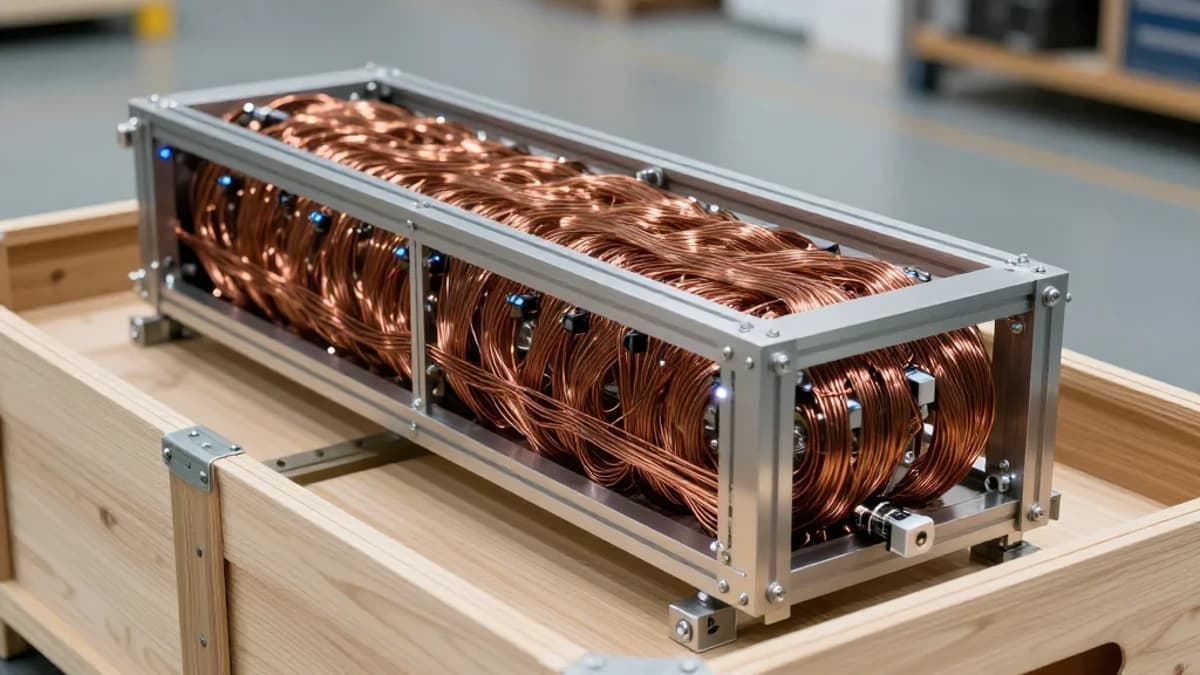
UK Detector Components Shipped to US for DUNE Experiment
The UK’s STFC Daresbury Laboratory has shipped the first four anode plane assemblies (APAs) directly to Fermilab, marking a key milestone for the Deep Underground Neutrino Experiment (DUNE). The shipment brings the UK’s total completed APAs to 50 of the...
By Fermilab News