American Journal of Public Health Series on Ultraprocessed Foods: My Editorial
The American Journal of Public Health released a new open‑access series on ultraprocessed foods, paired with the Fed UP! initiative that aims to shape policies reducing consumption of these products. The series highlights the 2025‑2030 Dietary Guidelines for Americans, the first to explicitly advise limiting highly processed foods, signaling a departure from previous guidance. Marion Nestle’s editorial critiques the guidelines, pointing to strong observational evidence, a landmark randomized trial showing a 500‑calorie excess on an ultraprocessed diet, and potential industry influence. The campaign calls for a suite of policy levers—taxes, subsidies, marketing restrictions—to complement education.
American Journal of Health Promotion: Papers on Misinformation: My Latest
The True Health Initiative’s 2nd Annual Global Health Misinformation Symposium has resulted in a set of open‑access papers published in the American Journal of Health Promotion under the “Knowing Well, Being Well” collection. Marion Nestle’s contribution examines how food‑industry funding skews...
Artificial Sweeteners: Risks Vs. Benefits?
The FDA maintains that artificial sweeteners are safe at current consumption levels, setting Acceptable Daily Intakes far above typical use. Brands are leveraging new sweet proteins and low‑calorie formulations to meet consumer demand for reduced sugar without sacrificing taste. At...

Meat Industry Consolidation: A National Security Issue?
Four meatpackers—JBS, Tyson Foods, Cargill, and National Beef—control roughly 80% of U.S. beef processing, driving historically high steak and hamburger prices. The Trump administration, via USDA Secretary Brooke Rollins, frames this concentration as a national‑security threat because half of the...
Official Announcement: Sugar Coated
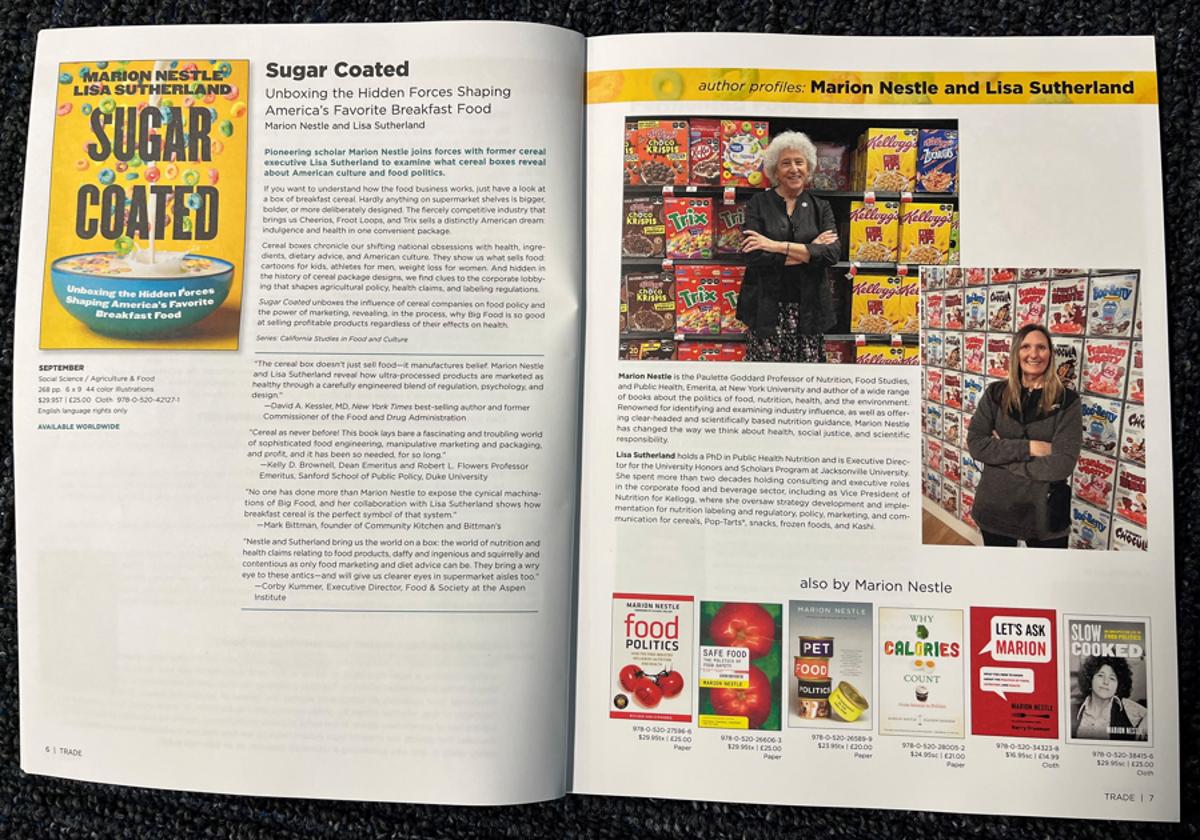
Marion Nestle announced her latest book, *Sugar Coated*, slated for publication on September 8, 2026 by the University of California Press. The title, her seventh collaboration with UC Press, showcases 44 full‑color, full‑page cereal‑box illustrations that examine sugar’s role in the food system....
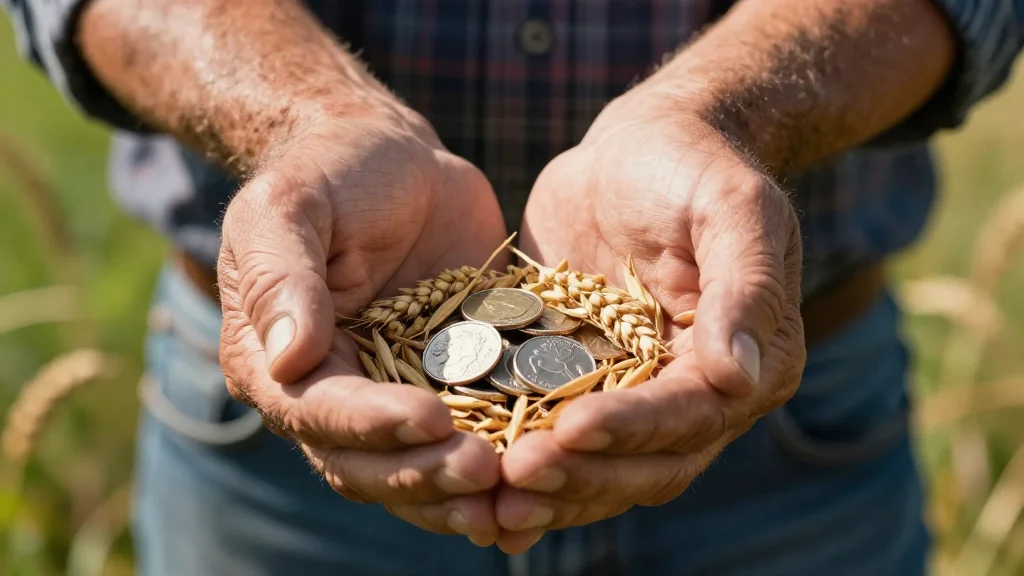
Farmers Get Short-Changed in Our Current Food System
USDA’s Food Dollar series shows that U.S. farmers receive less than six cents for every food dollar earned in 2023, while processing, retail and service sectors capture the bulk of revenue. The stark distribution explains the ongoing decline in farm...
FDA Says Infant Formulas Are Free of Toxic Metals (Mostly)
The FDA released a one‑page report after testing more than 300 infant‑formula samples, finding that most products contain toxic metals at levels well below health‑based limits. The agency did not identify the brands tested, set formal contaminant standards, or assess...
Industry-Funded Study of the Week: Full-Fat Dairy and Body Weight
A 12‑week Canadian trial added three daily servings of full‑fat dairy to the diets of overweight and obese adults following Canada’s Food Guide. Participants who increased dairy intake lost weight, lowered BMI, and consumed more protein and calcium. The research...
Weekend Reading: It’s All Your Fault
Nick Chater and George Loewenstein’s new book *It’s On You* argues that society’s biggest problems—from obesity to climate change—are framed as individual failures rather than systemic flaws. The authors introduce the i‑frame versus s‑frame concept, showing how powerful interests shape...

Cell-Based Chocolate? Oh, Why Not.
Celleste Bio has produced the world’s first milk chocolate bar using cell‑cultivated cocoa butter, marking a breakthrough in lab‑grown food technology. The process extracts cocoa cells, ferments them with nutrients, and converts the resulting biomass into chocolate‑grade butter, yielding enough...

Preempting the GRAS Loophole: Not a Good Idea
The Environmental Working Group warns that the draft "Fresh and Affordable Foods Act," introduced by Rep. Kat Cammack, would preempt state food‑chemical regulations and expand the controversial GRAS loophole. The bill would retroactively deem all existing GRAS substances safe, allow...

Weekend Reading: Online Marketing of Soda and Alcohol
Vital Strategies released two AI‑driven reports exposing how soda and alcohol brands dominate social media, embedding themselves in sports highlights, influencer content and viral moments. The Coca‑Cola analysis uncovered 795 posts linked to the 2025 FIFA Club World Cup, generating...
Current Events in Agricultural Chemicals
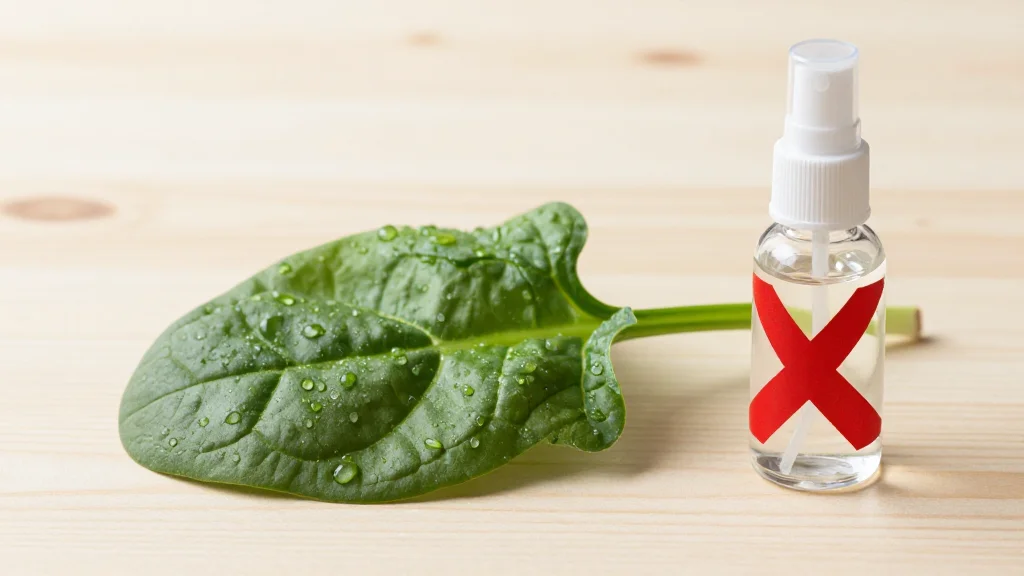
Make America Health Again (MAHA) is intensifying its campaign to eliminate synthetic agricultural chemicals from the U.S. food supply, citing the Environmental Working Group’s Dirty Dozen report that flags spinach as the most pesticide‑laden produce. The push coincides with a...
Annals of Food Marketing: Some New Items
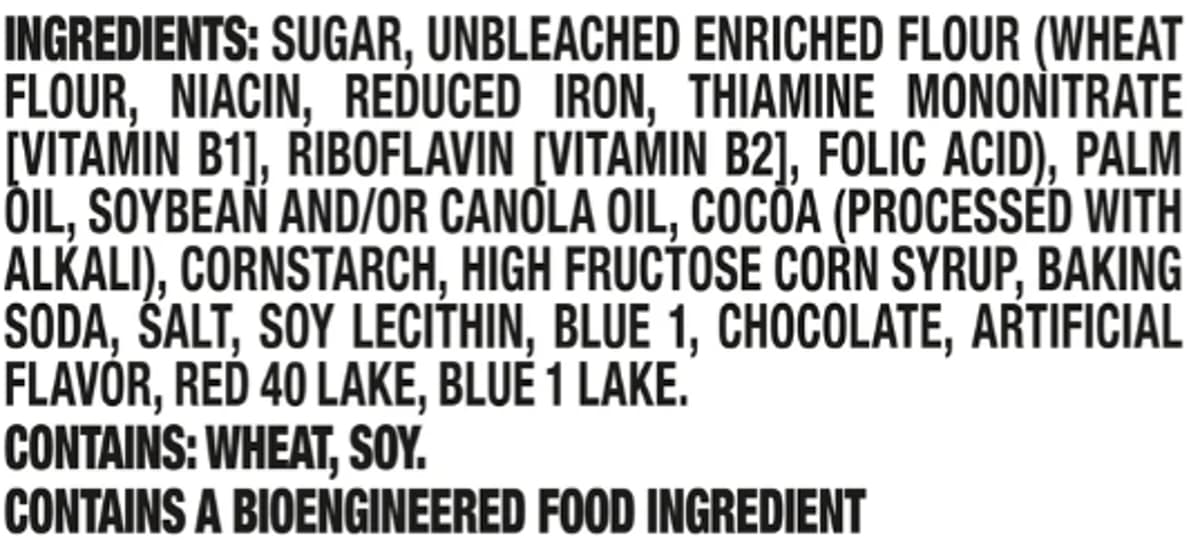
The article surveys recent food‑marketing innovations, from functional‑ingredient trends to novel protein alternatives and culturally driven flavors. It highlights AlgaeCore’s algae‑based salmon substitute, a forecast that global seaweed snack sales could hit $4.66 billion by 2030, and premium ice‑cream flavors gaining...

Weekend Reading: Manufacturers Feed America
The National Association of Manufacturers released a report titled “Manufacturers Feed America,” warning that a wave of state‑level ingredient bans, warning labels, and disclosure mandates could raise food prices and trigger job losses. The report argues that complying with divergent...