
Recent Posts
News•Feb 17, 2026
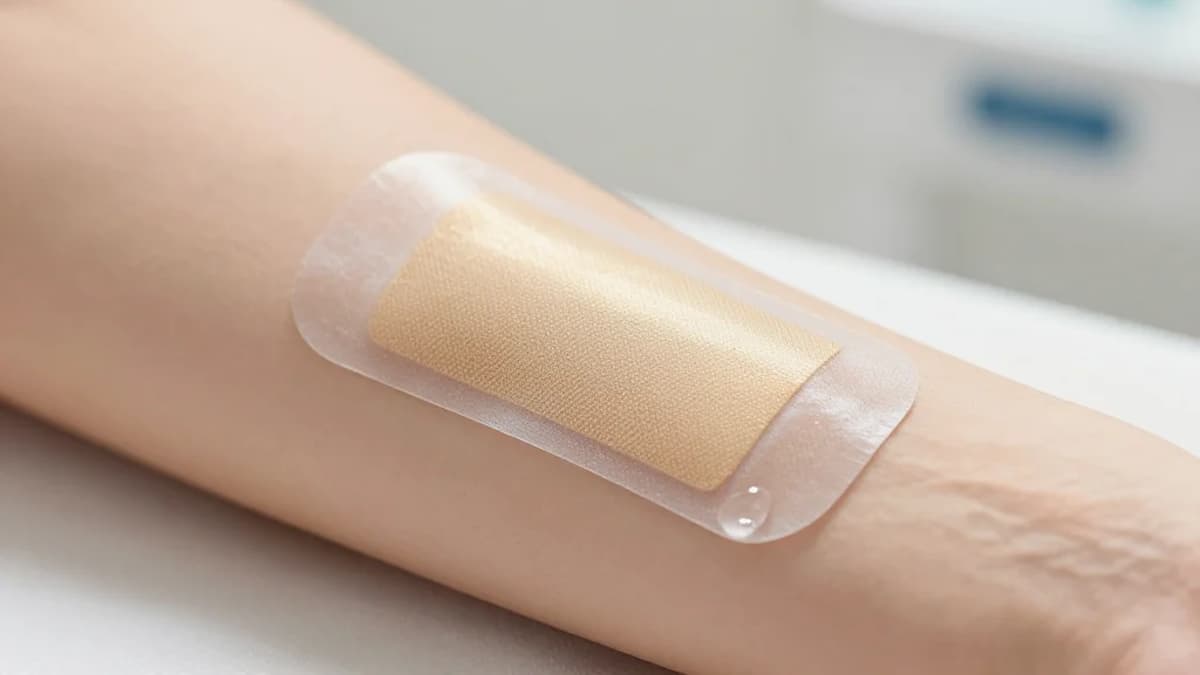
Key Obstacle to Integrated Bioelectronic Implants Removed with Use of Solid-State Hydrogel
Swedish researchers have created a photo‑patternable solid‑state hydrogel electrolyte using i‑carrageenan and PEGDA, achieving ionic conductivity above 10 mS cm⁻¹ and feature sizes down to 15 µm. The material replaces liquid electrolytes in organic electrochemical transistors (OECTs), enabling fast, dense, and flexible circuits that can be implanted without leakage. A proof‑of‑concept spiking neuron circuit was wrapped around the mouse vagus nerve, producing controlled heart‑rate reductions while remaining stable after implantation. The work demonstrates a scalable path toward reliable bioelectronic therapies.
By FrogHeart

News•Feb 16, 2026
Neuromorphic Night Vision Powered by Quantum Dots with Memory
Researchers have engineered ferroelectric quantum dots that embed internal electric fields, enabling efficient charge separation under dim illumination. By coating cadmium‑selenide dots with a ferroelectric polyvinylidene fluoride polymer, they created a floating‑gate phototransistor that stores light‑induced charges as a persistent...
By FrogHeart

News•Feb 5, 2026
Nanomaterial Restoration of Colossal Statues on Mount Nemrut (Türkiye)
Turkey’s Ministry of Culture and Tourism has expanded a nanotechnology‑based conservation program to protect the colossal limestone and sandstone statues on Mount Nemrut, a UNESCO World Heritage site. The project, which began with pilot work in 2022, now uses nano‑lime...
By FrogHeart

News•Jan 29, 2026
Engineering Graphene to Block and Detect Malaria
A recent review in Advanced NanoBiomed Research maps how graphene and its derivatives could be deployed at multiple points in the malaria fight. It details synthesis routes—from mechanical exfoliation to green chemistry— and highlights three intervention zones: physical barriers on...
By FrogHeart
News•Jan 16, 2026
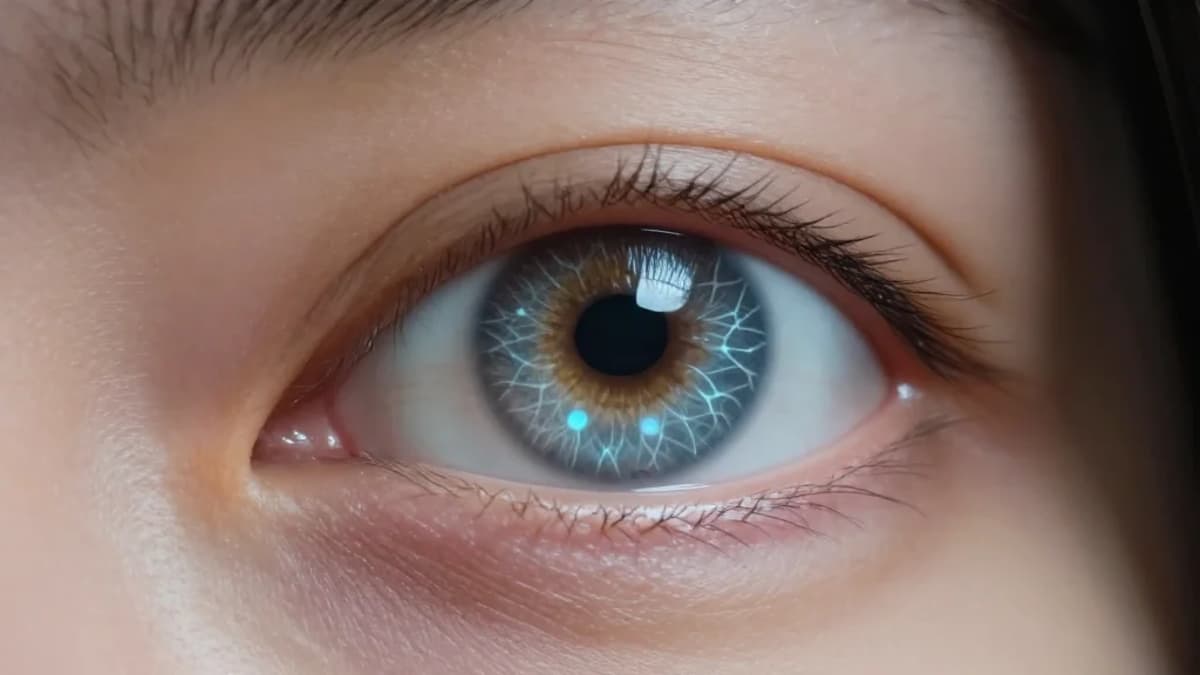
Upcoming US Clinical Trial to Test a Tiny Eye Implant that Could Restore Sight for Age-Related Macular Degeneration (AMD)
USC’s Roski Eye Institute, together with Regenerative Patch Technologies, is launching a phase 2b, multicenter, masked clinical trial of a stem‑cell‑derived retinal pigment epithelium (RPE) implant for advanced dry age‑related macular degeneration (AMD). The ultra‑thin patch, derived from embryonic stem...
By FrogHeart

News•Jan 9, 2026
Relief From Tooth Sensitivity with Magnetically Guided Nanobots
Researchers at IISc and deep‑tech startup Theranautilus have engineered CalBots, magnetic nanobots that penetrate dentinal tubules and form durable bioceramic seals to alleviate tooth hypersensitivity. The 400‑nm particles are guided by an external magnetic field, reaching depths of 300‑500 µm and...
By FrogHeart

News•Jan 9, 2026
A Bioinspired Hydrogel Patch with Controllable Adhesion Properties for Enhanced Soft Tissue Repair
Researchers from Shenzhen University, the Chinese Academy of Sciences and Hong Kong Polytechnic University have created a bioinspired hydrogel patch with controllable adhesion for soft tissue repair. The dual‑sided device combines a suction‑cup‑like adhesive layer that can be repositioned and...
By FrogHeart

News•Jan 8, 2026
Healing Brain Cells and Tackling Neurodegenerative Diseases with Nanoflowers
Researchers at Texas A&M have shown that metallic “nanoflower” nanoparticles can protect and repair brain cells by improving mitochondrial health. In cell cultures, the nanoflowers sharply lowered reactive oxygen species and enhanced mitochondrial integrity within a day, and in C....
By FrogHeart