
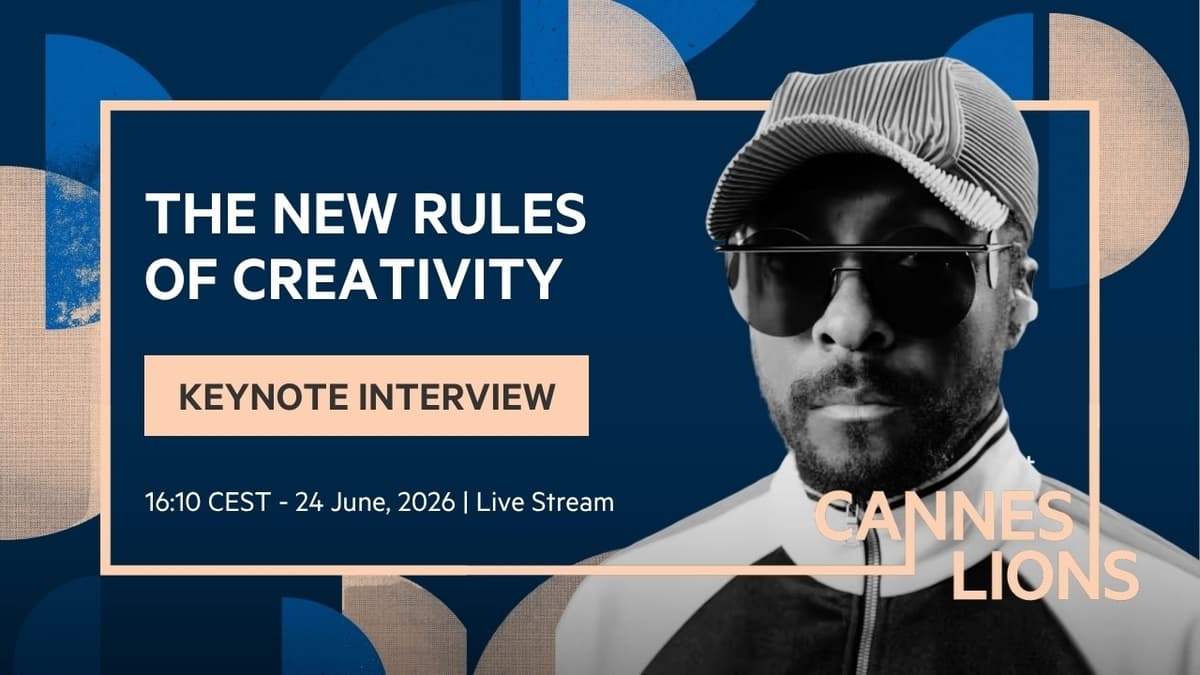
Keynote Interview with will.i.am | FT Session at Cannes Lions
In a Cannes Lions FT Session, musician‑entrepreneur will.i.am delivered a keynote interview that turned to the shortcomings of today’s artificial‑intelligence systems. He argued that the dominant “connectionist” approach treats AI as a cascade of mathematical functions that hunt for statistical correlations in massive datasets. While this yields impressive pattern‑recognition, it ignores cause‑and‑effect, leaving machines unable to reason beyond prediction. “Correlation is not causation,” he emphasized, noting that without causal models AI can’t explain why a trend occurs, only that it will likely recur. He cited examples such as predictive advertising that optimizes clicks but fails to understand consumer motivations. The critique signals a strategic shift for tech firms: investing in causal inference, hybrid symbolic‑neural architectures, and explainable AI could unlock new value streams and reduce regulatory risk. Companies that adopt such frameworks may gain competitive advantage in sectors demanding accountability, from finance to healthcare.

Victoria Beckham: From "Celebrity Brand" To Global Luxury Business | #FTLuxury
Victoria Beckham discussed the evolution of her eponymous label, emphasizing its shift from a celebrity‑driven name to a respected global luxury house. After two decades of building fashion and, more recently, clean‑beauty lines, the brand now projects $170 million in revenue...

Inside Dior’s New Era: Jonathan Anderson and Delphine Arnault in Conversation | #FTLuxury
In a rare public dialogue, Dior’s CEO Delphine Arnault and Creative Director Jonathan Anderson outlined the house’s new strategic direction. Arnault’s 2023 decision to give Anderson oversight of women’s, men’s and couture collections marks the first time a single designer...
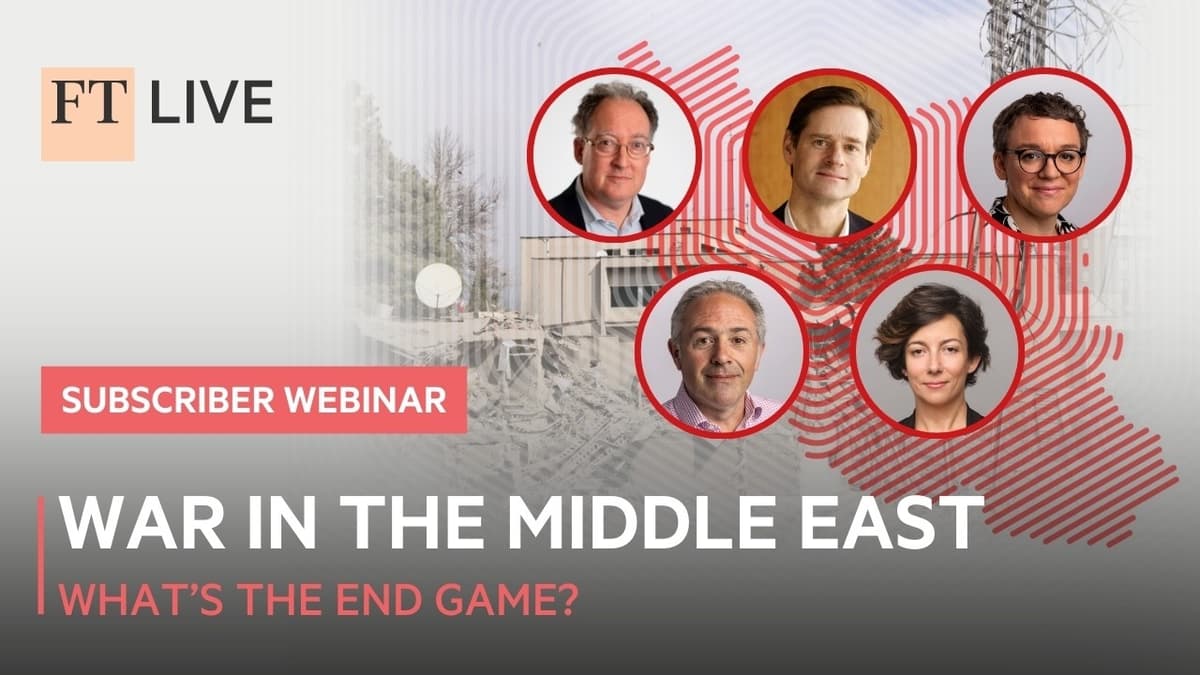
US–Israel Strikes on Iran: What Happens Next? | FT Experts Analyse the Middle East Conflict
Financial Times journalists hosted a live webinar to dissect the February 28 US‑Israel strikes on Iran and Tehran’s subsequent retaliation. The panel of columnists evaluated the strategic intent behind the attacks, the domestic political pressures on Washington and Jerusalem, and...