News•Mar 10, 2026
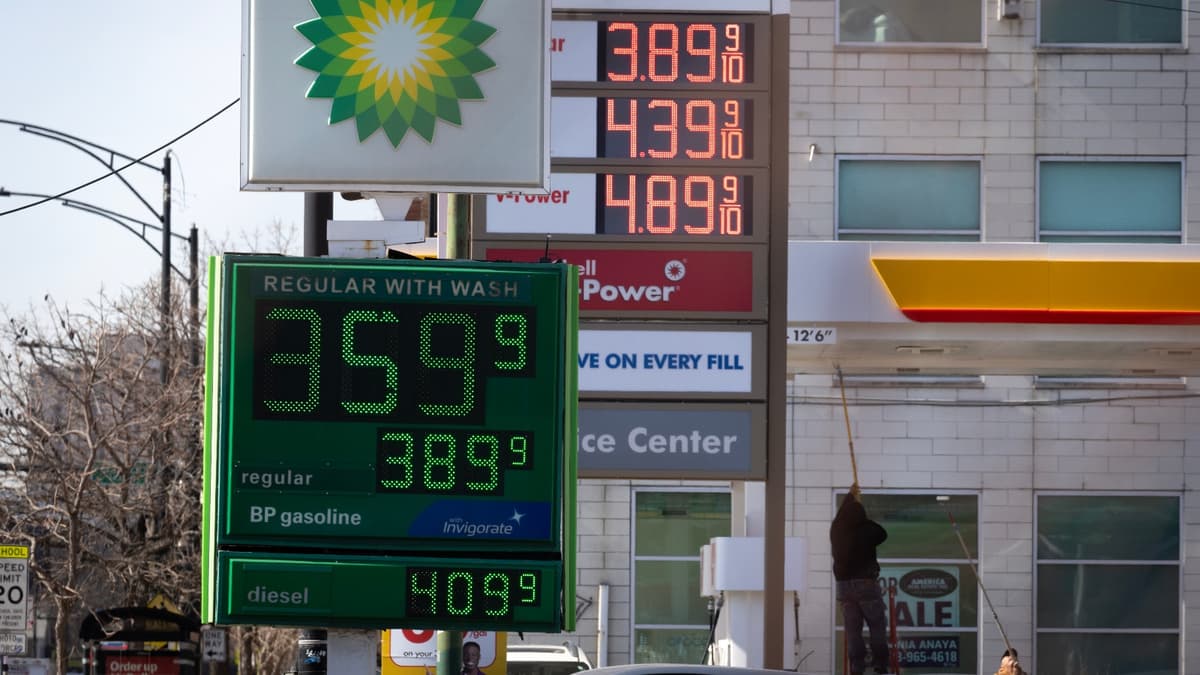
As Gas Prices Soar, Trump Is Ignoring the Lessons of the Last Oil Crisis
The U.S. faces a new oil shock as the Strait of Hormuz closure drives gasoline prices above $3 per gallon, echoing the 1973 embargo. While domestic shale production and higher vehicle fuel economy have reduced the economy’s gasoline intensity, the Trump administration has rolled back key emissions and fuel‑efficiency standards that had been instituted after the 1970s crisis. EPA analyses assumed low future fuel prices, but the current price surge could erase any consumer savings from cheaper‑priced cars. Critics warn the deregulation leaves Americans vulnerable to volatile global oil markets.
By Grist

News•Mar 10, 2026
The Feds Pulled $1.5B From Tribal Clean Energy. Tribes Are Finding Another Way.
The Trump-era tax bill stripped $1.5 billion from tribal clean‑energy programs, leaving nearly 1,600 projects underfunded. In response, the Colorado River Indian Tribes launched an agrivoltaics pilot through the new financing entity Huurav, pairing solar panels with crops. Tribes are turning...
By Grist

News•Mar 10, 2026
Ocean Speed Limits Protect Endangered Right Whales. Trump Wants to Weaken Them.
Since 2008 NOAA has required ships 65 feet or longer to travel at reduced speeds in North Atlantic waters where endangered North Atlantic right whales congregate. The rule is credited with more than 270 calf births, though the species remains far...
By Grist
News•Mar 9, 2026
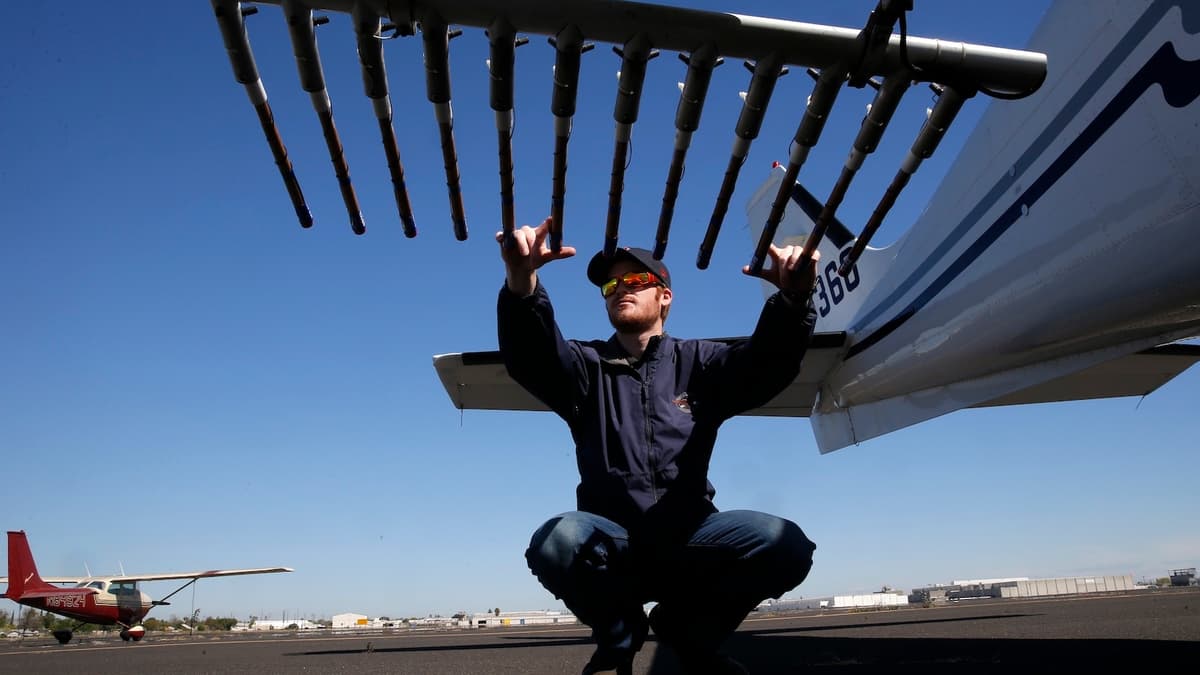
The US Barely Bothers to Track Geoengineering. What Could Go Wrong?
A recent Government Accountability Office report reveals that the United States lacks effective oversight and transparent reporting for geoengineering activities, from decades‑old cloud‑seeding to emerging solar‑radiation projects. NOAA’s reporting forms have not been updated since 1974, resulting in incomplete, often...
By Grist
News•Mar 9, 2026
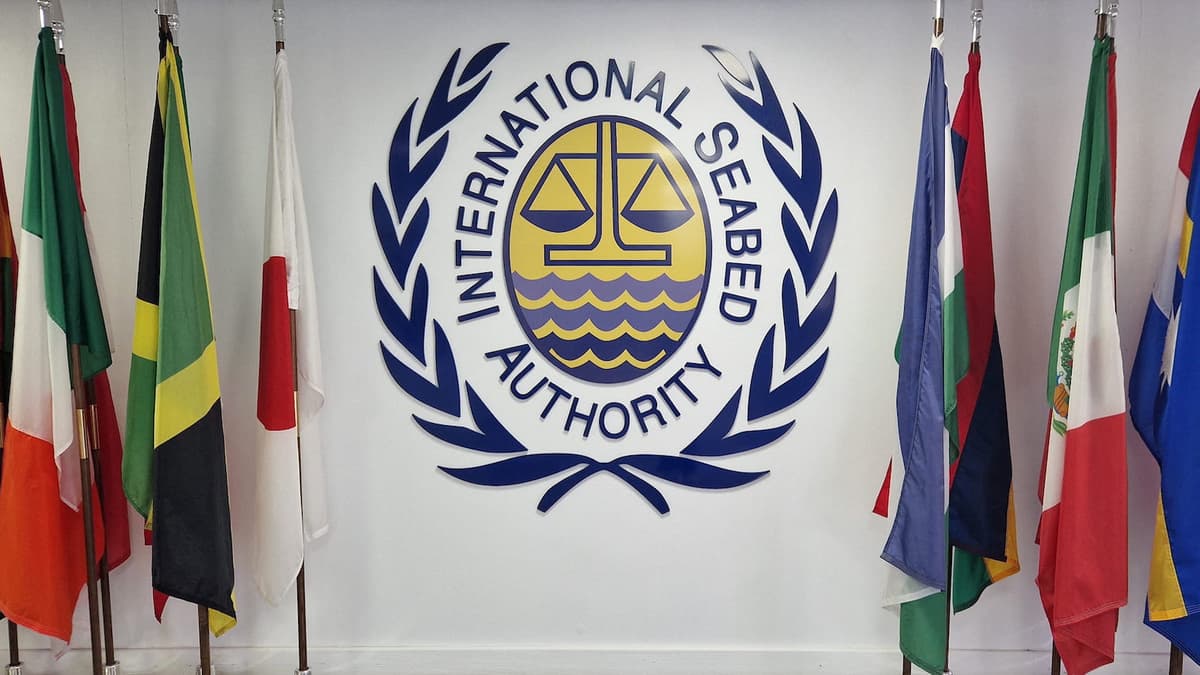
Indigenous Rights, the Environment, and International Law: What’s at Stake at This Week’s Seabed Mining Talks
Indigenous advocates are watching the International Seabed Authority’s meeting in Jamaica, where representatives from about thirty‑six nations will discuss finalizing a global mining code by the end of 2026. The ISA has spent a decade drafting rules for extracting cobalt,...
By Grist

News•Mar 3, 2026
Enbridge Paid Police to Protect One Pipeline. Now It Wants to Do It Again in Wisconsin.
Enbridge has secured a Public Safety Expense Reimbursement Agreement with Ashland and Iron counties, allowing the company to pay Wisconsin law‑enforcement for riot gear, training and policing of Line 5 protests. The uncapped arrangement follows Enbridge’s start of construction on a...
By Grist