
The Association of Alzheimer’s Disease and Related Dementias Blood-Based Biomarkers With Depressive Symptoms
Researchers examined blood‑based biomarkers of Alzheimer’s disease in nearly 12,000 community‑dwelling seniors from the ASPREE trial to determine links with depressive symptoms. In fully adjusted models, only plasma glial fibrillary acidic protein (GFAP) remained significantly associated with higher CES‑D‑10 scores, while amyloid‑beta ratio, phosphorylated tau181, and neurofilament light chain showed no independent effect. The GFAP‑depression relationship was most evident in men and non‑carriers of APOE ε4, though interaction tests were not statistically significant. These findings point to neuroinflammation as a potential pathway connecting late‑life depression and AD pathology.

2026 AAN Annual Meeting Highlights
The 2026 AAN Annual Meeting revealed a sharp rise in early‑onset Alzheimer’s disease (EOAD) mortality, climbing from 0.08 to 2.06 deaths per million and disproportionately affecting women and Black patients. Comparative trials showed multimodal lifestyle interventions delivering over 200% cognitive...

Enhancing Alzheimer Disease Detection Using Neuropsychiatric Symptoms: The Role of Mild Behavioral Impairment in the Revised NIA-AA Research Framework
A recent analysis of 1,327 dementia‑free participants from the Alzheimer’s Disease Neuroimaging Initiative found that mild behavioral impairment (MBI) significantly predicts core Alzheimer’s biomarkers. Individuals with MBI were more than twice as likely to show CSF amyloid‑β42 positivity (aOR = 2.26) and...

Lessons Learned From Drug Development Programs in Autism: Implications for Future Programs
The article synthesizes expert insights on why autism drug development has lagged, highlighting the lack of approved therapies for core symptoms and the challenges posed by biological and clinical heterogeneity. It outlines six key learnings, including the need to measure...

Part 1—Jason Aldred, MD: Understanding Possible Side Effects When Treating Patients with Parkinson’s Disease
Dr. Jason Aldred of Selkirk Neurology highlights the safety profile of Vyalev (foscarbidopa/foslevodopa), a subcutaneous therapy for Parkinson's disease. He notes that injection‑site reactions such as erythema, swelling, tenderness, bruising, and induration are the most common adverse events. Aldred advises...

Letters to the Editor: Post-SSRI Sexual Dysfunction: Challenges and Treatment Approaches
Selective serotonin reuptake inhibitors revolutionized mood‑disorder treatment but often cause sexual side effects. A subset of patients experiences post‑SSRI sexual dysfunction (PSSD), where libido loss, erectile problems and orgasmic difficulties persist months or years after discontinuation. The underlying neurochemical mechanisms...

Letters to the Editor: Responding to Correspondence on “Burnout and Ethical Awareness in Mental Health Professionals: A Correlational Study”
The authors respond to critiques of their correlational study linking burnout and ethical awareness among mental‑health professionals in Lahore, Pakistan. They acknowledge the purposive, non‑probability sampling limits generalizability but argue it was necessary given fragmented service delivery. Findings showed age...

Letters to the Editor: “AI Literacy” Is a Deflection of Responsibility
Letter in Innovations in Clinical Neuroscience argues that promoting "AI literacy" shifts blame from developers to users. It points out that LLM chatbots’ textual interfaces and hype‑driven marketing deliberately encourage users to anthropomorphize and deify the technology, increasing psychosis risk....

Letters to the Editor: Response to “‘AI Literacy’ Is a Deflection of Responsibility”
In a letter to Innovations in Clinical Neuroscience, Dr. Joseph M. Pierre expands on his earlier case report of AI‑associated psychosis, arguing that responsibility for harm must be shared between users and chatbot developers. He cites a growing number of...

Exploring Anticholinergic Burden in a Psychiatric Inpatient Population
A retrospective study of 250 psychiatric inpatients measured anticholinergic toxicity scores (ATS) at two seasonal points, finding an average total ATS of eight. Approximately 75% of patients in both winter and spring cohorts exceeded the clinically significant threshold of five,...
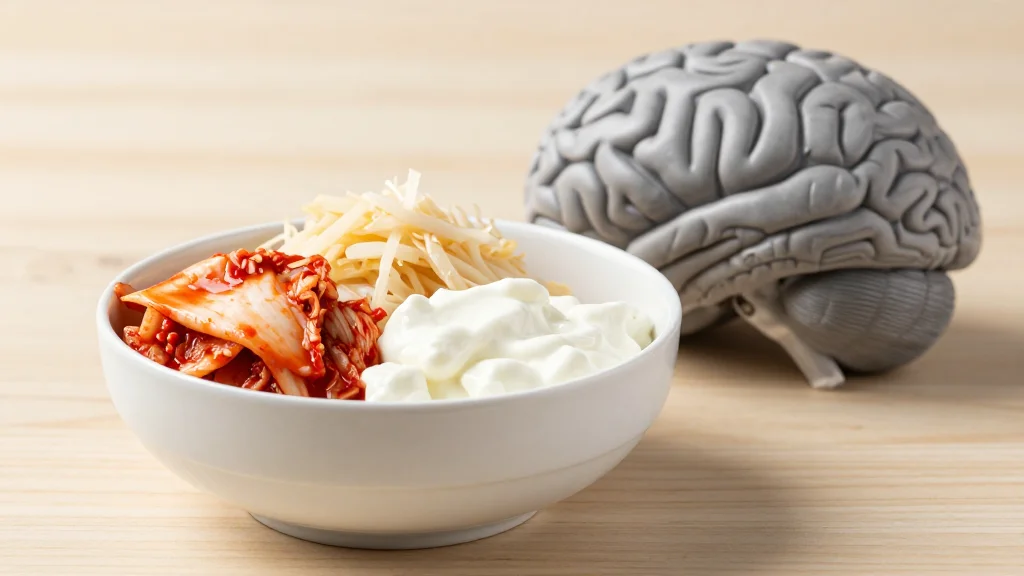
Gut Microbiota as a Therapeutic Target for Chronic Pain Disorders
The article reviews emerging evidence that gut microbiota modulation could treat chronic pain disorders such as fibromyalgia, IBS, and temporomandibular joint disease. It links central neurobiological changes—reduced medial prefrontal white matter and altered default‑mode network connectivity—to dopaminergic dysfunction. Dysbiosis, especially...

Multifactorial Approach for Depression in Multiple Endocrine Neoplasia 2A (MEN2A): A Case Report
The case report details a 21‑year‑old male with multiple endocrine neoplasia type 2A (MEN2A) who presented with severe depression, psychosis, and suicidality. After ruling out endocrine‑driven causes such as hypothyroidism, hyperparathyroidism, and pheochromocytoma, clinicians identified a primary psychiatric etiology and...