International Institute for Nanotechnology
Publication
0 followers
YouTube channel for Northwestern University’s International Institute for Nanotechnology (IIN). It features lectures, panel discussions, and updates on cutting-edge nanotech research and innovations, showcasing work by top nanoscientists and the institute’s role in advancing nanotechnology.
Recent Posts
Video•Feb 9, 2026
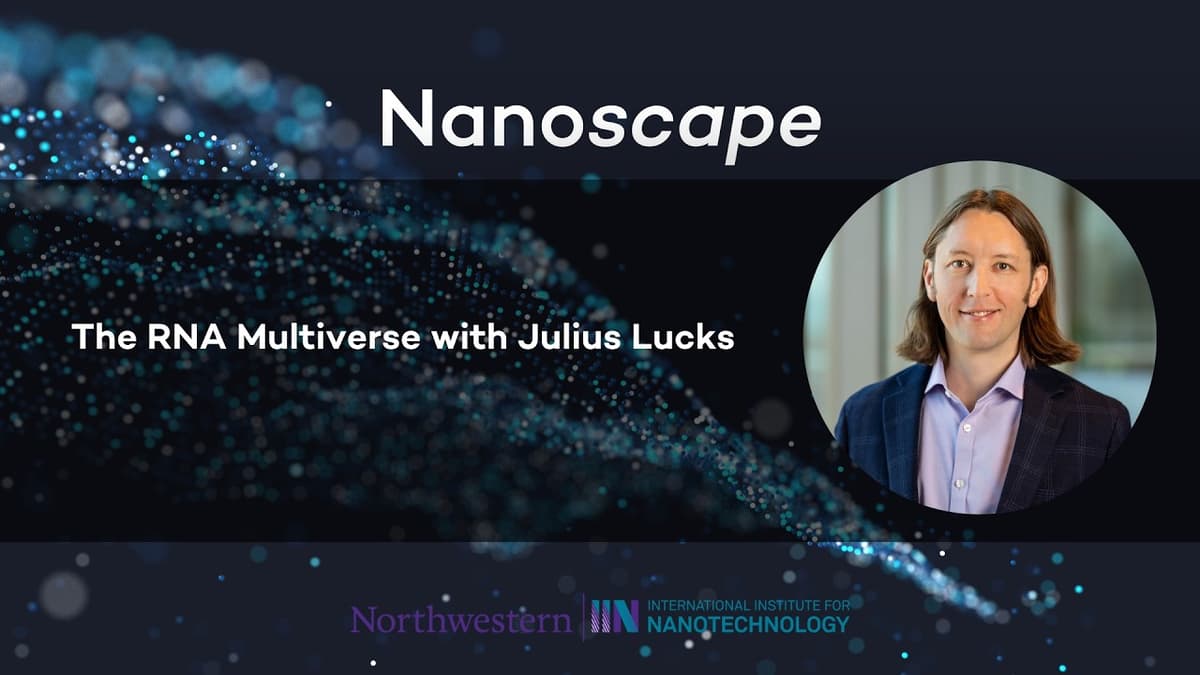
The RNA Multiverse with Julius Lucks
The Nanoccape episode spotlights Professor Julius Lucks, a chemical‑engineer turned synthetic biologist, who explores RNA’s “multiverse” – its ability to fold, wiggle, and act as a molecular computer. Leveraging nanotechnology principles, Lucks and his team engineered RNA sensors that emit light when they encounter specific water contaminants, a platform they dubbed Roslyn after Rosalind Franklin. Lucks explains that RNA’s dual role – storing genetic information like DNA while actively reshaping to perform chemical tasks – makes it uniquely suited for programmable biosensors. By marrying high‑resolution folding models with next‑gen sequencing “chemical microscopes,” his lab captured the first movie of a nascent RNA molecule, a clip that went viral when set to salsa music. The viral moment sparked broader interest, even drawing attention from NIH director Francis Collins. The technology’s real‑world test came through a partnership with anthropologist‑wife Sarah Young, who identified a need for low‑cost water‑quality diagnostics in underserved communities. The resulting Roslyn assay, essentially an at‑home COVID‑style test for toxins, has been piloted in African villages and Chicago neighborhoods, providing immediate visual feedback on water safety. Lucks’ story illustrates a feedback loop where field demands shape fundamental research, underscoring the power of interdisciplinary, human‑centered design. As RNA‑based diagnostics scale, they promise faster, cheaper monitoring of environmental health, potentially reshaping global public‑health infrastructure.
By International Institute for Nanotechnology
Video•Jan 12, 2026
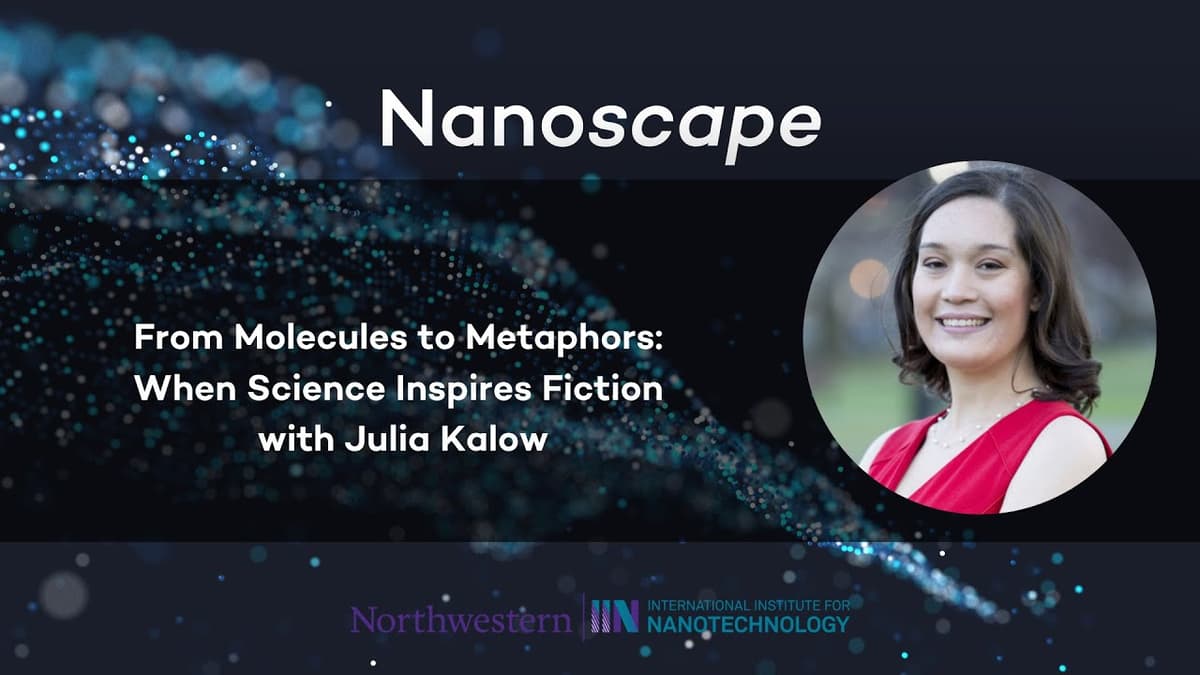
From Molecules to Metaphors: When Science Inspires Fiction with Julia Kalow
The Nanocape podcast featured Northwestern chemist and creative‑writing graduate Julia Kalow, who discussed how storytelling and nanoscience intersect and how her dual background shapes her research. Kalow explained that writing is a form of thinking that clarifies grant proposals and drives...
By International Institute for Nanotechnology