
Recent Posts

News•Feb 26, 2026
The Hydrothermal Treatment Effect on the Transverse Relaxivity Values of DyF3 Nanoparticles Colloidal Solutions
Researchers investigated how hydrothermal processing—both classic autoclave and microwave irradiation—affects the transverse relaxivity (r₂) of DyF₃ nanoparticle colloids. Using ¹H NMR at magnetic fields of 0.6 T, 3.65 T and 9.4 T, they found that autoclave‑treated samples exhibit the highest r₂ values, outperforming untreated and microwave‑treated counterparts. The study identifies optimal nanoparticle sizes for each field strength, confirming DyF₃ particles as effective T₂ MRI contrast agents. These findings provide a pathway to tailor nanoparticle synthesis for enhanced imaging performance.
By International Journal of Nanoscience

News•Feb 26, 2026
Impact of Tungsten, Iron and Molybdenum on the TiO2 Geometrical Network and Optoelectronic Properties
The study employs density functional theory to evaluate how tungsten (W), iron (Fe) and molybdenum (Mo) dopants modify the electronic and optical behavior of anatase TiO₂. Single‑doping with W, Fe or Mo narrows the band gap from 2.12 eV to 2.0 eV,...
By International Journal of Nanoscience
News•Feb 19, 2026
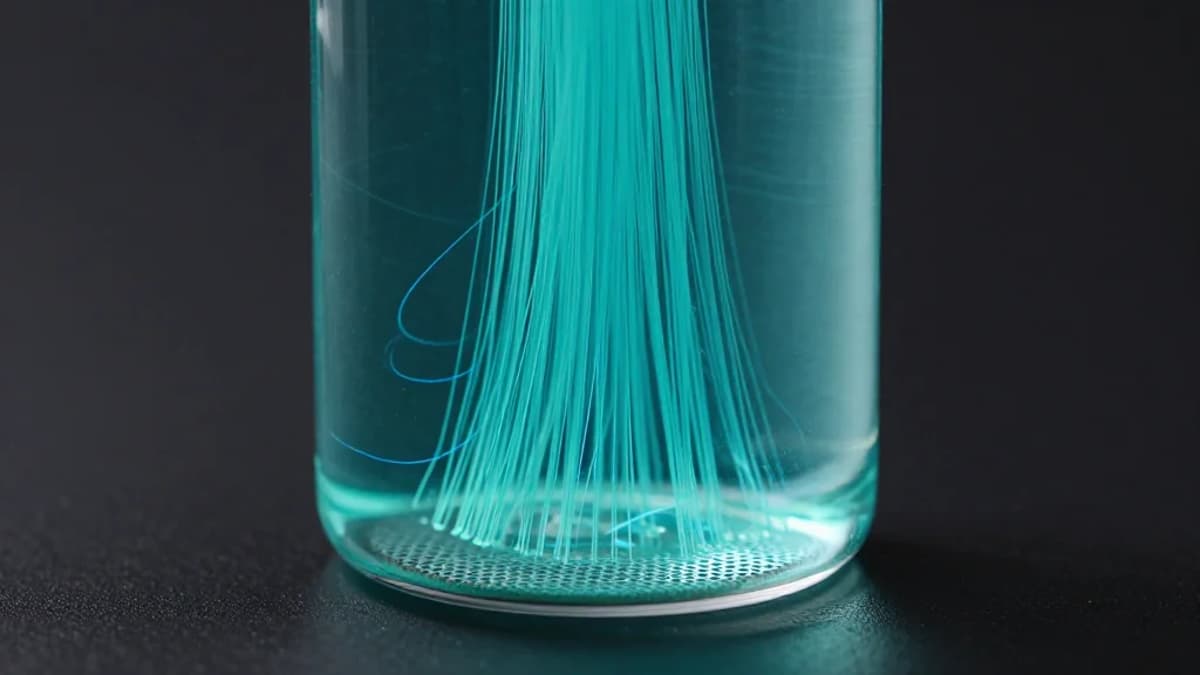
Thermal Performance Analysis of Magnetohydrodynamics with Carbon Nanotubes on a Stretching/Shrinking Porous Sheet
The study analytically examines magnetohydrodynamic (MHD) flow of carbon‑nanotube (CNT) nanofluids over a stretching or shrinking porous sheet, incorporating slip, radiation, and heat source/sink effects. Using similarity transformations, the governing equations are reduced to nonlinear ordinary differential equations and solved...
By International Journal of Nanoscience
News•Feb 19, 2026
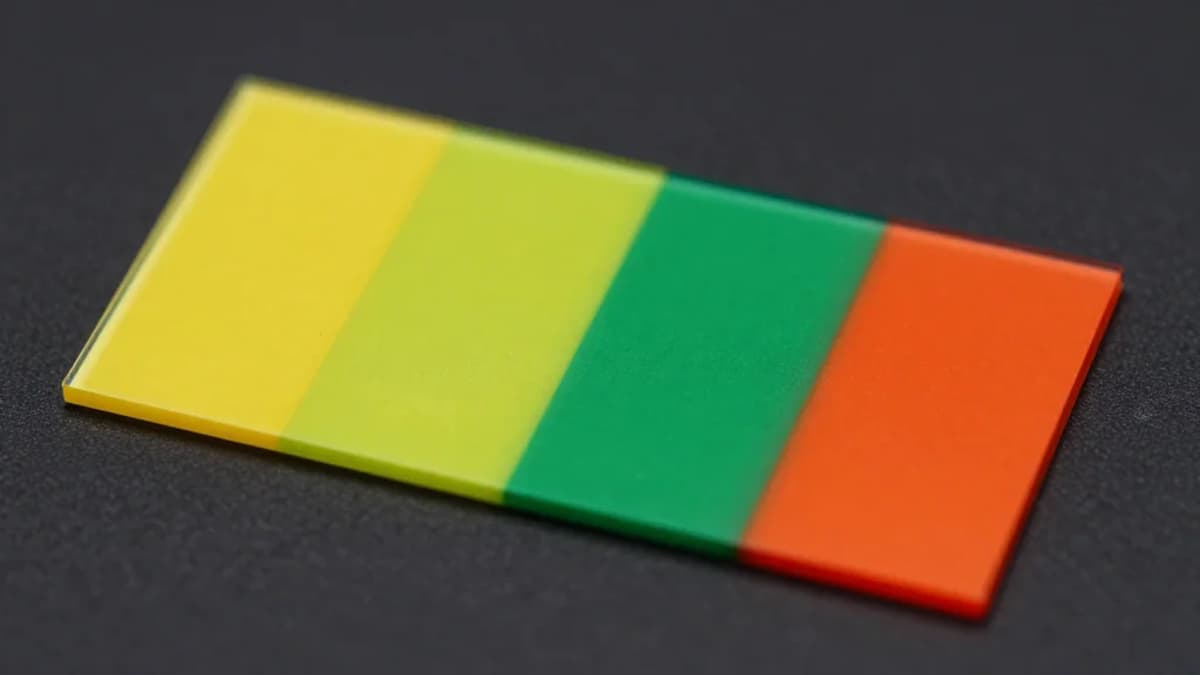
Controlled Preparation of Vanadium Pentoxide Films and Their Multicolor Electrochromic Properties
Researchers fabricated vanadium pentoxide (V2O5) films on indium tin oxide substrates using a simple electrophoretic deposition (EPD) process, precisely tuning voltage and deposition time. Optimal conditions—5 minutes at the identified voltage—yielded uniform films that display four distinct electrochromic colors: yellow, yellow‑green,...
By International Journal of Nanoscience
News•Feb 7, 2026
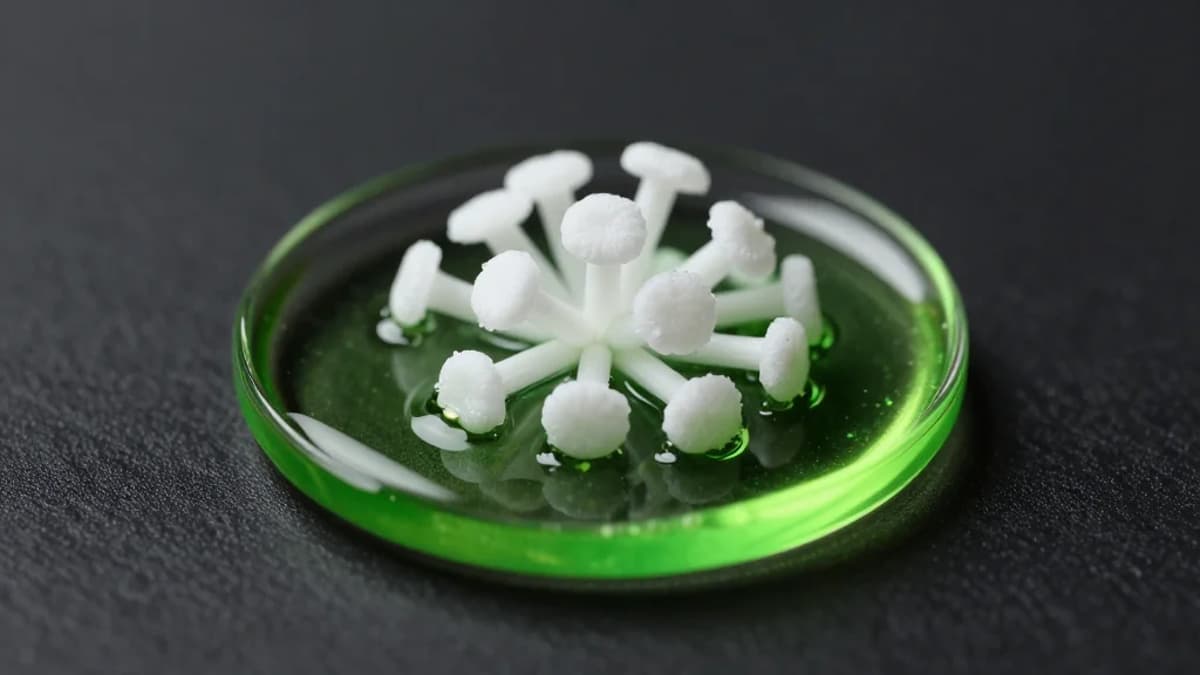
A Review On Morphology-Selective Biofabrication Of Zinc Oxide Nanostructures
The review outlines a green, cost‑effective route to synthesize zinc oxide nanoparticles (ZnONPs) using plant extracts or biomass as both reductants and stabilizers. By fine‑tuning pH, temperature and reaction time, researchers can direct the morphology of ZnONPs, producing nanorods, nanospheres,...
By International Journal of Nanoscience

News•Feb 6, 2026
Magnetoconductivity and Quantum Interaction Mechanisms in 2D SiGe Heterostructures
Researchers investigated magnetoconductivity in two‑dimensional p‑Si/SiGe heterostructures at temperatures between 0.3 K and 1.8 K. By applying weak‑localization and electron‑electron interaction frameworks in the diffusive regime, they confirmed theoretical predictions across the measured range. The study also revealed that magnetic‑field‑induced carrier interactions,...
By International Journal of Nanoscience
News•Jan 8, 2026
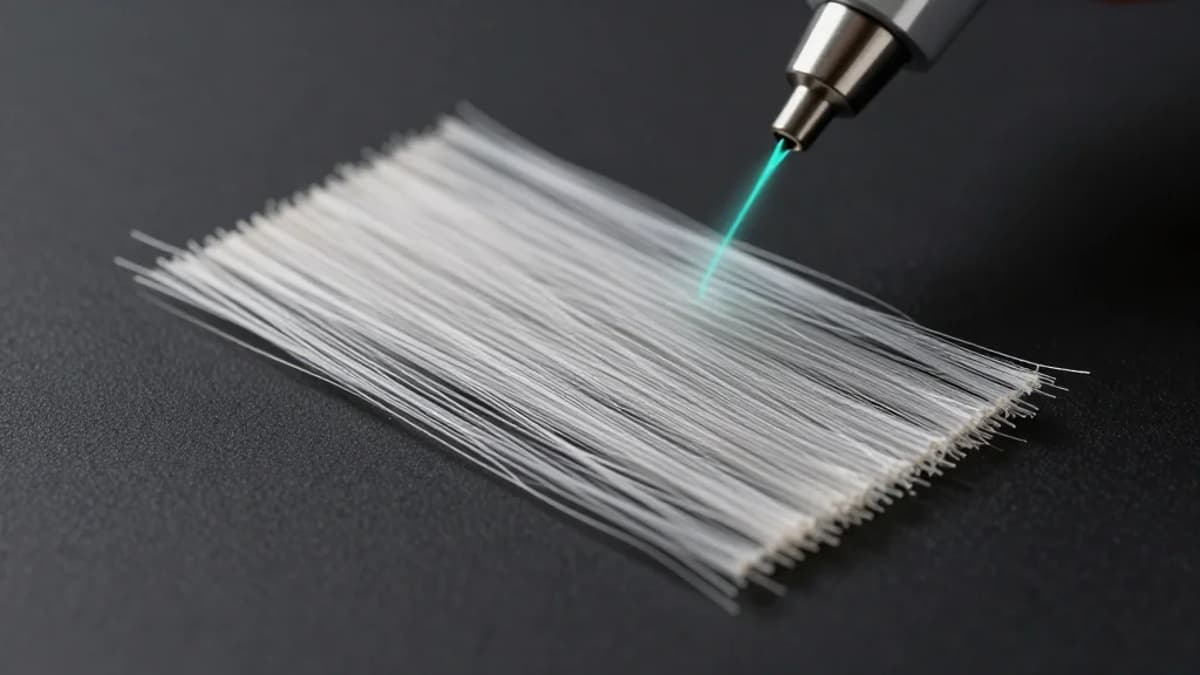
A Comprehensive Review on Electrospinning: Mechanisms, Functional Modifications and the Importance of Nanofiber Systems
The review by Oleiwi and Dalfi surveys recent progress in electrospinning, highlighting its ability to produce nanofibers with high aspect ratios, large surface areas, and porosity. It details persistent drawbacks such as limited mechanical strength, thermal instability, and constrained functionality....
By International Journal of Nanoscience