Closing the Gender Gap for Nairobi’s Public Transport
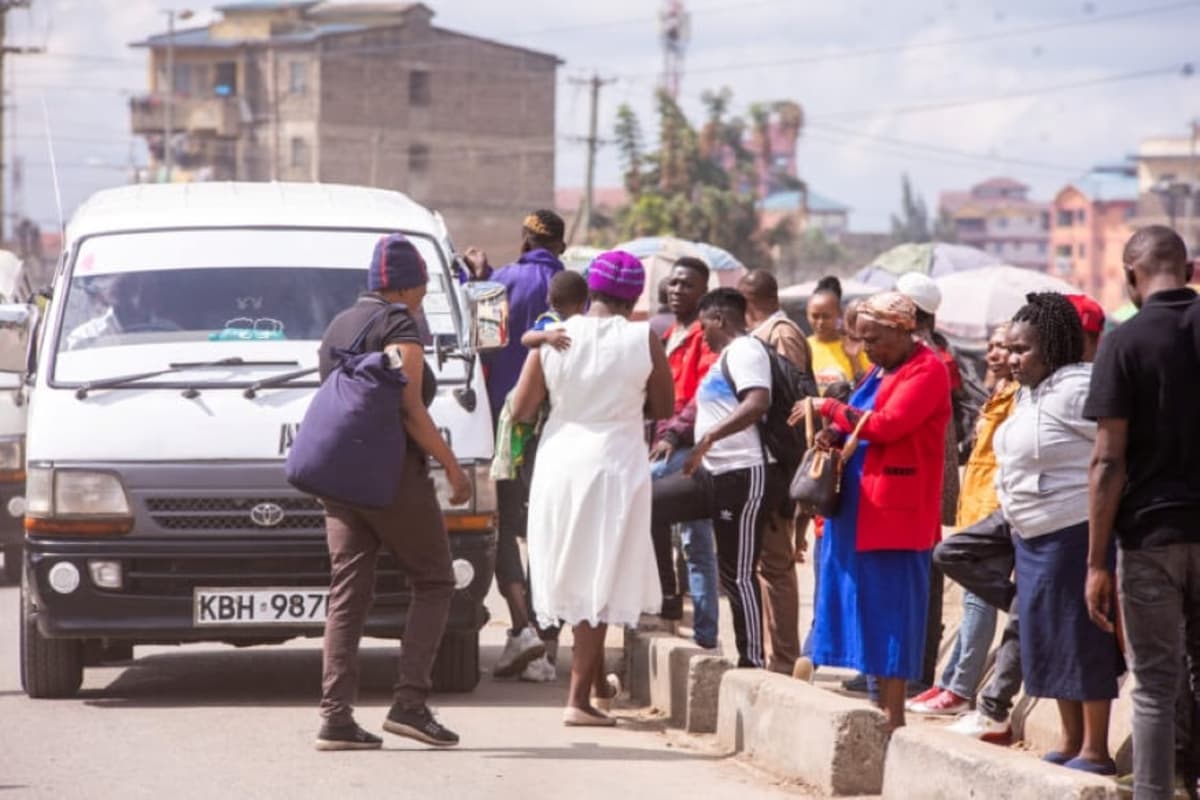
Transport is the lifeline of African cities, yet Nairobi’s system leaves women, caregivers and people with disabilities behind. The city’s reliance on walking, cycling and informal public transport masks a chronic lack of safe sidewalks, lighting and accessible vehicles. Women face heightened safety risks and limited capacity for traveling with children or goods. Closing these gaps is framed as essential for a sustainable, efficient and inclusive urban future.

Managing the Challenges of China’s E-Bike Boom
China’s e‑bike market is expanding at a breakneck pace, with sales surging over 30% annually and cities seeing millions of new two‑wheelers on streets. The rapid uptake has outstripped the development of parking infrastructure and clear regulations, leading to congestion...

How the Growth in Vehicle Size Impacts Our Climate, Health, and Economy
SUVs and other large passenger vehicles now account for 48% of global car sales, making them a rapidly expanding source of CO₂ emissions. A new report by the Institute for Transportation and Development Policy and UC Davis examines this trend across...

How Much Are Multilateral Development Banks Investing in Sustainable Transport?
Multilateral development banks (MDBs) have long financed transport infrastructure in low‑ and middle‑income countries, shaping how people and goods move. Recognizing transport’s heavy carbon footprint, MDBs pledged $175 billion in loans and grants for sustainable transport projects through 2022, a commitment...

As E-Buses Grow in Indonesia, Workforce Opportunities Must Grow Too
Indonesia is accelerating the deployment of electric buses to modernize urban transit and cut emissions, but the rollout is constrained by a sparse charging network and high vehicle costs. The shift to electric fleets creates a demand for workers skilled...

Making Bus Systems Safer for Women in Brazil and Beyond
On International Women’s Day, ITDP highlighted the pervasive gender‑based harassment women face on Brazil’s public transport, citing a Think Olga survey where 99.6% of women experienced harassment and 64% encountered it on buses, subways or trains. The organization calls for...
What Makes Good Public Transport? Three Qualities Every City Needs
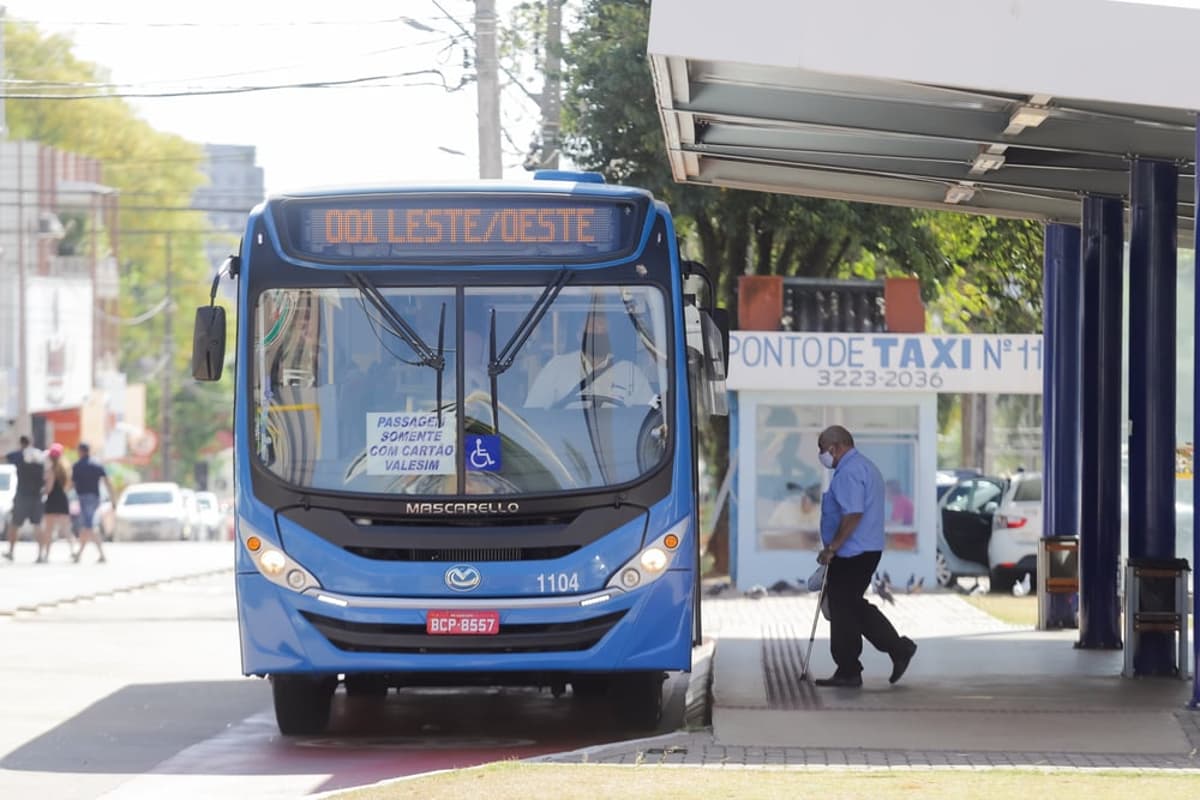
Public transport is a cornerstone of urban sustainability, and the Institute for Transportation and Development Policy (ITDP) outlines three essential qualities—Good Service, Zero Emissions, and Accessibility—that distinguish high‑performing systems. Reliable, clean, and inclusive transit not only moves people but also...

Egypt Prioritizes People-Centered Cities with National Active Mobility Strategy
The Egyptian government has unveiled the Egypt Active Mobility Strategy 2025‑2034, a national plan that puts walking and cycling at the core of urban transport planning. The framework targets chronic congestion, air‑pollution, and unsafe streets in Cairo, Alexandria and other...

Nominations Are Open for the 2027 Sustainable Transport Award
The Sustainable Transport Award (STA) has opened nominations for its 2027 cycle, inviting cities, regions, and transport agencies worldwide to showcase recent advances in mobility, street design, and policy. The award is administered by a committee of international experts who...