
News•Mar 10, 2026
5 Positive Ways to Say No
The article outlines five positive techniques for declining requests, emphasizing that saying no protects time, credibility, and relationships. It frames boundaries as a strategic asset rather than a personal rejection. Each step—starting with gratitude, being direct, offering brief reasons, suggesting alternatives, and ending warmly—provides a practical script for everyday interactions. Special sections address how to refuse tasks from managers without jeopardizing career standing.
By Leadership Freak

News•Mar 9, 2026
Goals Aren’t Finish Lines
The article argues that effective goals are habits, not distant finish lines, using a personal experiment of doubling stair trips to illustrate low‑friction goal setting. It introduces habit stacking—linking small, repeatable actions to existing routines—to create sustainable behavior change. A...
By Leadership Freak
News•Feb 18, 2026
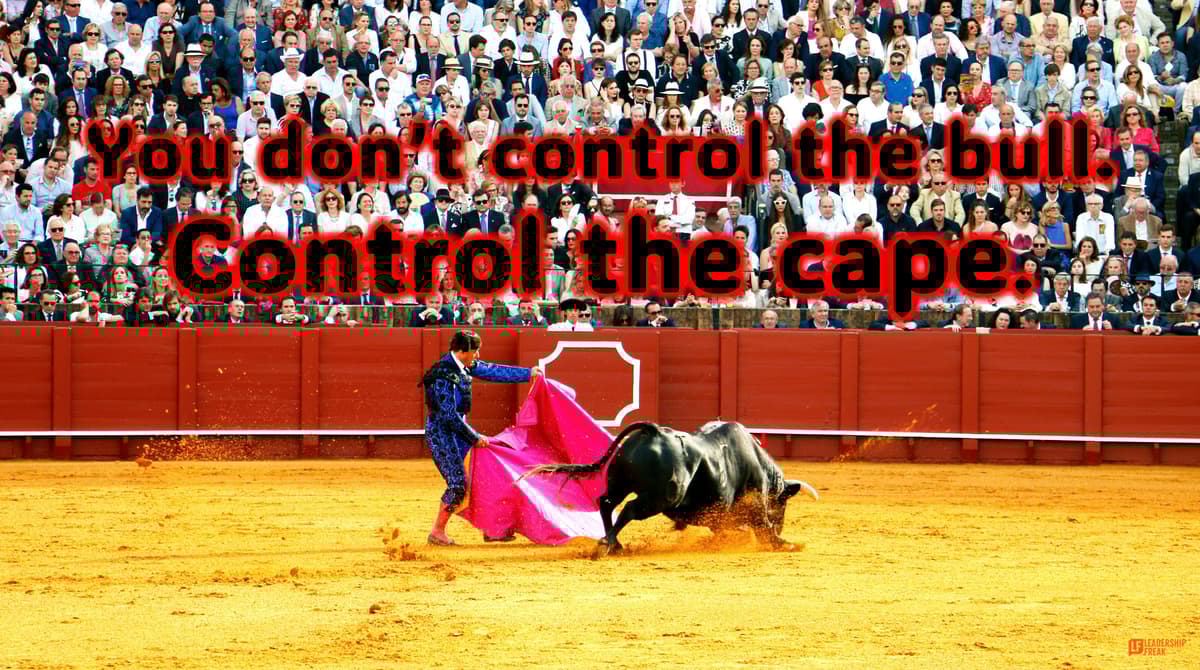
Control the Cape
The "Control the Cape" article uses a bullfighting metaphor to argue that leaders cannot command external forces such as politics, markets, or people, but they can master their own responses. It stresses shifting focus from futile control attempts to intentional...
By Leadership Freak

News•Feb 17, 2026
The Focus Most Get Wrong
The piece advises shifting focus from lofty outcomes to concrete daily actions. It uses the author’s stair‑climbing habit and a "friction audit" exercise to illustrate how micro‑behaviors drive progress. Long‑term goals are presented as directional guides, while consistent rituals translate...
By Leadership Freak
News•Feb 13, 2026
Character Before Skill
The article argues that leadership character, not skill, determines long‑term success. It outlines seven core virtues—integrity, courage, humility, responsibility, self‑control, care for people, and reliability—as the foundation of effective leaders. It advises hiring teams to probe moral fiber through interview...
By Leadership Freak
News•Feb 12, 2026
10 Tactics of Obnoxious Leaders
The article outlines ten hallmark tactics used by obnoxious leaders, from obsessing over short‑term results to withholding gratitude and demanding respect without earning it. It argues that such behavior stems from self‑deception and a belief that problems lie with people...
By Leadership Freak

News•Feb 11, 2026
Credibility Gives You A Voice
The article outlines seven practices that leaders can adopt to build credibility and amplify their influence. It emphasizes quiet, backstage work such as processing emotions, avoiding outbursts, focusing on ideas, analyzing success, growing personal capability, investigating issues before speaking, and...
By Leadership Freak

News•Feb 10, 2026
5 Ways to Redefine Meetings
The article challenges the status quo of traditional meetings, labeling many as unproductive "zombie" or "black‑hole" sessions. It proposes five new definitions that view meetings as platforms for expanding team intelligence, multiplying results, and fostering diverse perspectives. Concrete rules—such as...
By Leadership Freak

News•Feb 6, 2026
The “Call Five People” Rule
The article introduces the “Call Five People” rule, a ten‑minute practice where leaders discuss a problem with five diverse contacts to break isolation. It outlines specific questions to surface blind spots and lists scenarios—stalled decisions, crossroads, high‑stakes moments—where the rule...
By Leadership Freak